
Check the acquisition promise
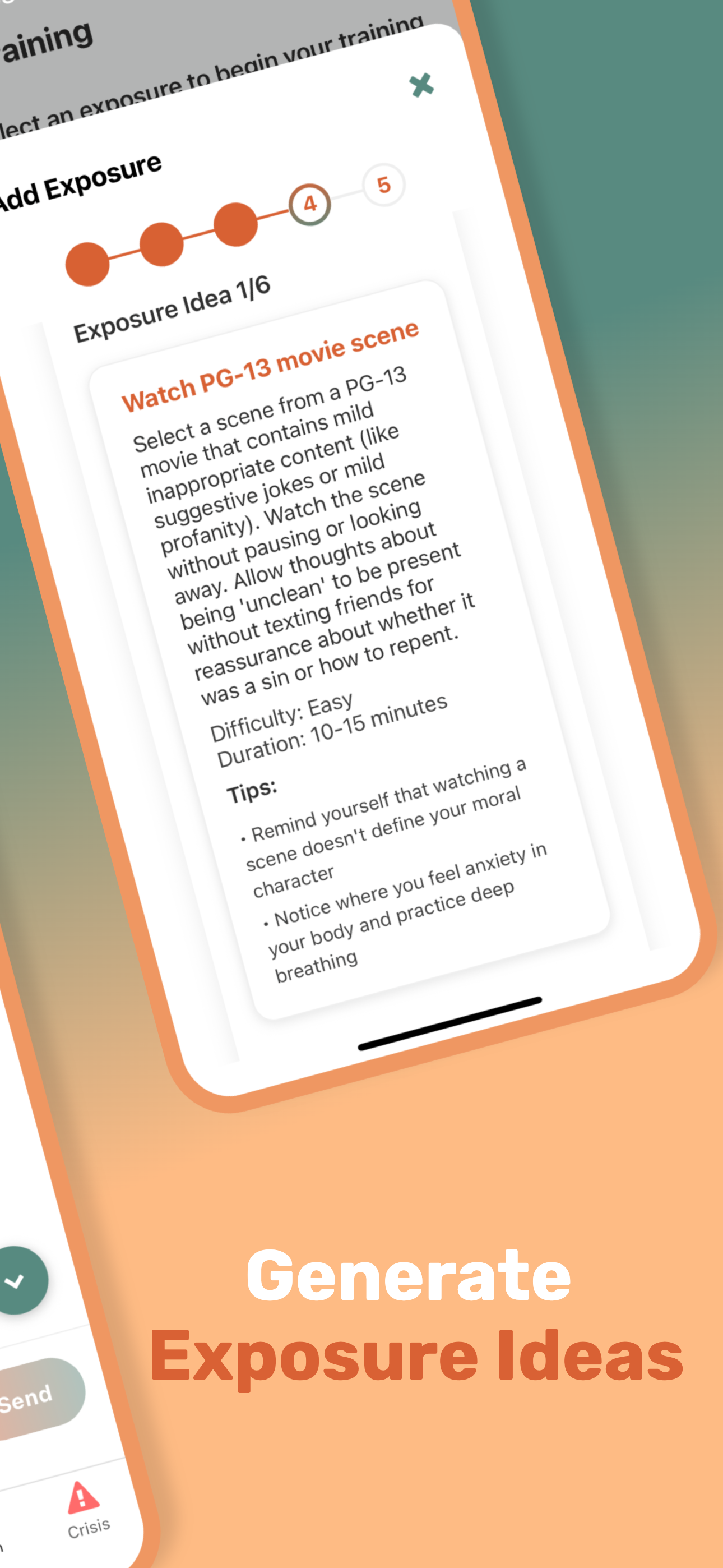
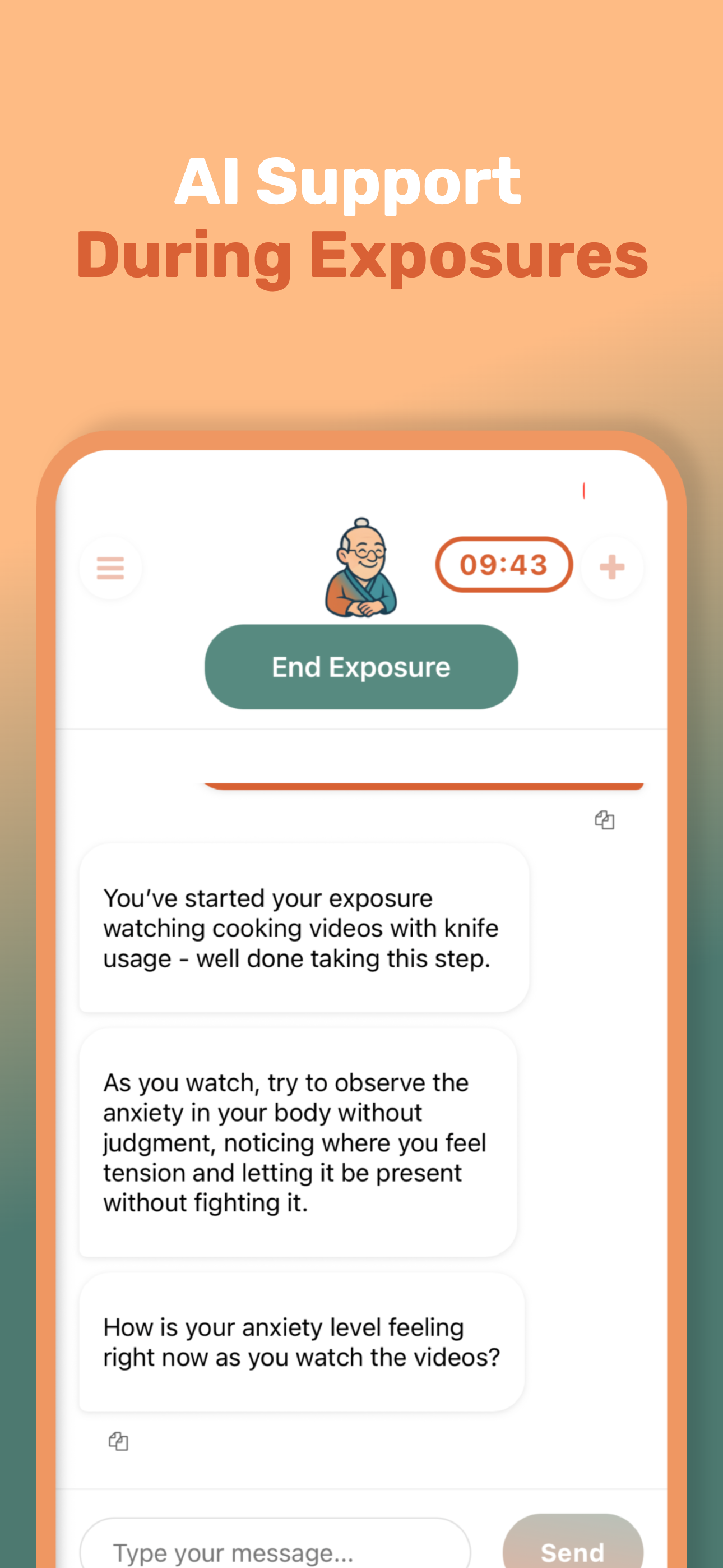
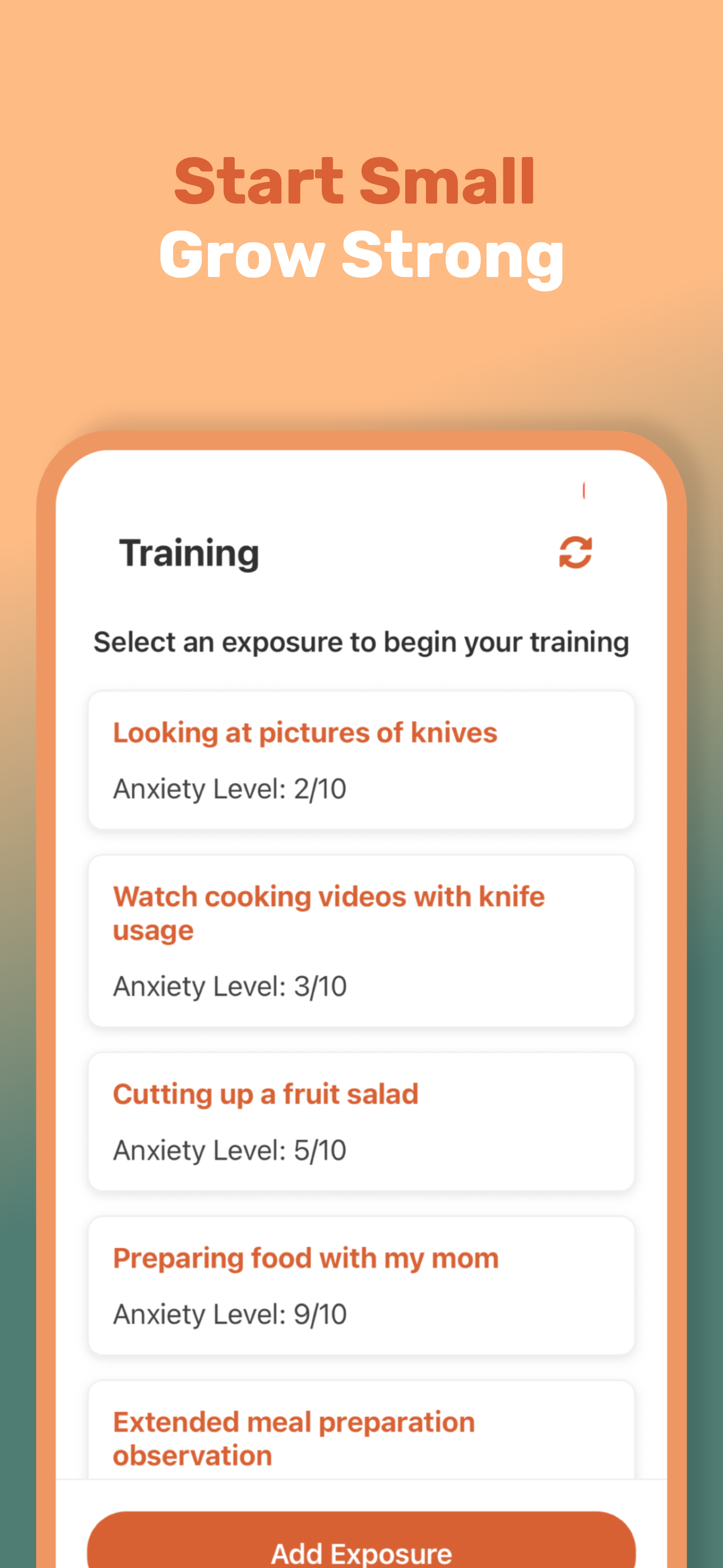
Read the store headline, screenshots and description. What problem is the app promising to solve?
Study the storefront ↗
OCD SensAI LLC · iOS
Explore the ad evidence, study the storefront, and build your next acquisition hypothesis.
01 / Creative research
Read the store headline, screenshots and description. What problem is the app promising to solve?
Study the storefront ↗Explore apps with direct store-link matches. Compare their hooks and formats without assuming the same approach works here.
Browse observed advertisers ↗Store rankings and revenue estimates describe market context. They do not establish ad spend, conversions or ROAS.
Review the market context ↗02 / Storefront & product
Study the product story and store experience behind the acquisition funnel.





03 / Market context
Keep revenue, downloads and store rankings separate from advertising performance.
What I like most is the structure: I can create exposure exercises, log how I feel, and then see my progress over time in clear graphs and charts for each theme I’m working on. The journaling and saved conversations are great for noticing patterns and bringing specific examples back to therapy. The new therapist‑linking features are also promising. My therapist can see my assessments and homework, which makes our sessions more focused and grounded in what actually happened between visits. It’s important to remember this isn’t a replacement for a licensed clinician, and I’d still like to see even clearer info on privacy and accessibility inside the app. But overall, if you’re working on OCD or OCD‑like anxiety and want a structured way to practice ERP every day, this is one of the best tools I’ve found so far.
It doesn’t replace therapy, but therapy is expensive and not available on the fly. This seems like a great supplement to therapy that is available on your phone in your pocket 24/7. So you can work through an OCD episode when it happens. It also seems like a good way to log episodes, triggers and responses, so you remember to discuss those specifics with your therapist at your next visit. The app is well designed, intuitive, and non-judgmental. The resource and reference section for further learning about OCD is also helpful.
What makes OCD SensAI stand out from regular AI chat tools like ChatGPT is that it knows what you don’t know. When you’re struggling with OCD, you often don’t even know what questions to ask or what step comes next in your healing journey. This app guides you through a proven framework and helpful resources, so you don’t have to figure it all out on your own. It saves your progress so you can come back and see where you left off. One of my favorite parts is how visually organized it is. You can actually see your progress in graphs and charts for each anxiety theme you’re working on. It saves your journaling and conversations so you can track your growth and understand where you’re improving. It’s not just another AI chat bot. It’s an interactive OCD therapy journal that can be used individually or along with a therapist for a structured ERP approach designed to support real progress and healing. Even for a therapist it would be difficult to create this type of structure to truly help someone with OCD make significant progress. This app enables such structure for both individuals and therapists. If you live with OCD or are working on recovery, definitely give it a try. It’s like having a gentle, intelligent companion for your mind.
OCD SensAI is your personal companion for managing OCD through daily practice, structure, and encouragement. Research-backed and built on evidence-bas...
| Name | Price | Type |
|---|---|---|
| Unlimited Access (Monthly) | $19.99 | Monthly |
| Unlimited Access (Annual) | $119.99 | Yearly |


