
Check the acquisition promise
Read the store headline, screenshots and description. What problem is the app promising to solve?
Study the storefront ↗
University of Wollongong · iOS
Explore the ad evidence, study the storefront, and build your next acquisition hypothesis.
01 / Creative research
Read the store headline, screenshots and description. What problem is the app promising to solve?
Study the storefront ↗Explore apps with direct store-link matches. Compare their hooks and formats without assuming the same approach works here.
Browse observed advertisers ↗Store rankings and revenue estimates describe market context. They do not establish ad spend, conversions or ROAS.
Review the market context ↗02 / Storefront & product
Study the product story and store experience behind the acquisition funnel.
03 / Market context
Keep revenue, downloads and store rankings separate from advertising performance.
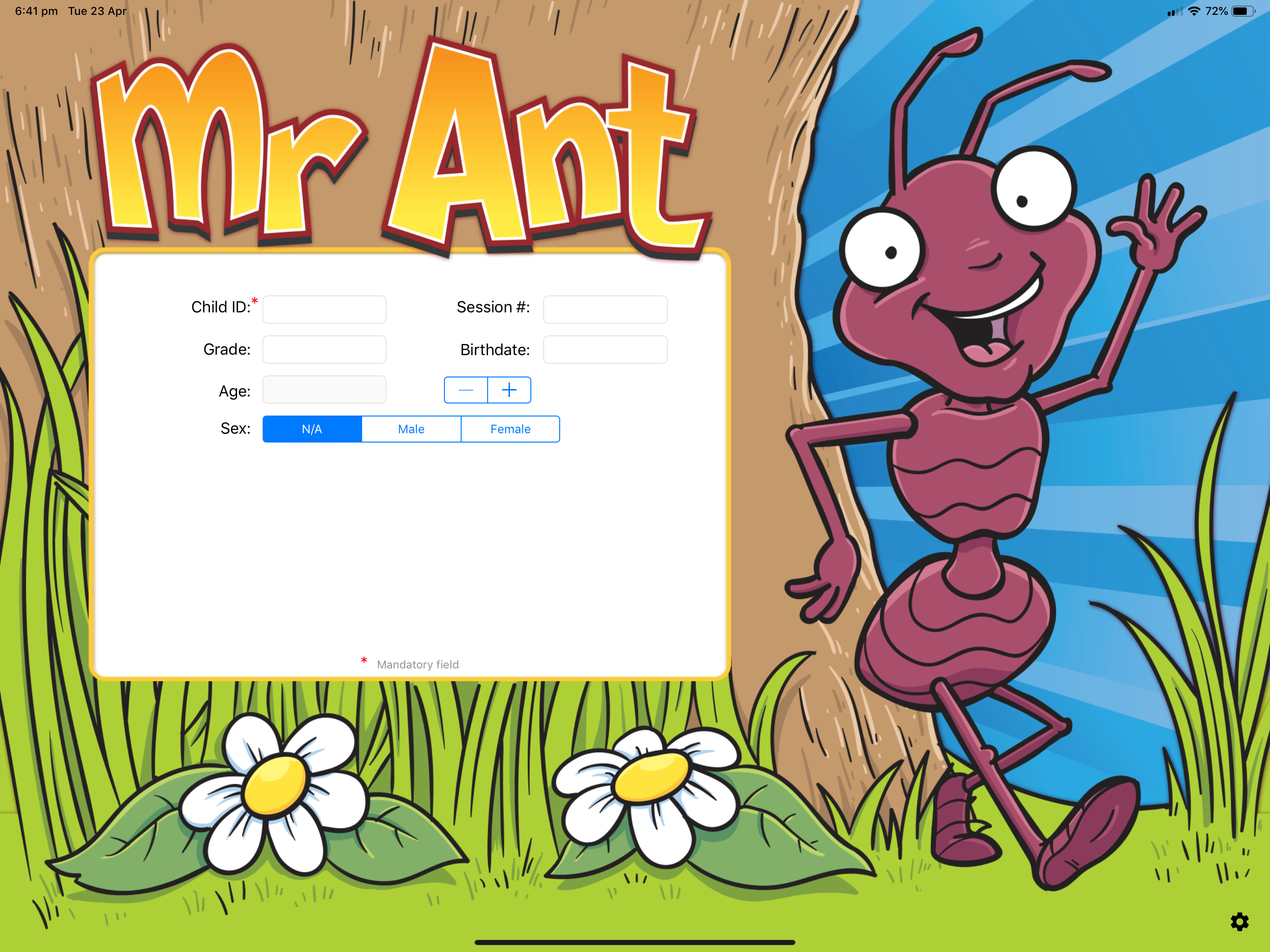
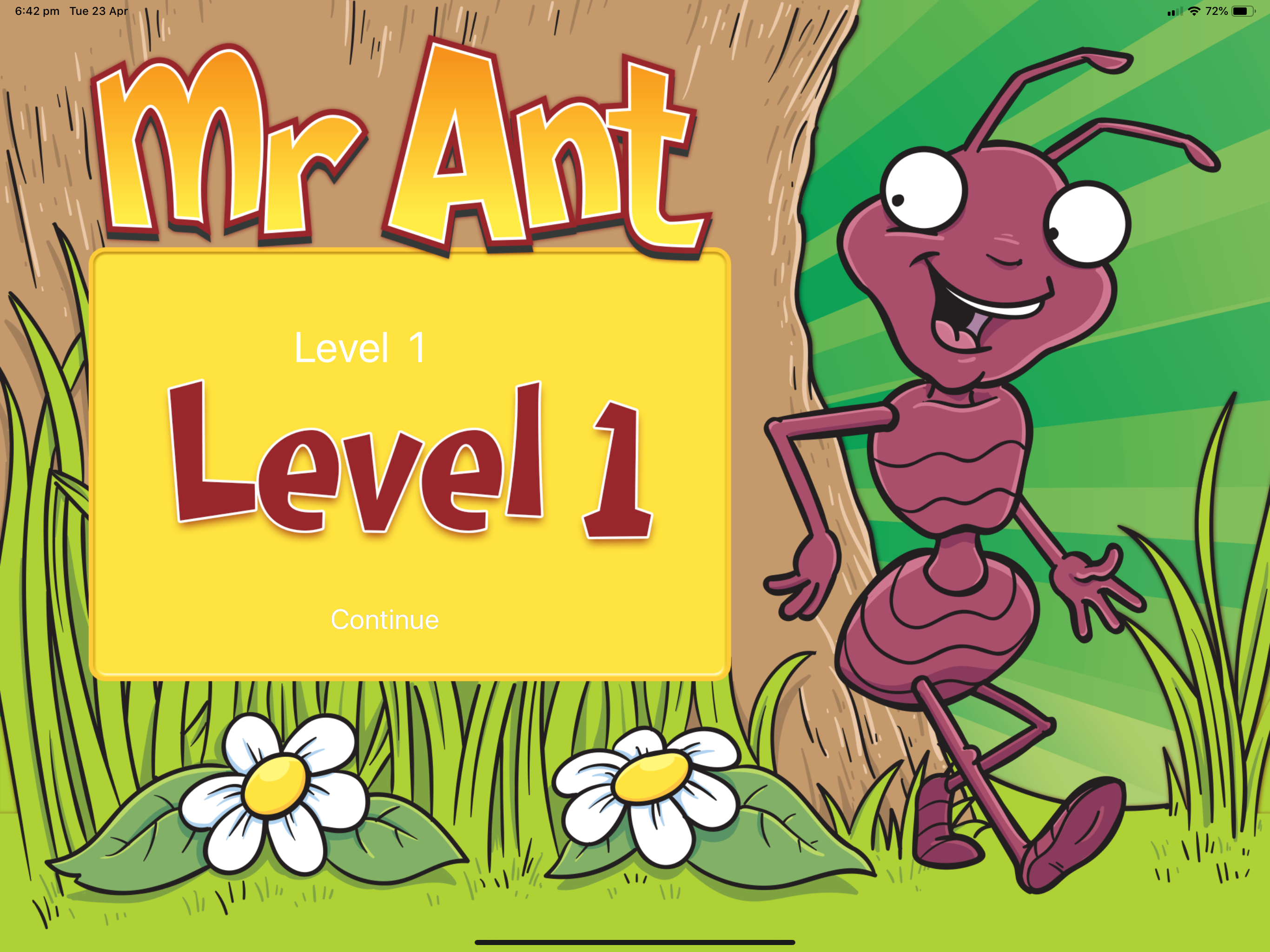
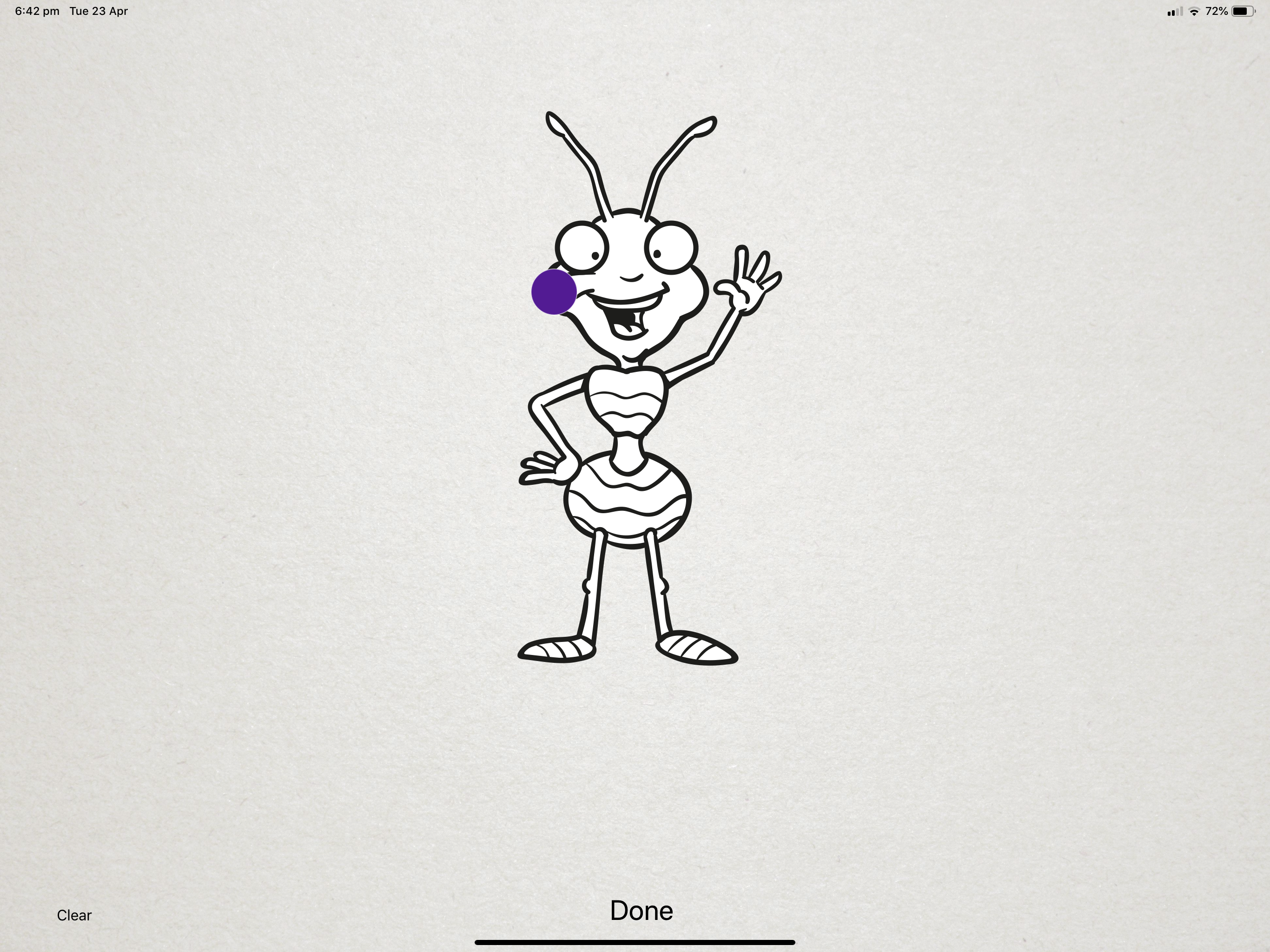
I downloaded Mr. Ant and other apps from this developer, and each one was friendly but low-key and progressed at a reasonable pace. Data is available, and it was interesting to observe the children attempting the activities. I noticed some subtle strengths and weaknesses I hadn't spotted in the mayhem of the usual day. In Mr. Ant, the student is presented with the Mr. Ant character with a spot of color placed on its body. The ant disappears, followed by a brief interval, reappears, and then the child is asked to tap the ant where the spot was previously located. Gradually, a second dot is placed on its body, then a third, etc. Nicely done!
Early Years Toolbox (EYT) Mr. Ant is an iPad-based assessment of children's working memory (i.e., the amount of visual information that they can concu...


