Check the acquisition promise
Read the store headline, screenshots and description. What problem is the app promising to solve?
Study the storefront ↗
Timo Du Four · iOS
Explore the ad evidence, study the storefront, and build your next acquisition hypothesis.
01 / Creative research
Read the store headline, screenshots and description. What problem is the app promising to solve?
Study the storefront ↗Explore apps with direct store-link matches. Compare their hooks and formats without assuming the same approach works here.
Browse observed advertisers ↗Store rankings and revenue estimates describe market context. They do not establish ad spend, conversions or ROAS.
Review the market context ↗02 / Storefront & product
Study the product story and store experience behind the acquisition funnel.



03 / Market context
Keep revenue, downloads and store rankings separate from advertising performance.
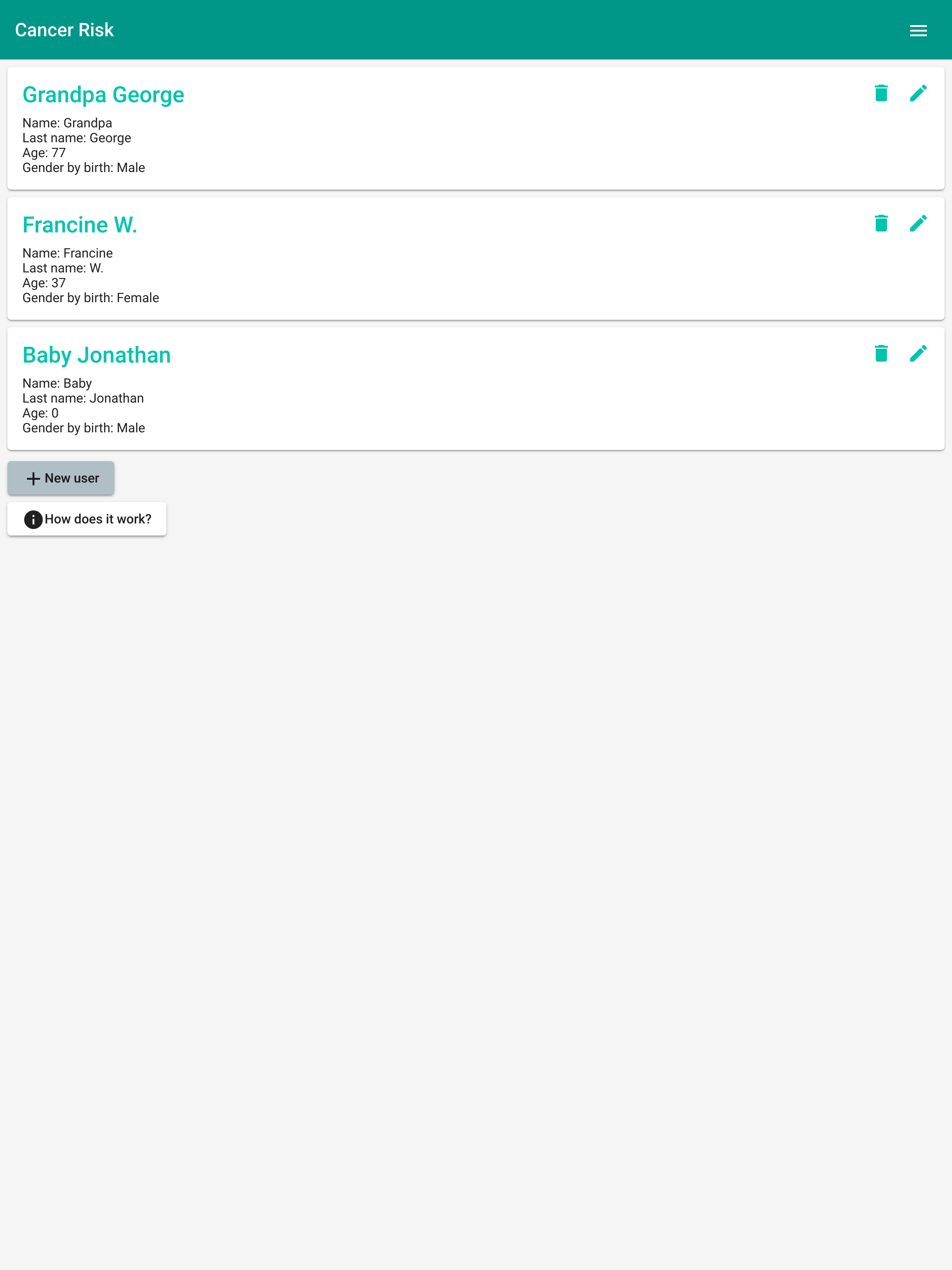
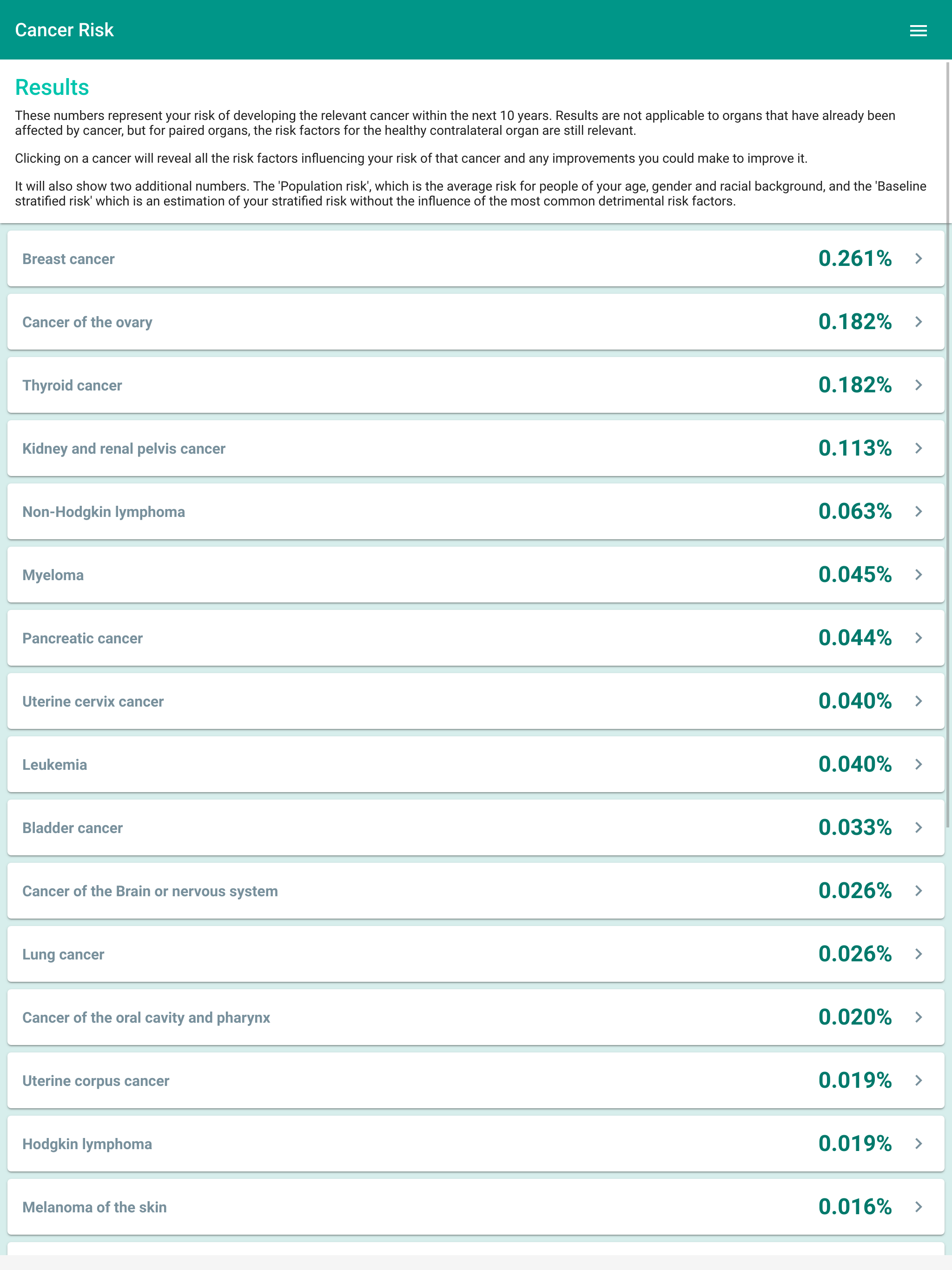
I found this app when the developer posted it in the /medicine subreddit on Reddit. It got thoroughly panned there by other docs for the methodology used, which seems to give quite inaccurate results. Still, I tried it out myself. I was surprised to see my breast cancer risk as lower than the general population, since I have several family members with histories of breast cancer. Same for cervical cancer, which I should be at higher risk for, given my HPV+ status and history of cervical dysplasia. Then I realized the app did not ask for HPV status or results of Pap smear tests - seems odd to offer a risk analysis of cervical cancer and not include those. Overall, just doesn’t seem trustworthy. I would not encourage anyone to make healthcare decisions based on this app.
This is one of the most informative and easy-to-use apps I’ve ever used. The information provided on risk factors is easily digestible. The way it is designed for you to check off risk factors is easy to use and thorough.
Now when we think “Hey, this hurts, it’s probably cancer” we can quantify it with an actual percentage! Really excellent source of information/motivation.
This application estimates your risk of cancer, subdivided into 26 types and based on 350 different risk factors described in the scientific literatur...