Check the acquisition promise
Read the store headline, screenshots and description. What problem is the app promising to solve?
Study the storefront ↗
Martin Knopf · iOS
Explore the ad evidence, study the storefront, and build your next acquisition hypothesis.
01 / Creative research
Read the store headline, screenshots and description. What problem is the app promising to solve?
Study the storefront ↗Explore apps with direct store-link matches. Compare their hooks and formats without assuming the same approach works here.
Browse observed advertisers ↗Store rankings and revenue estimates describe market context. They do not establish ad spend, conversions or ROAS.
Review the market context ↗02 / Storefront & product
Study the product story and store experience behind the acquisition funnel.
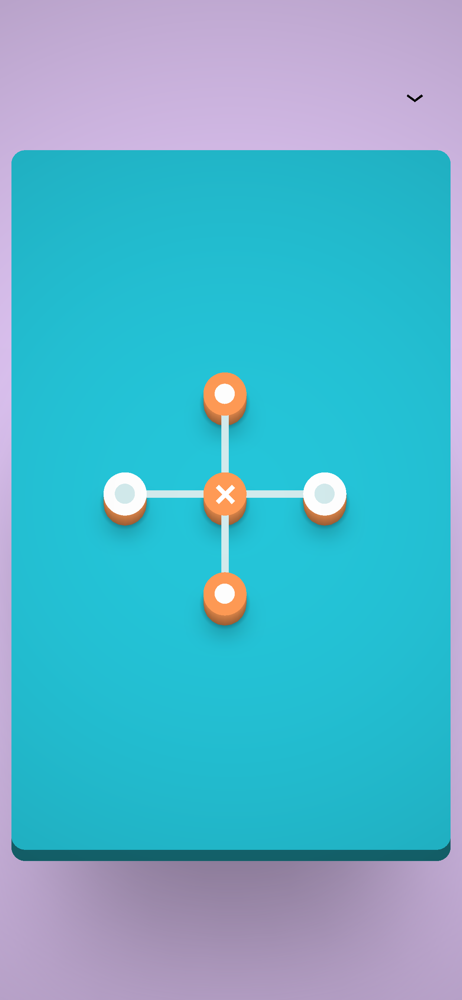


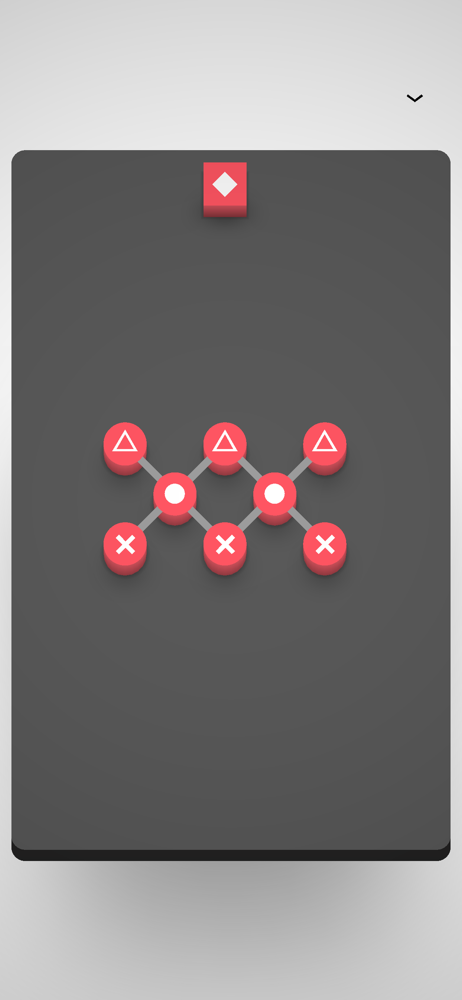
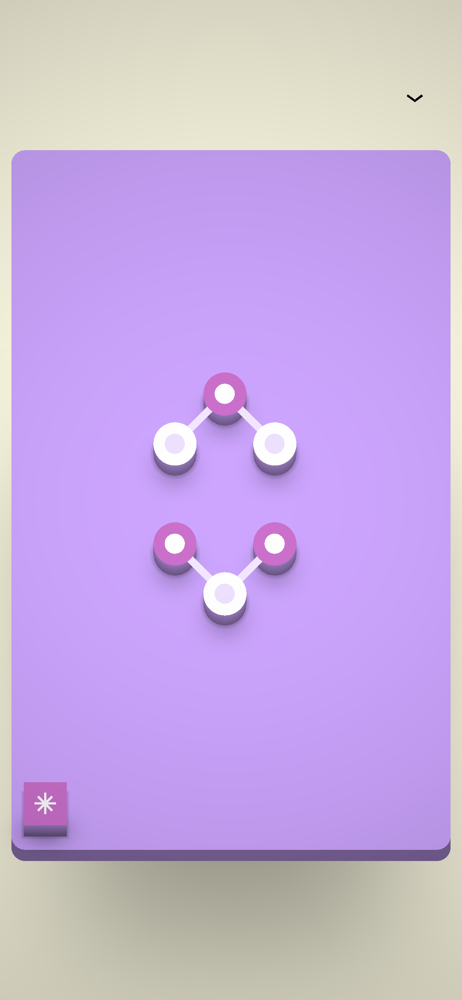
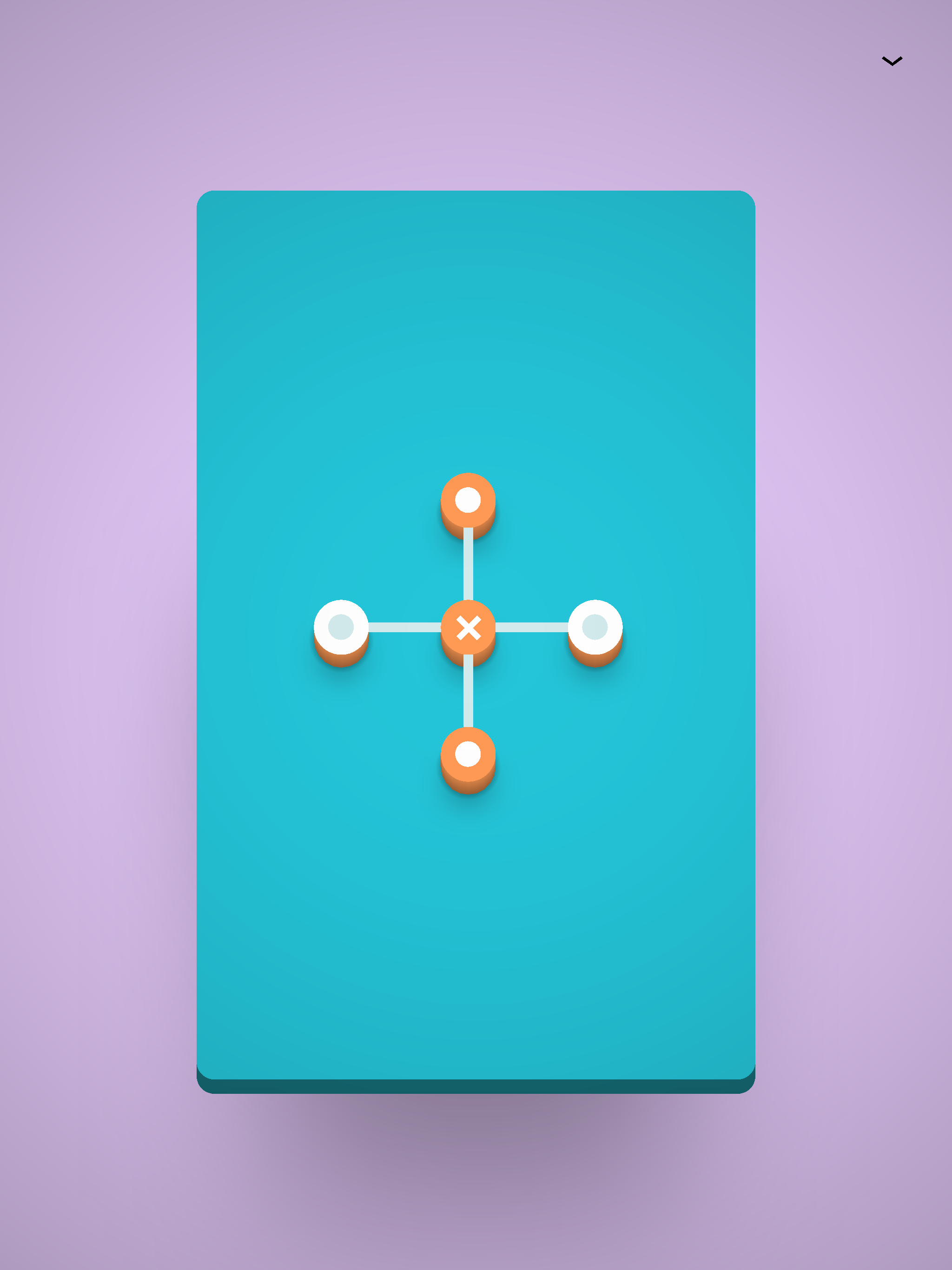

03 / Market context
Keep revenue, downloads and store rankings separate from advertising performance.
The solutions aren’t really clever or interesting, most of the game is tapping random stuff and hoping you stumble into the solution. A good puzzle should have a have a simple solution that when you see makes you go “oh that’s smart,” and the process of solving it should be centralized around a catch. But you don’t get many “wow that was clever” moments like that here, and the level design feels like not much effort went into it. Each level should have its own interesting idea to contribute, and solving each puzzle should be the player’s way of exploring those ideas. Of the few “Ah-ha!” moments this game has to offer, most of them feel as if they weren’t planned by the level designer, and the way you solve a level depends completely on how you decide to try it. When there are a countless number of ways to complete each puzzle, how can any levels be thought out fully? So although there are some moments of actual problem solving here, overall it’s not great. If you’re looking to tap random buttons, this is for you. If you’re looking for some real puzzles check out the witness... Three stars because I understand making puzzle games can be very difficult. And as a puzzle game maker I’ve made games that had similar issues. Keep trying!
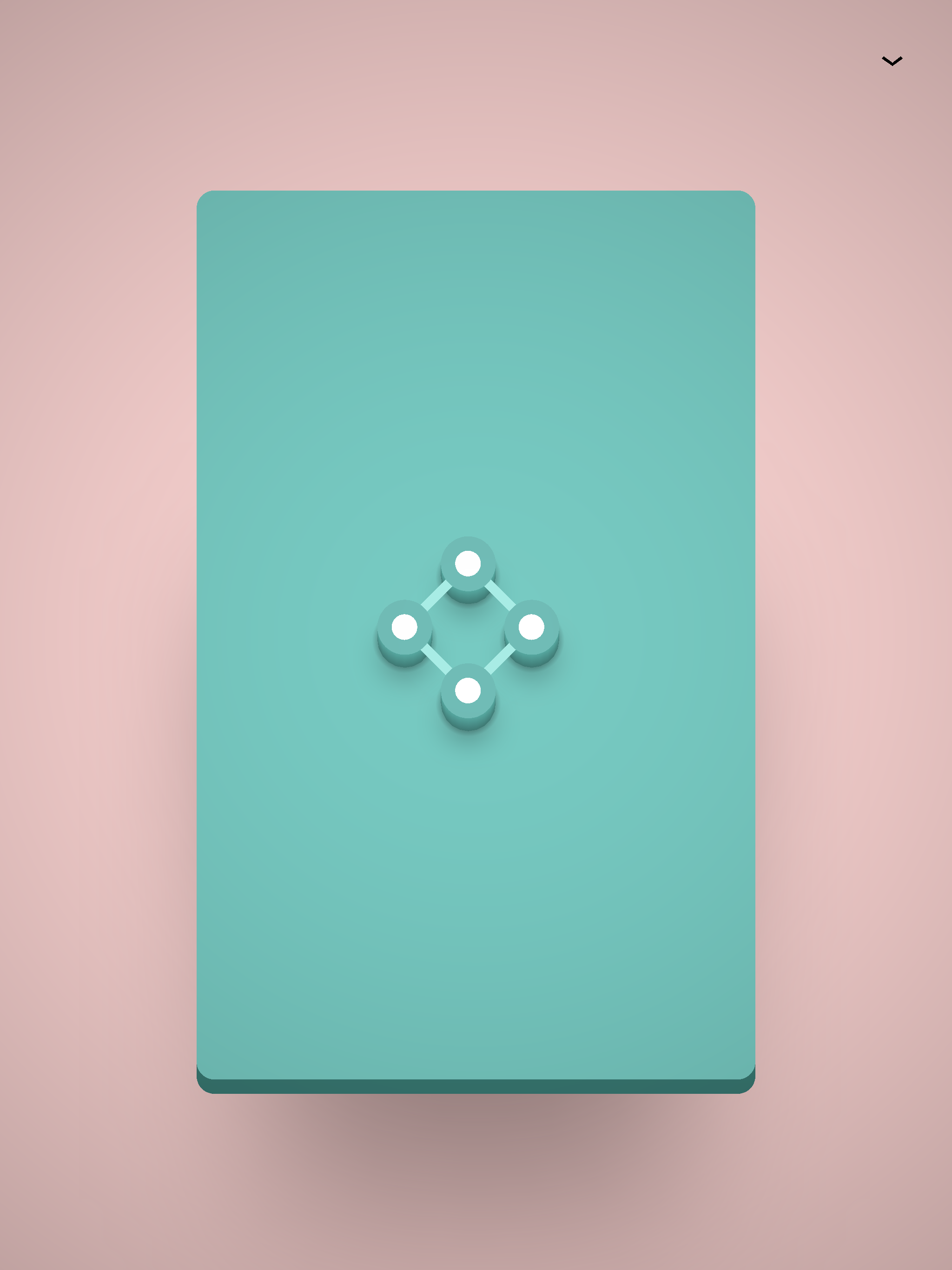
Though not an original type, the puzzle is fine. What bothers me (being a designer/artist) is the box on top of the background. It’s unnecessary. This is a minimalist design that focuses on the buttons. The extra box of a different color that sits on the background which, I suppose is meant to be decorative, isn’t. It’s only a visual distraction. Other than that, if you like this puzzle type, this one is an adequate form of it.
In love with the simplicity that this game has and the look it sports. The puzzles are as simple as tap to light up the pegs, but as all puzzle game works, the difficulty escalates to where you have to think about each action you make. Something I noticed while playing is that with this game isn’t about how its made, its pretty well made, but just the design of the game makes it really easy to accidentally complete levels or just trial and error until you complete a level, which kind of takes away some fun, but is just a niche nitpick overall. Otherwise I would totally recommend this game.
VMOD is a puzzle game about side-effects. Tap buttons to activate them. Figure out how the different buttons manipulate each other. | Excerpt from th...