Check the acquisition promise
Read the store headline, screenshots and description. What problem is the app promising to solve?
Study the storefront ↗
Tigran Mkhitaryan · iOS
Explore the ad evidence, study the storefront, and build your next acquisition hypothesis.
01 / Creative research
Read the store headline, screenshots and description. What problem is the app promising to solve?
Study the storefront ↗Explore apps with direct store-link matches. Compare their hooks and formats without assuming the same approach works here.
Browse observed advertisers ↗Store rankings and revenue estimates describe market context. They do not establish ad spend, conversions or ROAS.
Review the market context ↗02 / Storefront & product
Study the product story and store experience behind the acquisition funnel.
03 / Market context
Keep revenue, downloads and store rankings separate from advertising performance.
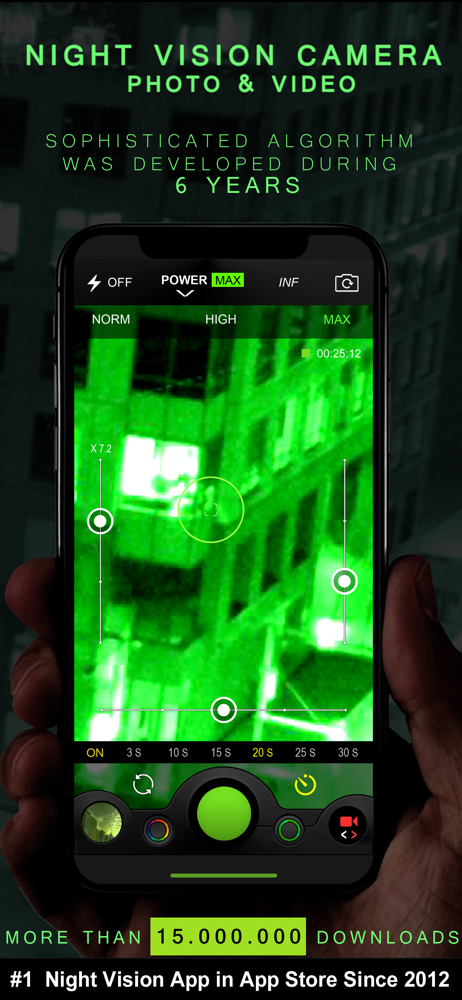
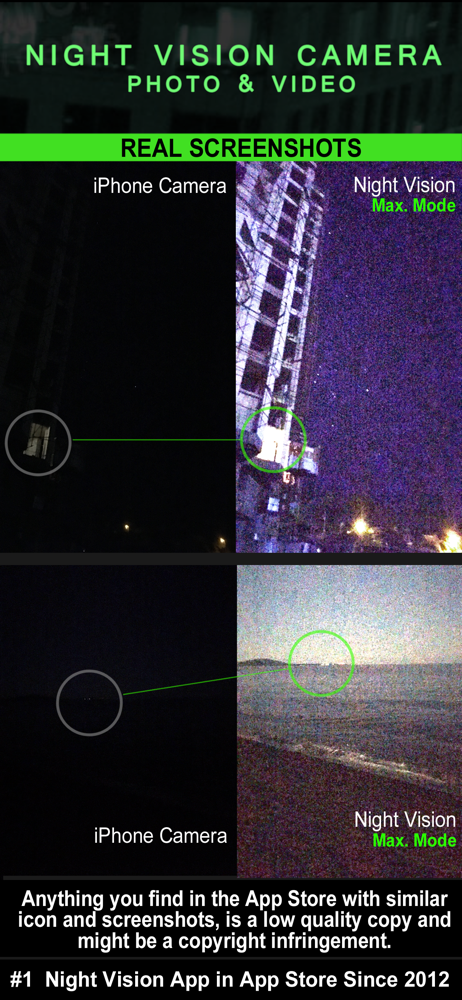
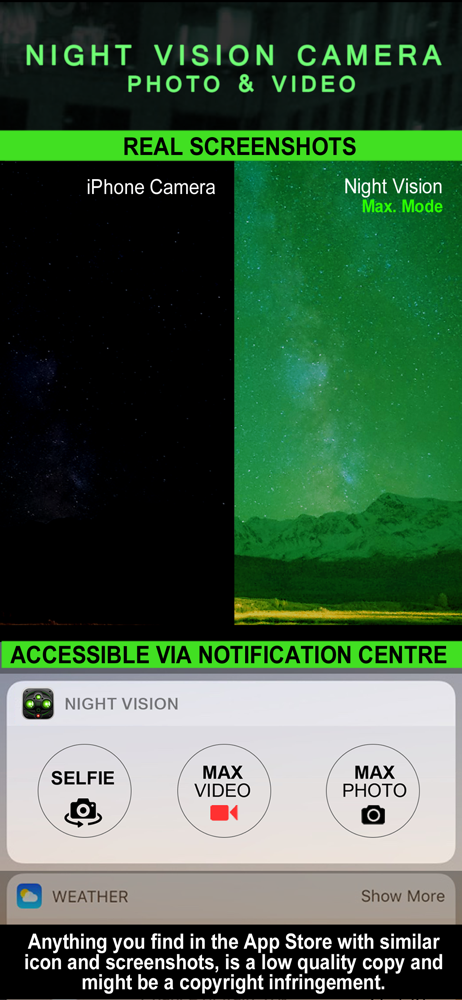
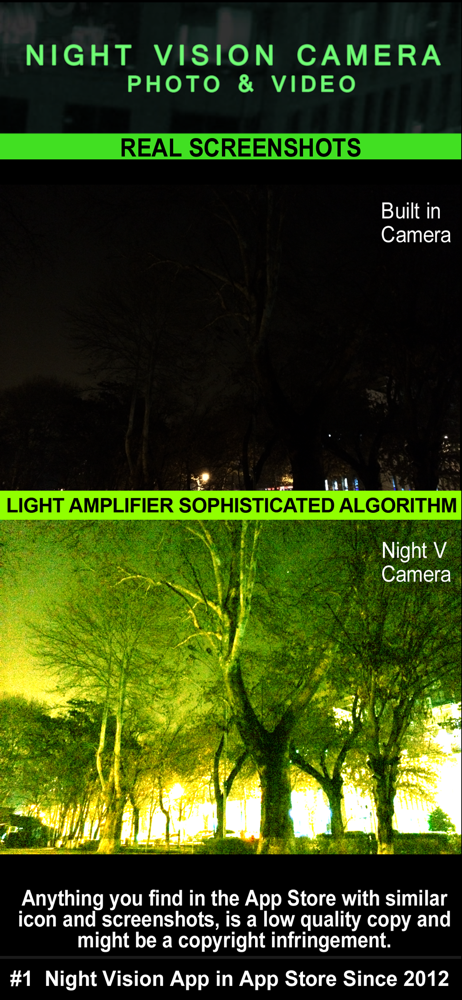
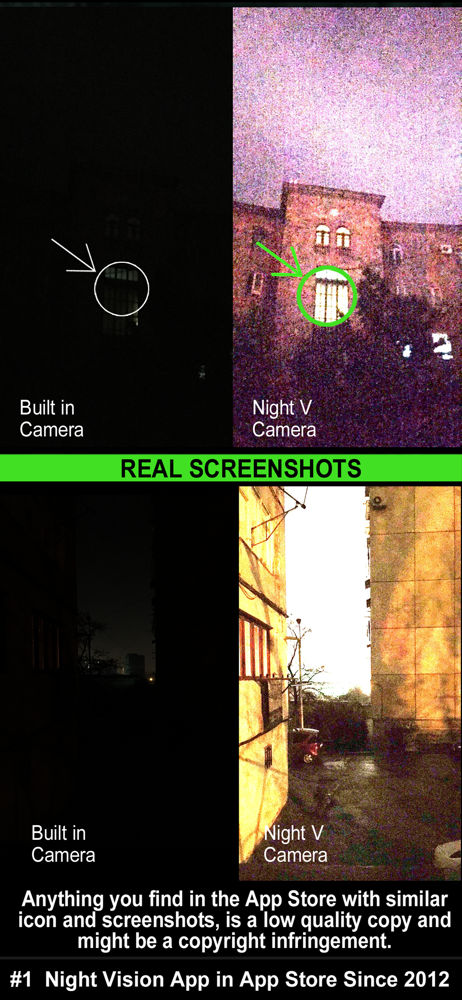
Call this app what you will - "Night Vision" does not use traditional technology such as a light amplification tube, however this app does in fact amplify the iPhone camera's sensitivity to light and does it better than any other app I've ever used. Perfect for extreme lowlight street photography. Would even work quite well in a movie theater or moonlit forest. The photo processing algorithm is excellent leaving you with usable and relatively low noise in your image. what a great app!
Those who are just seeing a black screen aren't taking the time to learn how to use it. The idea that all of the positive reviewers were paid is just absurd - this is a $2 app, people. Of course it's not IR, and it's not claiming to be. The picture is enhanced digitally, so you do need at least a little bit of light - enough for your eyes to see with, and maybe a smidgen more. Yes, it's grainy - but it's a *cool* kind of grainy, because it really is actual, functional low-light vision, giving you a dramatic amount of detail where the regular camera would only yield a blank screen. It's bloody well amazing, and I couldn't recommend it more highly.
The theory about how it works makes some sense. Use the camera lens at its widest aperture to gather as much light as possible and "see" an enhanced view of the surroundings, as compared to naked eyes. The problem is that your device certainly is not equipped with the hardware to do this job effectively. Consumer cameras (and phones/tablets) are generally not equipped with the type of monster lens that would be required to squeeze some light out of what your eyes would perceive as darkness. That's why they come with flashes. Don't think for a minute that some obscure app will turn your tablet into a military-grade set of night vision goggles. Two things will happen: (1) you'll find yourself staring at a dark screen and (2) you'll close the app and turn the iPad around and use the display as a lighting device.
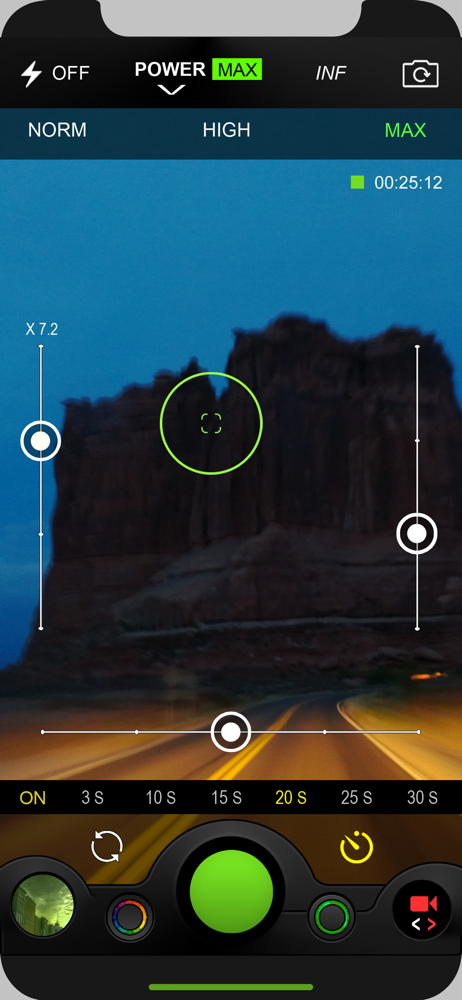
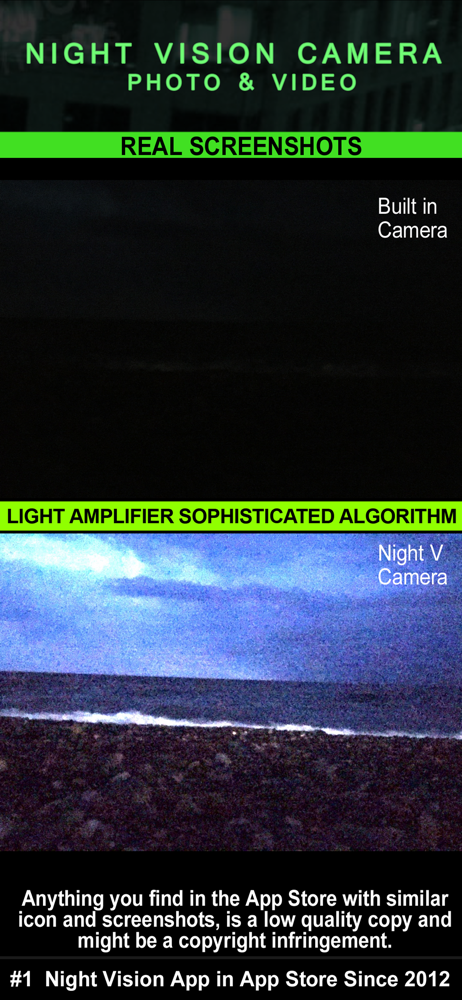
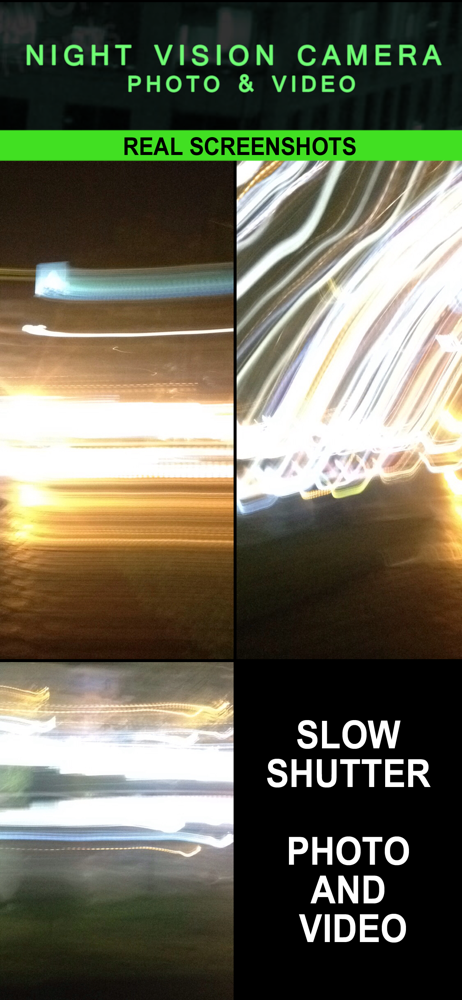
The application takes real pictures and videos at the lowest luminosity without any additional appliances on iPhone. Sophisticated algorithm was devel...
| Name | Price | Type |
|---|---|---|
| Maximal Amplification | $2.99 | One-time |