Check the acquisition promise
Read the store headline, screenshots and description. What problem is the app promising to solve?
Study the storefront ↗
Tactus Therapy Solutions Ltd. · iOS
Explore the ad evidence, study the storefront, and build your next acquisition hypothesis.
01 / Creative research
Read the store headline, screenshots and description. What problem is the app promising to solve?
Study the storefront ↗Explore apps with direct store-link matches. Compare their hooks and formats without assuming the same approach works here.
Browse observed advertisers ↗Store rankings and revenue estimates describe market context. They do not establish ad spend, conversions or ROAS.
Review the market context ↗02 / Storefront & product
Study the product story and store experience behind the acquisition funnel.



03 / Market context
Keep revenue, downloads and store rankings separate from advertising performance.
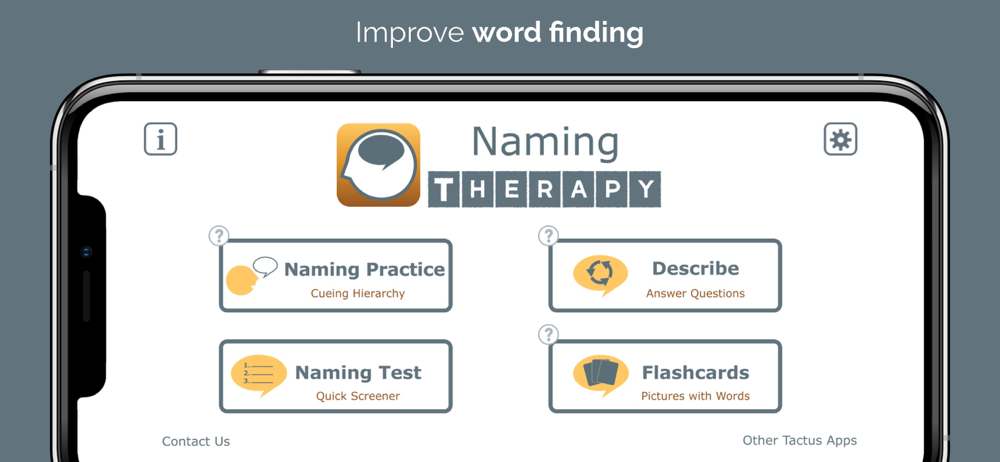
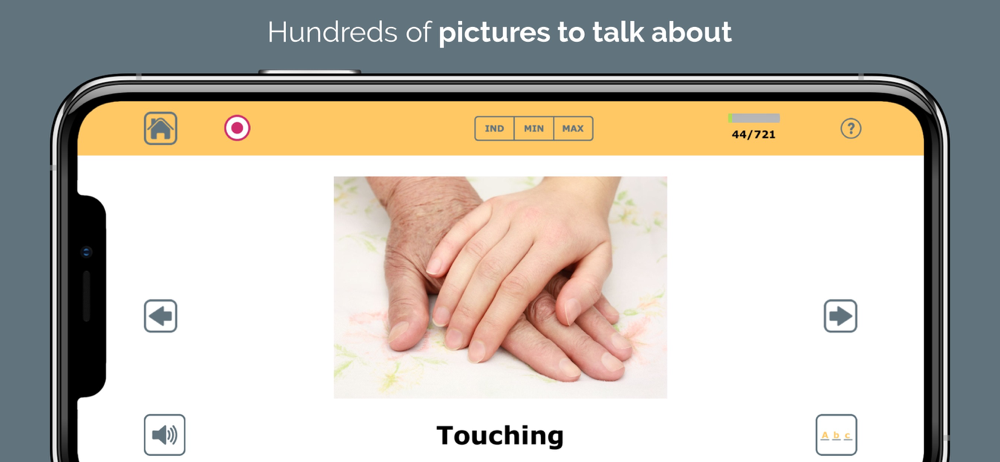
I float around between multiple assisted living and skilled nursing buildings as well as home health with my iPad always in my bag. This is by far the app I use most for adults with aphasia as well as those in our dementia units to name functional objects, this app is second best to real objects! I also use it as a barrier task during dysarthria treatment where I have the patient describe as much about the photograph as I assess their intelligibility. The naming test is great as a mini-assessment you can record along with other assessments during progress notes for G-Codes.
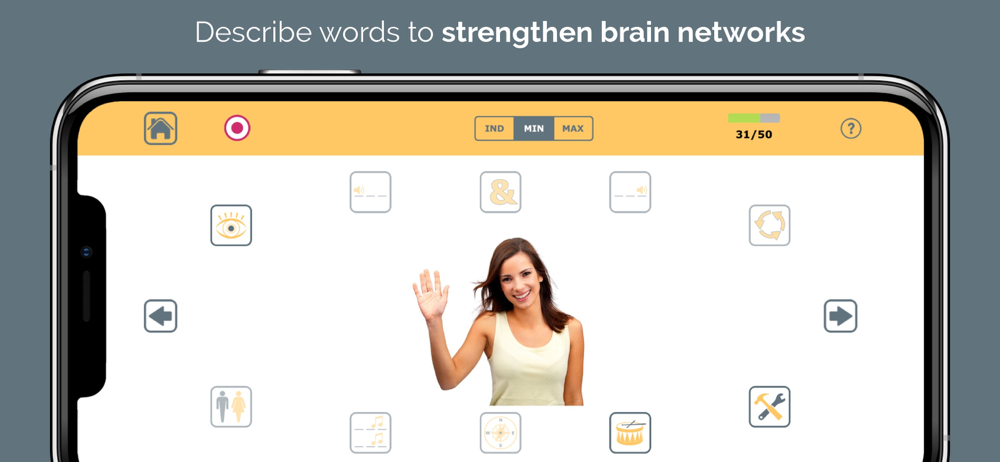
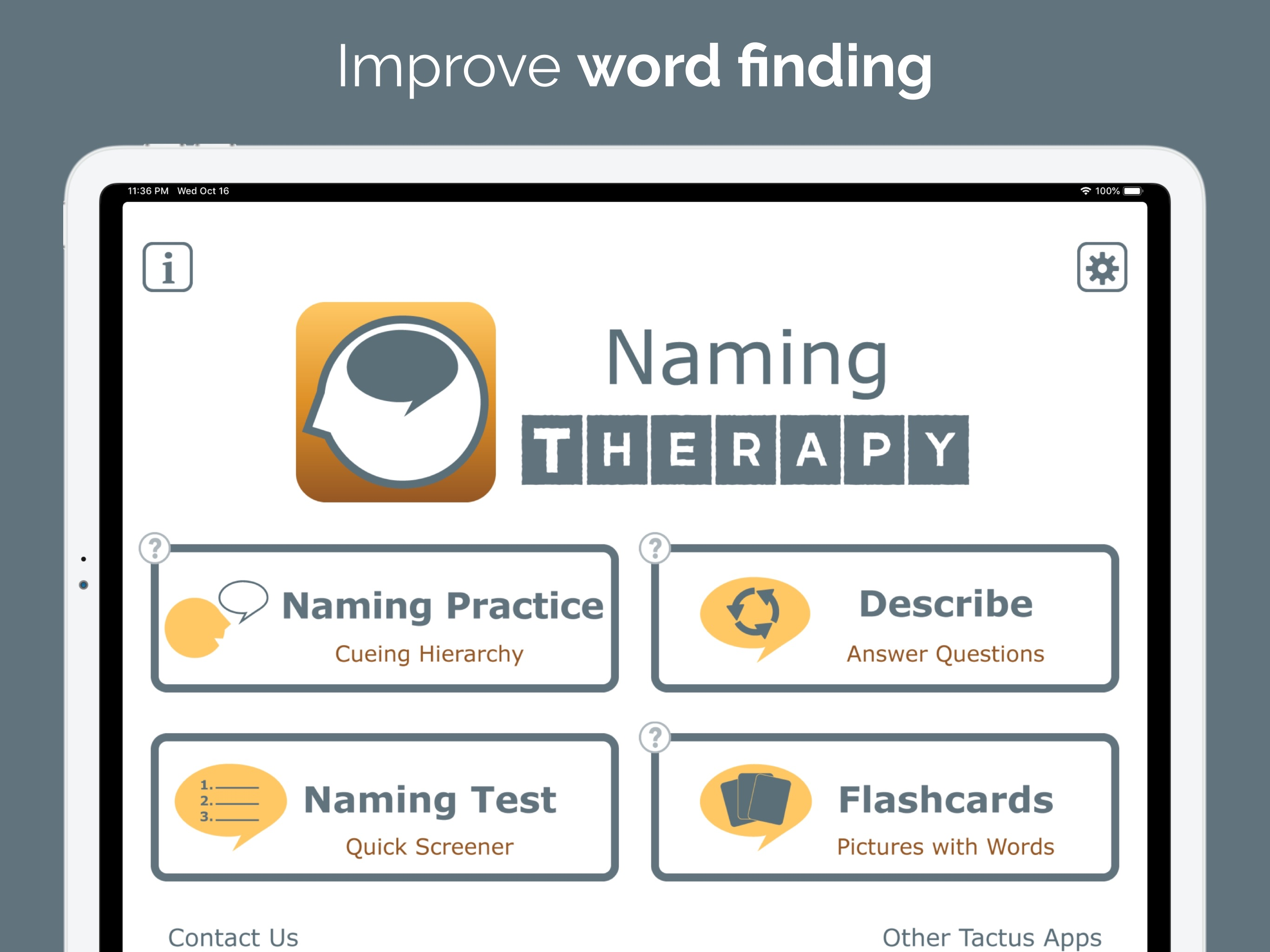
I originally bought this app to 1. get a better idea of how Tactus TherAppy apps performed, and 2. use it in presentations for speech-language pathology graduate students. I quickly realized how useful the app would be in my job as an itinerant speech-language therapist for preschoolers. I started by mostly using the "naming practice" portion. As I explored the app more, I realized how useful the "naming test" section was for objective data collection--I gave it to a couple children at the beginning of a quarter and then gave it again so I could easily get an objective measure of their progress. The "describe" section uses the concept of semantic feature analysis to strengthen semantic relationships. I haven't really used the "flashcards" section with my clients. Overall, I'm very pleased with the app. It is easy to navigate, incorporates evidence-based techniques, and gives me an easy, objective way to take data. Very few apps I've encountered are age-appropriate for both adults and preschoolers. I will be working in a medical setting later this year and cannot wait to try out the app with adults with aphasia!
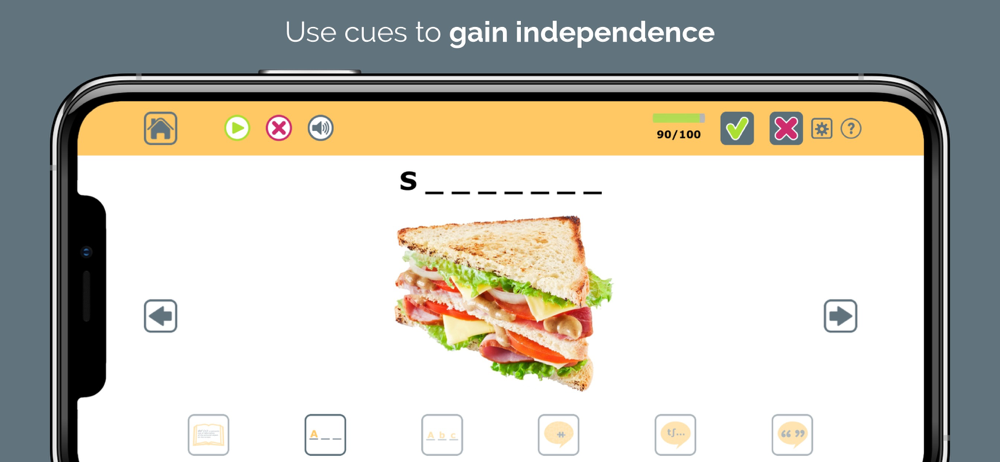
My wife had a stroke March 2011 and has moderate-severe expressive aphasia. This app is quite good for helping her recover her speech. It is professionally done and is easy to use. The price is reasonable. We use the naming practice which has the option of cueing words by having the user complete a sentence, showing the first letter, spelling the word, describing the word,and sounding the beginning of the word. It has a substantial list of nouns. The user can select one or more categories to work on at the same time. You really cannot get enough professional SLP hours on most insurance. NamingTherapy enables a non-professional to provide additional support for recovery.
"Great!!! This is a fantastic and very practical application! This app is well worth it! 5 stars!" "This app has proven to be very helpful for multi...