Check the acquisition promise
Read the store headline, screenshots and description. What problem is the app promising to solve?
Study the storefront ↗
Emmanuel Mathis · iOS
Explore the ad evidence, study the storefront, and build your next acquisition hypothesis.
01 / Creative research
Read the store headline, screenshots and description. What problem is the app promising to solve?
Study the storefront ↗Explore apps with direct store-link matches. Compare their hooks and formats without assuming the same approach works here.
Browse observed advertisers ↗Store rankings and revenue estimates describe market context. They do not establish ad spend, conversions or ROAS.
Review the market context ↗02 / Storefront & product
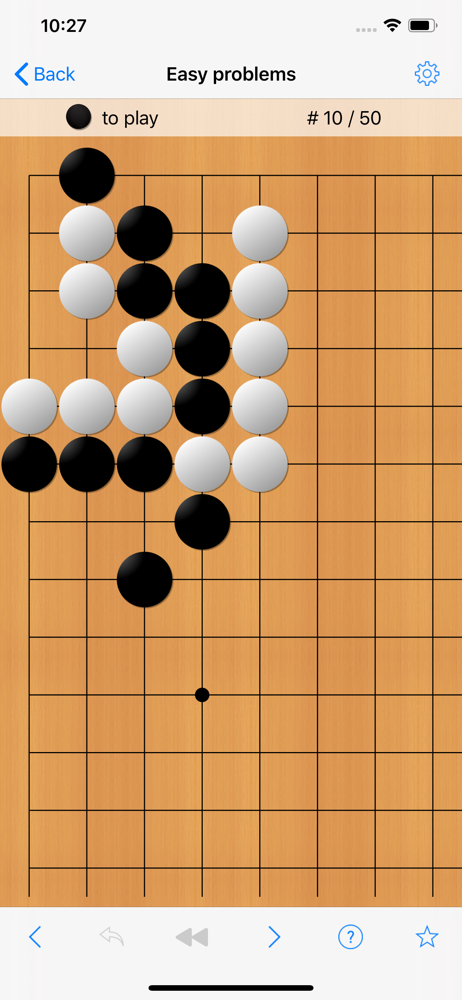
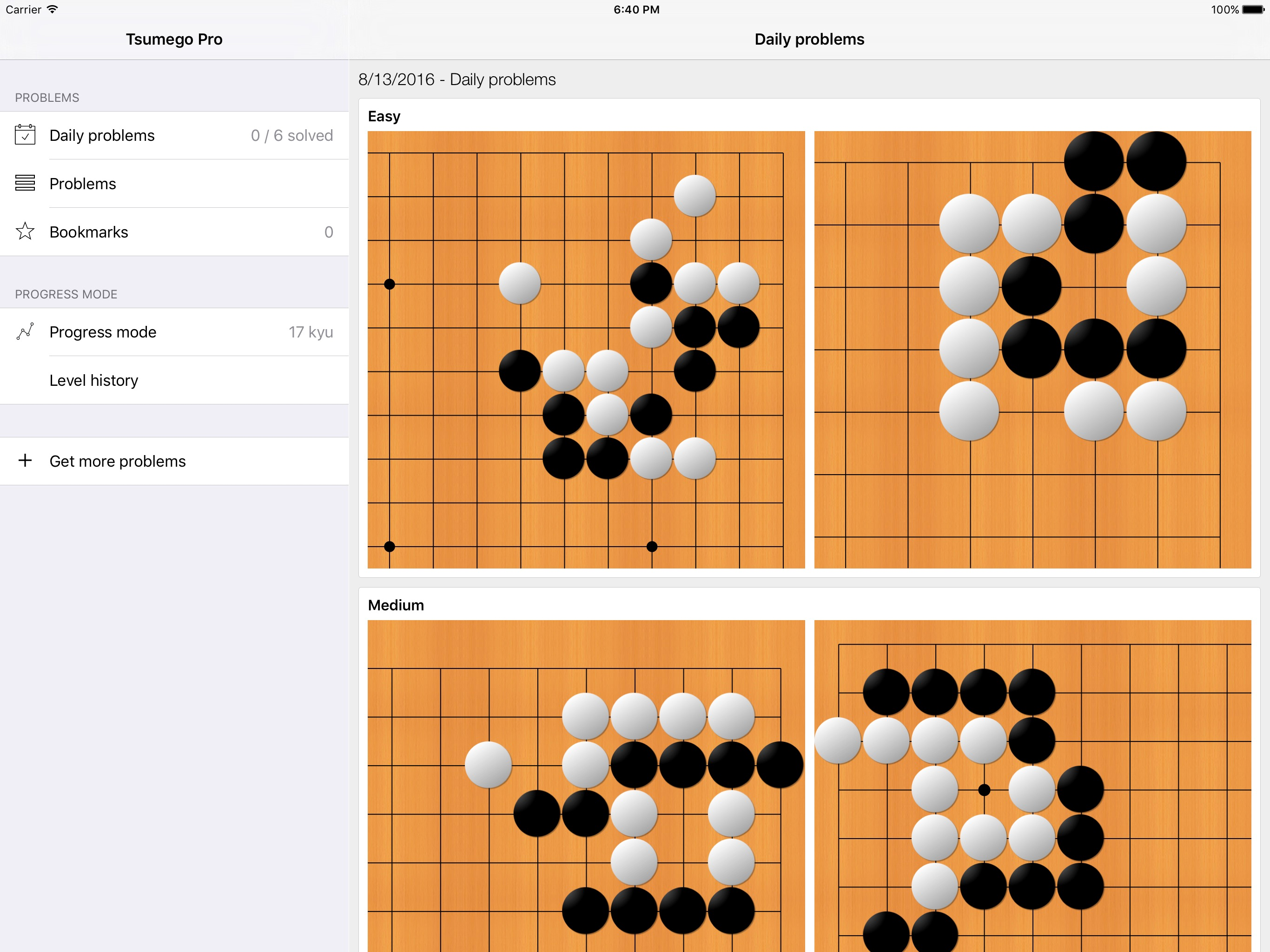
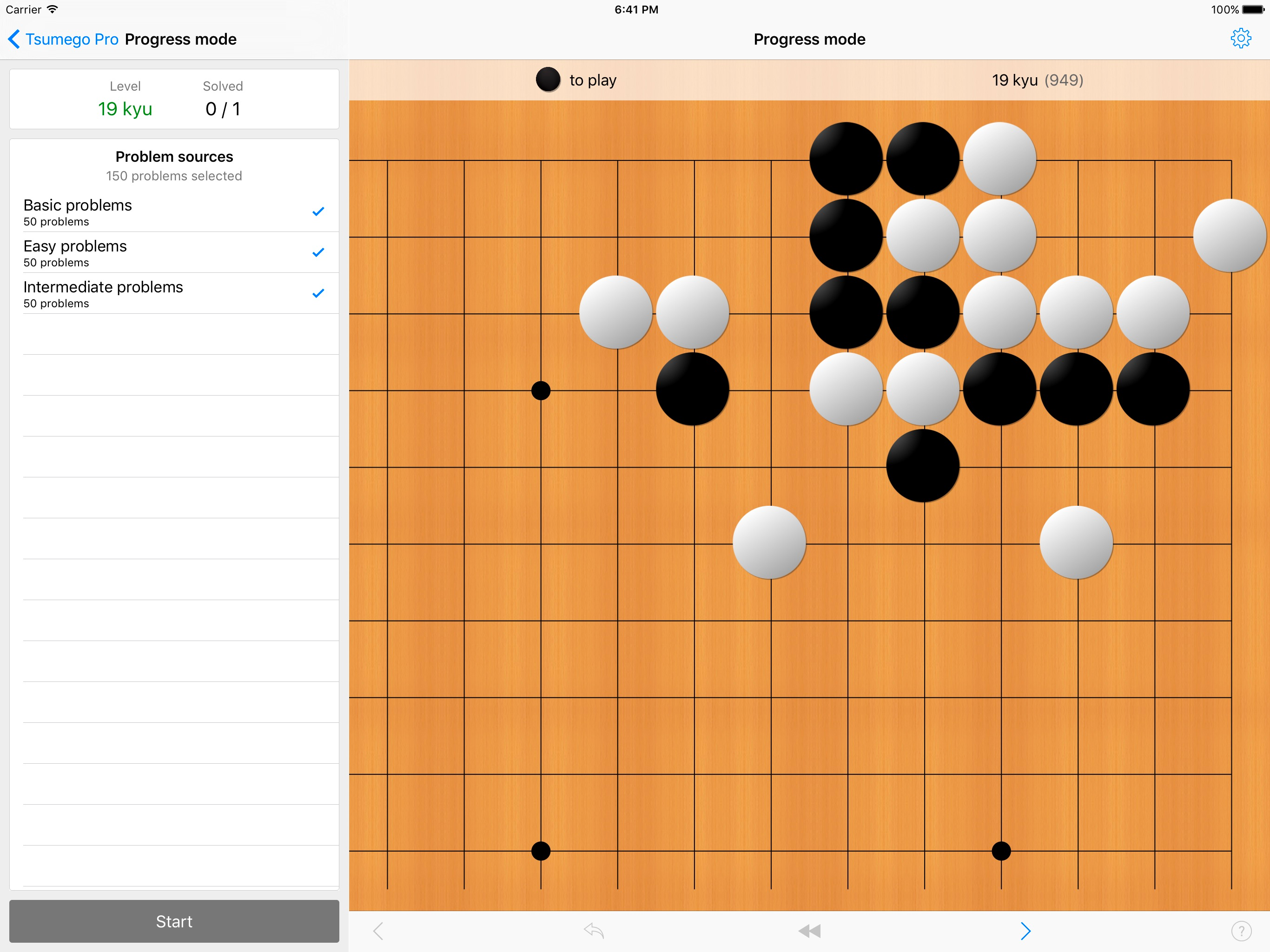
Study the product story and store experience behind the acquisition funnel.



03 / Market context
Keep revenue, downloads and store rankings separate from advertising performance.
I very much agree with goodtutor’s review. I like the daily problems and the right or wrong feedback. The app is very clean and an appealing space to solve problems. However, it would be so very nice if there was some sort of feedback on why a problem reaches the “solved” state. I do think the app is useful “as is” to learn patterns in the game. It does enable the user to learn to recognize given patterns and associated responses. I also like that additional possible actions are considered. Each problem is designed to lead you down the best path, but you can take alternative actions that help the user understand possible outcomes.
For a free app that provides daily baduk (go) puzzles, this isn’t bad. But a few things. If you’re not already familiar with the rules of baduk, then this won’t be for you as there’s no explanations on how to solve the puzzles or why you’re wrong. Second, all too often I’m given a puzzle that has more than one solution, but the app will only consider one correct. Third, often times the “correct” solution requires the opponent to make specific moves that don’t make much sense. And forth, sometimes the solution the game says is correct is not a solution at all. My stones are still unsettled and can become dead depending on the next move your opponent makes. This, this app assumes you’ll be playing morons. But, not all the practices are bad, I’d say only 1 out of 5 actually has the above issues. And did I mention its free with no ads? So, 3 stars for me.
This app gives me a steady supply of Go “problems” to solve by playing out mini-games against the app. At each move, the app tells me when my move is “wrong” and allows me to see (if I wish to) what the app thinks would be “right.” When I have “solved” the problem, the app says so. If I want to, I can play the game out and prove to myself that the problem was indeed solved. The difficulty for me is that so far I am not gaining much in the way of general principles that I can apply to new problems. I am not even sure what “solved” means sometimes. Does it mean that my configuration “lives?” Does it mean that I can capture all my opponent’s tiles? I very much wish that there were some explanatory notes with this app. Judging from other comparable apps, there appear to be some conventions and configurations that are assumed to be in any user’s vocabulary. It would help me a lot if I knew what those were.
Improve your Go game (weiqi, baduk) with Tsumego Pro and its large collection of tsumego problems! Each problem contains all valid answers and a lot o...
| Name | Price | Type |
|---|---|---|
| +150 Basic Problems | $0.99 | One-time |
| +150 Intermediate problems | $0.99 | One-time |
| Basic tesuji | $1.99 | One-time |
| Intermediate problems | $1.99 | One-time |
| Elementary problems | $1.99 | One-time |
| Advanced problems #2 | $1.99 | One-time |
| Daily problems - Easy | $1.99 | One-time |
| Advanced problems | $1.99 | One-time |
| Beginner problems | $1.99 | One-time |
| All-Access Pass | $9.99 | One-time |