Check the acquisition promise
Read the store headline, screenshots and description. What problem is the app promising to solve?
Study the storefront ↗
WebCatalog, Inc. · iOS
Explore the ad evidence, study the storefront, and build your next acquisition hypothesis.
01 / Creative research
Read the store headline, screenshots and description. What problem is the app promising to solve?
Study the storefront ↗Explore apps with direct store-link matches. Compare their hooks and formats without assuming the same approach works here.
Browse observed advertisers ↗Store rankings and revenue estimates describe market context. They do not establish ad spend, conversions or ROAS.
Review the market context ↗02 / Storefront & product
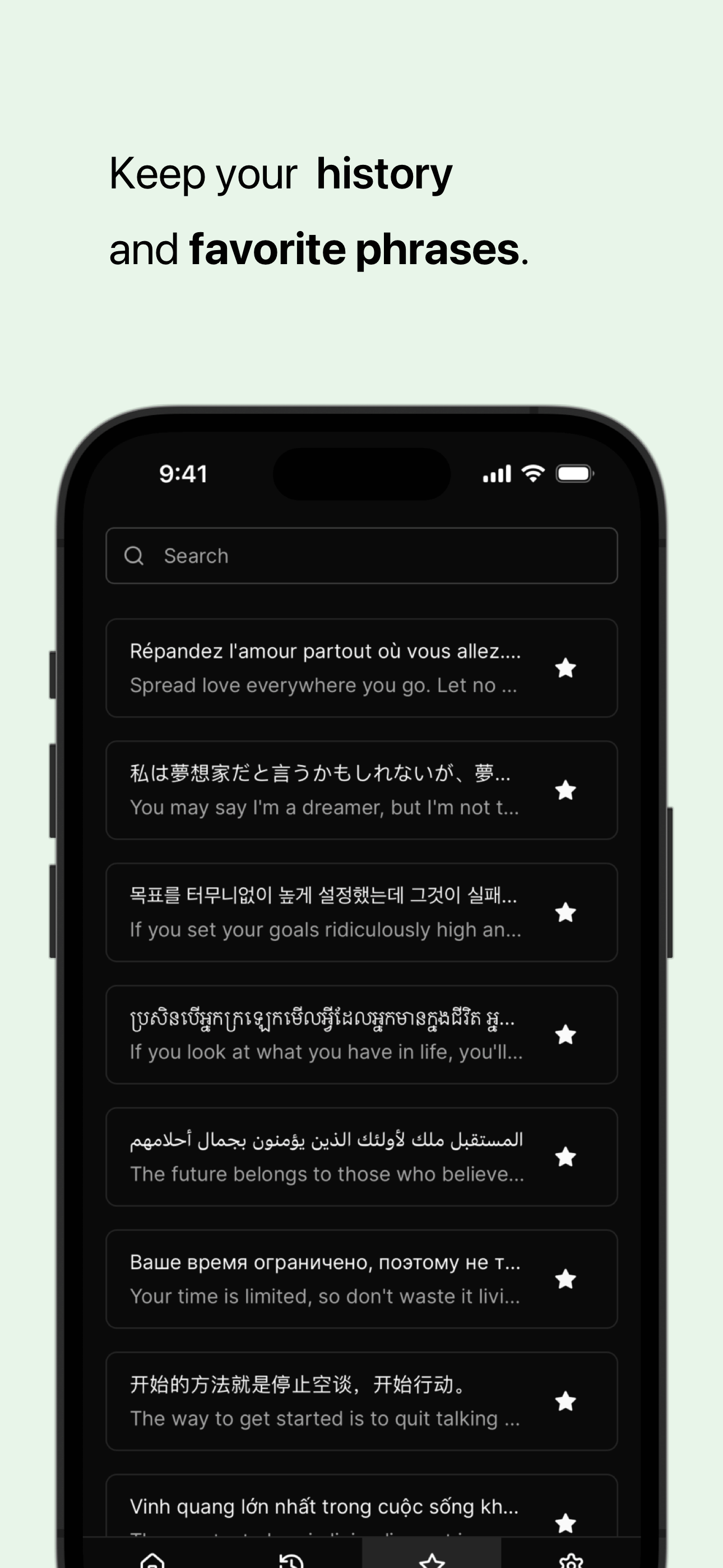
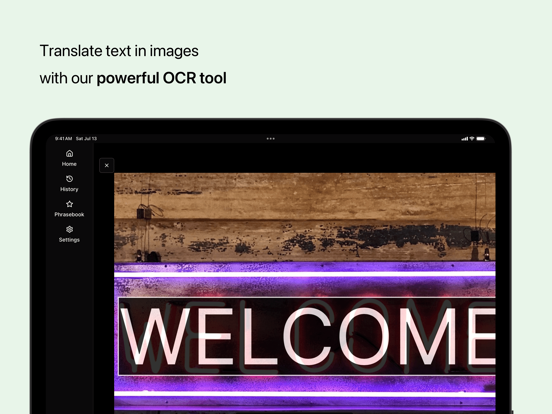
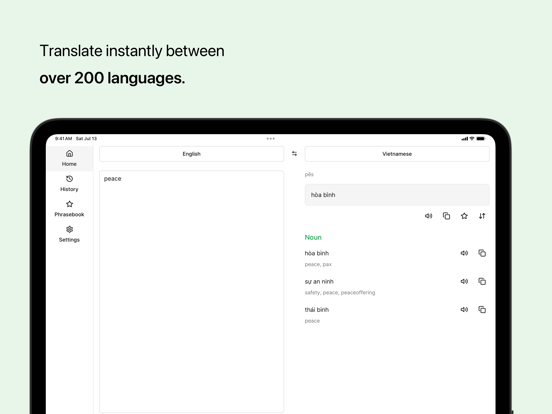
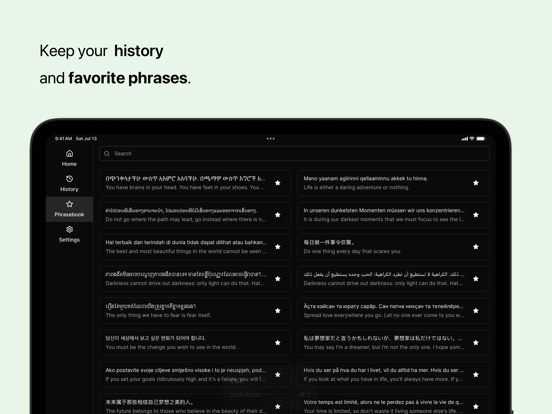
Study the product story and store experience behind the acquisition funnel.

03 / Market context
Keep revenue, downloads and store rankings separate from advertising performance.
I’m starting to hear and think in Greek. I’m going on a trip to Greece, being an American who only speak English. I’ve travelled to many countries and learned little of each language to communicate. But now using Tranlatium I can hear and think m now in Greek! So I’m learning that it’s all Greek to me now! Just being a Servant STW
I wanted something I could use with a keyboard shortcut for the clipboard. Makes my life way easier when working with my international collaborators in Slack and WhatsApp, etc. Just copy the text, and hit the shortcut and I'm in business. Thanks!
I like the fact that for languages such as Hebrew, which are written in another alphabet, that they also give a transliteration of the Hebrew word. This helps in pronunciation, as Hebrew is a written language that doesn’t use vowels, when written, except when teaching new speakers. However, I’ve noticed a lot of errors in it, even with my rudimentary knowledge of the language. For instance, the Hebrew word Hah-im was written as Ham and when I asked a question like Do you like it, madam, it conjugated the male form, even though I was asking a woman. “ham ata(ottah) ohev et ze gvarti?” It should be Hah-im at(ot) ohevet et ze gvarti? האם אתה אוהב את זה, גברתי? I’m not sure if it should be gveret, as would normally be the word for madam, or miss. So, it does need some work. In the Hebrew alphabet, it appears to be correct. After rereading the Hebrew, it appears that they also used the wrong gender to conjugate the sentence.
Translate any languages instantly with Translatium - the most powerful translation app for iOS + iPadOS. Translatium lets you translate words, phrase...