Check the acquisition promise
Read the store headline, screenshots and description. What problem is the app promising to solve?
Study the storefront ↗
Markus Sigg · iOS
Explore the ad evidence, study the storefront, and build your next acquisition hypothesis.
01 / Creative research
Read the store headline, screenshots and description. What problem is the app promising to solve?
Study the storefront ↗Explore apps with direct store-link matches. Compare their hooks and formats without assuming the same approach works here.
Browse observed advertisers ↗Store rankings and revenue estimates describe market context. They do not establish ad spend, conversions or ROAS.
Review the market context ↗02 / Storefront & product
Study the product story and store experience behind the acquisition funnel.

03 / Market context
Keep revenue, downloads and store rankings separate from advertising performance.
this is the one. Look no further. Even if your keyboard has organ sounds built-in, I guarantee these ones sound better. If you need just one manual, 32 pedal notes, and a very lovely set of stops, I highly recommend you start here. Easier to set up than GrandOrgue, (much) cheaper than Hauptwerk, and the sound library is just lovely.
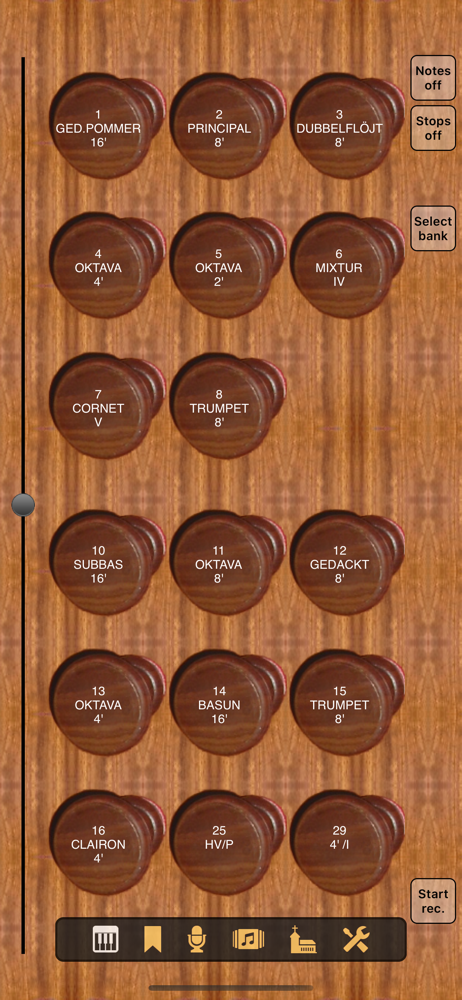
Great sound, great selection of stops, and the app works wonderful on iPad, and works with any midi intrument.
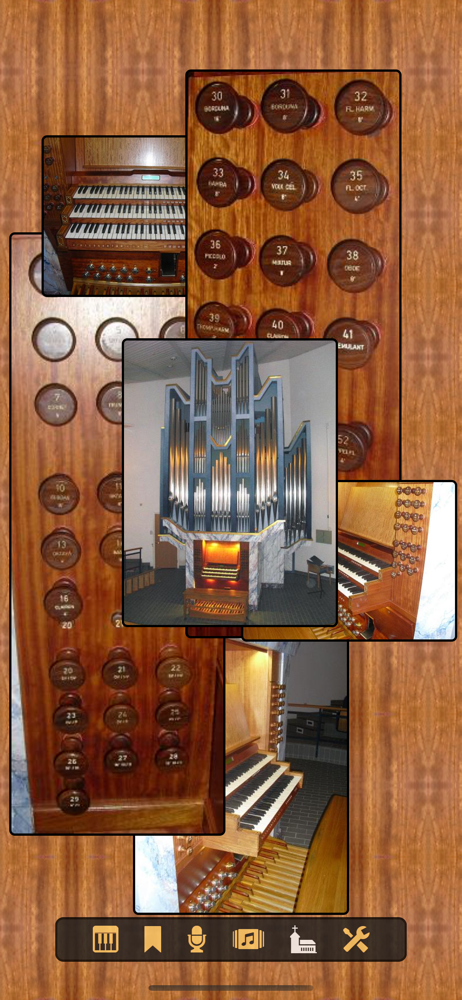
Of course all of these organs are great, and intuitive to use. But the new design with easier to read stops, and keyboard are most welcomed. The keyboard, especially, is nice for planning combinations more comfortably. Great work.
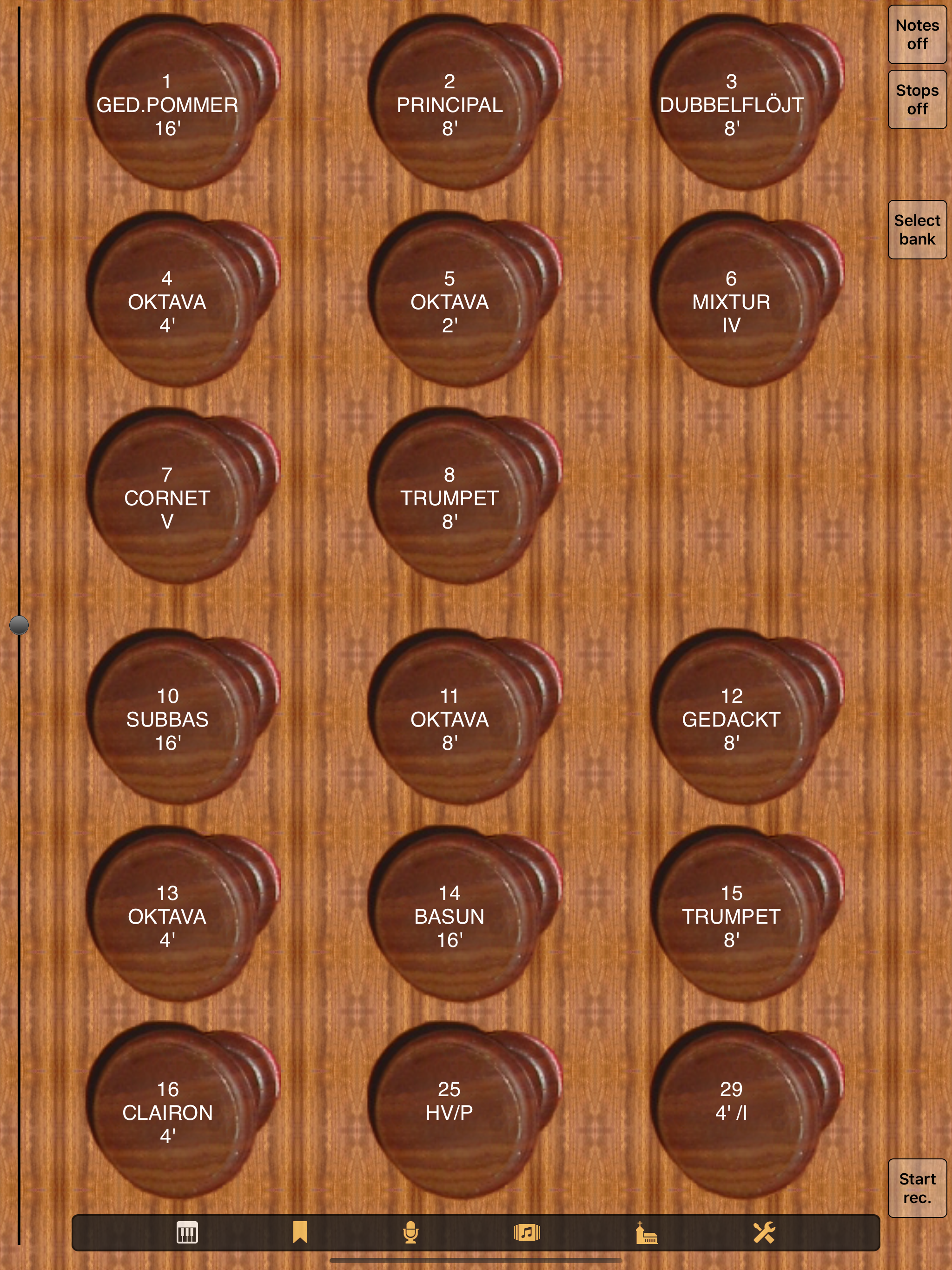
PiteaMini is a downsized version of the Pitea organ app, needing less memory and less screen estate. It uses the Great Manual and the Pedal of Lars Pa...