Check the acquisition promise
Read the store headline, screenshots and description. What problem is the app promising to solve?
Study the storefront ↗
CuVee Software · iOS
Explore the ad evidence, study the storefront, and build your next acquisition hypothesis.
01 / Creative research
Read the store headline, screenshots and description. What problem is the app promising to solve?
Study the storefront ↗Explore apps with direct store-link matches. Compare their hooks and formats without assuming the same approach works here.
Browse observed advertisers ↗Store rankings and revenue estimates describe market context. They do not establish ad spend, conversions or ROAS.
Review the market context ↗02 / Storefront & product
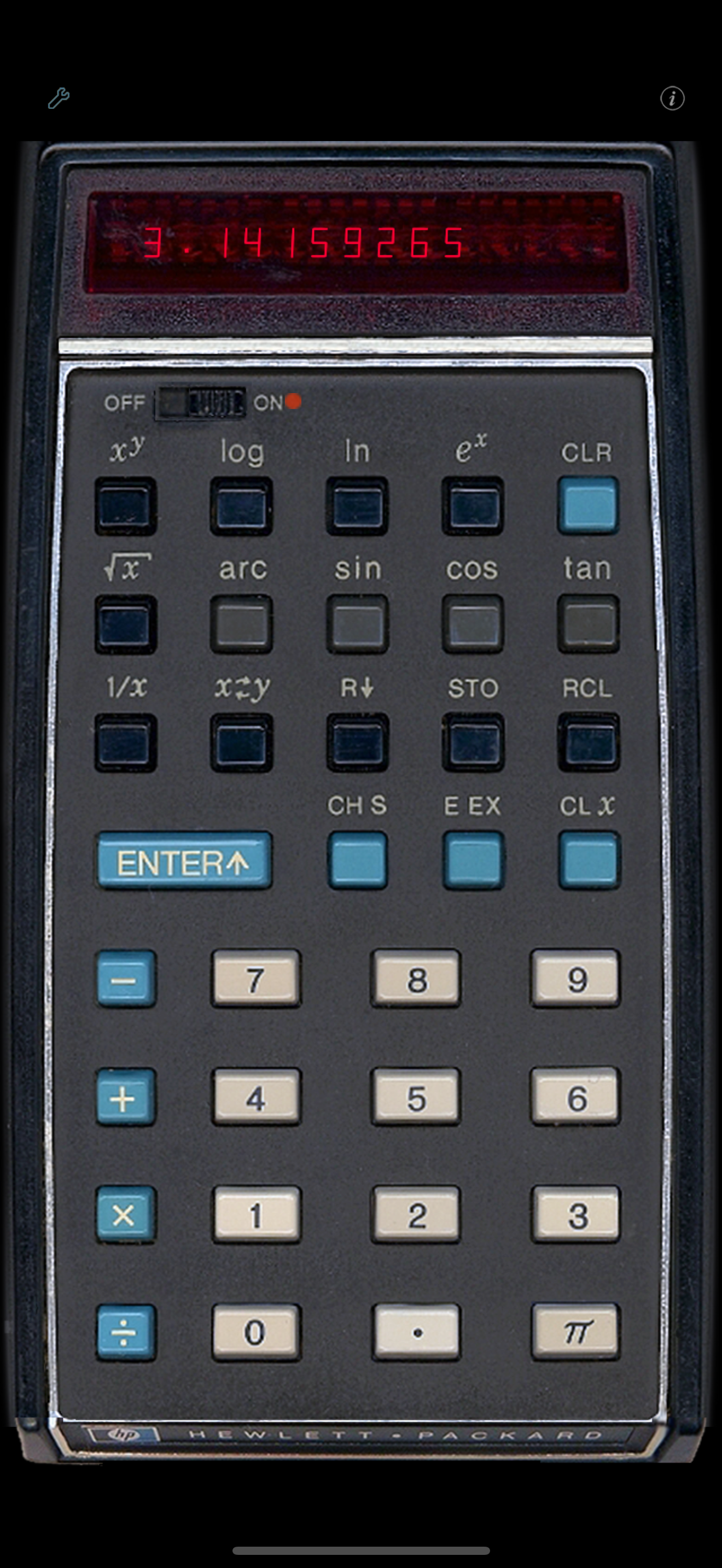
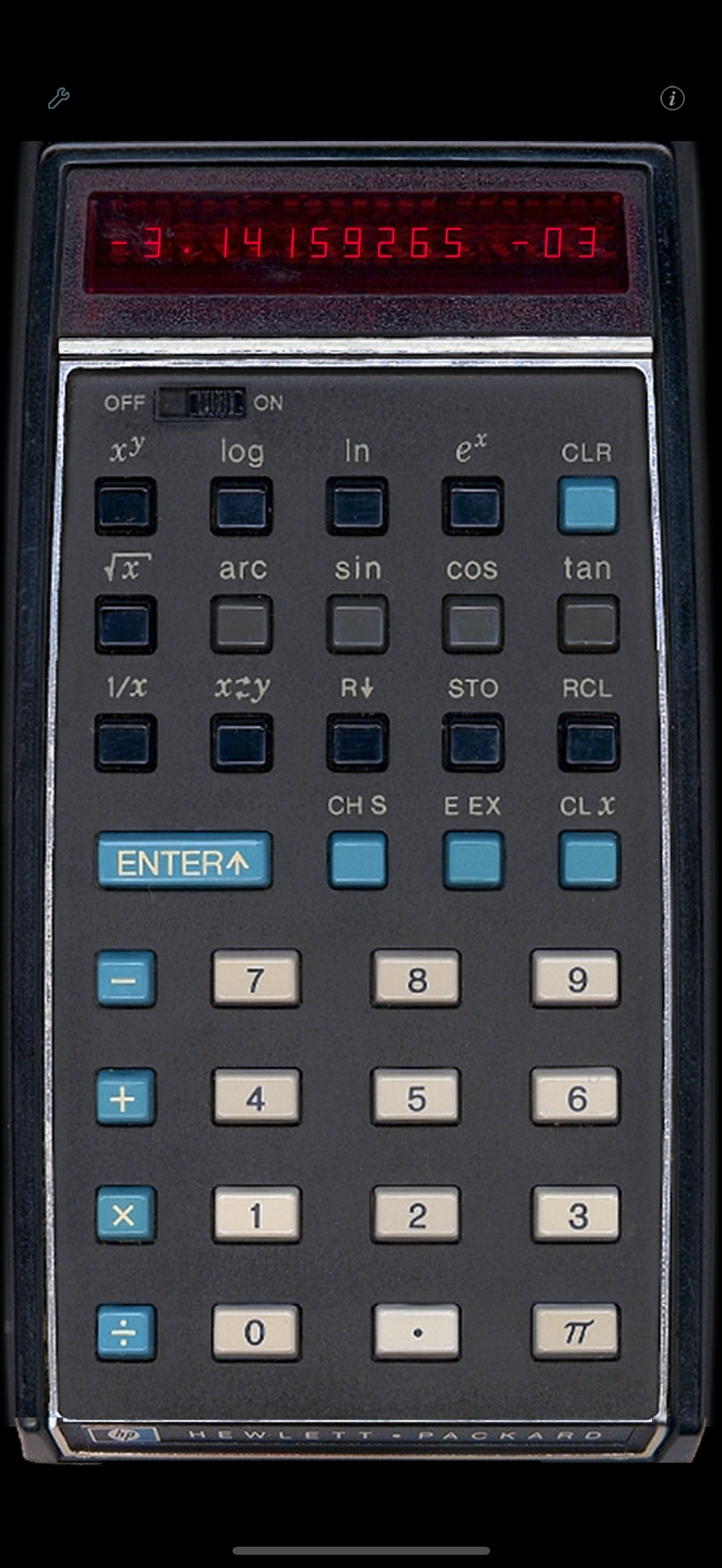
Study the product story and store experience behind the acquisition funnel.



03 / Market context
Keep revenue, downloads and store rankings separate from advertising performance.
I saved a long time while I was in high school in the 70s to buy one of these. IIRC it was $400. I finally got it and tried every formula I knew, it was fantastic. I went on to Purdue as an EE student and used this one to win an HP45 in their annual Calculator Olympics. Then I used that one to win an HP67. The next year they banned me from entering - the best honor of all. Unfortunately I don’t have them any more but this app fills that old desire perfectly. Thanks for the memories, CuVee, very well done.
I'm using this on an iPhone 11 Pro Max. The ergonomics of the HP-35 — e.g., the number, size, and placement of buttons — really shine with this app and this screen size. Holding up an actual HP-35 and the app, you can even appreciate the lineage which goes all the way back to Steve's cold call to Bill Hewlett.
I’m almost irrationally happy with this app. The HP-35 was my first calculator, purchased in 1975 while I was a Chem major in college. I spent the previous years using slide rules and trig table. I was fascinated by the RPN entry and how it could generate trig values on the fly. I’d still have it if it hadn’t been stolen. Sad. Because they didn’t steal the charger too. So they played with it till the batteries ran down then it became a small brick. I am a university professor now and I just used this emulation to total test scores! How fitting! Thanks so much for this emulation!!! I am grateful.
On January 4, 1972, Hewlett-Packard announced the HP-35, world's first scientific calculator small enough to fit in a pocket - more precisely, Bill He...