
Check the acquisition promise
Read the store headline, screenshots and description. What problem is the app promising to solve?
Study the storefront ↗
Gulsen CAKIR · iOS
Explore the ad evidence, study the storefront, and build your next acquisition hypothesis.
01 / Creative research
Read the store headline, screenshots and description. What problem is the app promising to solve?
Study the storefront ↗Explore apps with direct store-link matches. Compare their hooks and formats without assuming the same approach works here.
Browse observed advertisers ↗Store rankings and revenue estimates describe market context. They do not establish ad spend, conversions or ROAS.
Review the market context ↗02 / Storefront & product
Study the product story and store experience behind the acquisition funnel.




03 / Market context
Keep revenue, downloads and store rankings separate from advertising performance.
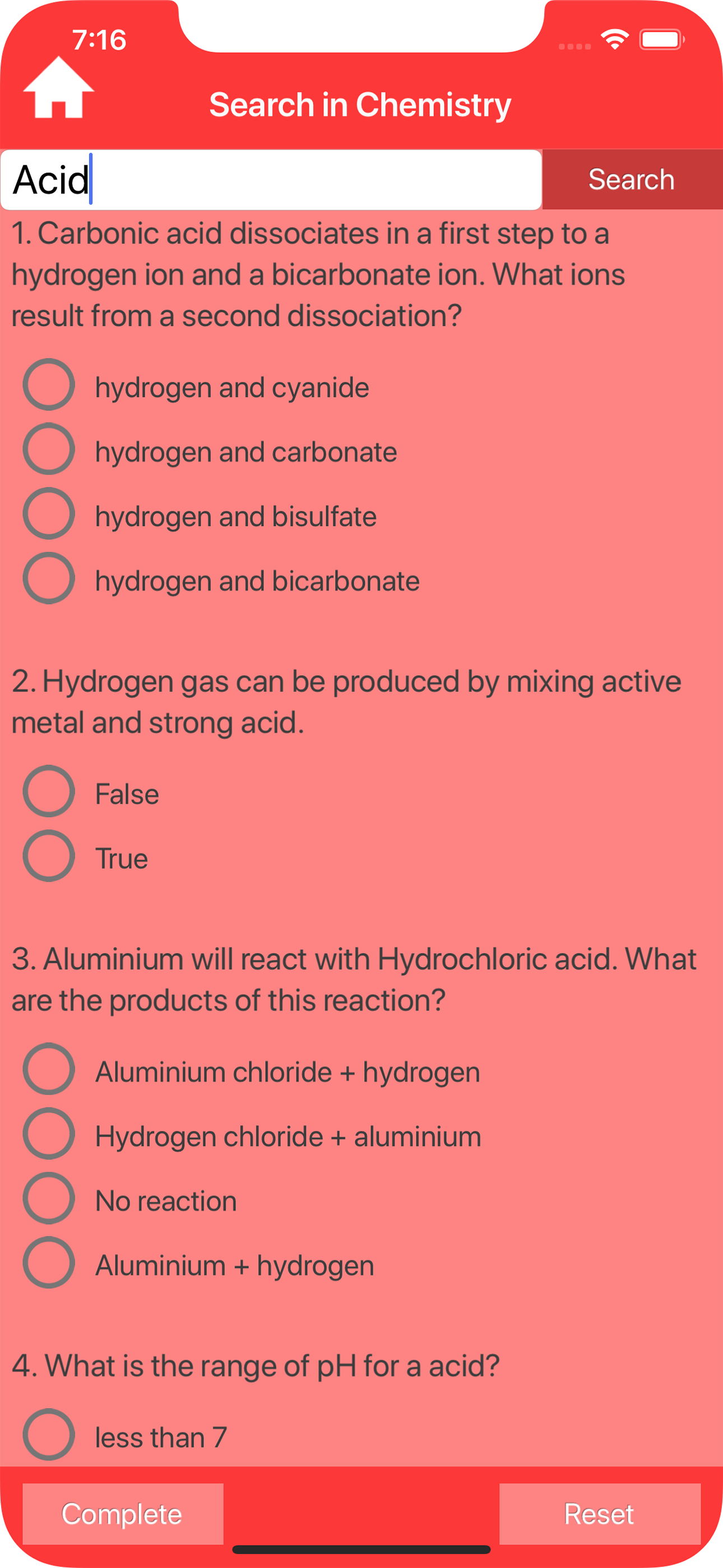
Their facts and questions on the quizzes are wrong. By taking these quizzes, you will learn the wrong information. I am assuming that the programmer knows nothing about Chemistry, because there are facts that are completely wrong; for example the definition of an isotope according to this app is determined by the number of protons. A quick check on any chemistry site (or Chemistry book) will tell you that isotopes of a certain element are determined by the number of NEUTRONS of the atom. The concept of the app is very good, but for a CHEMISTRY app, it fails in basic CHEMISTRY.
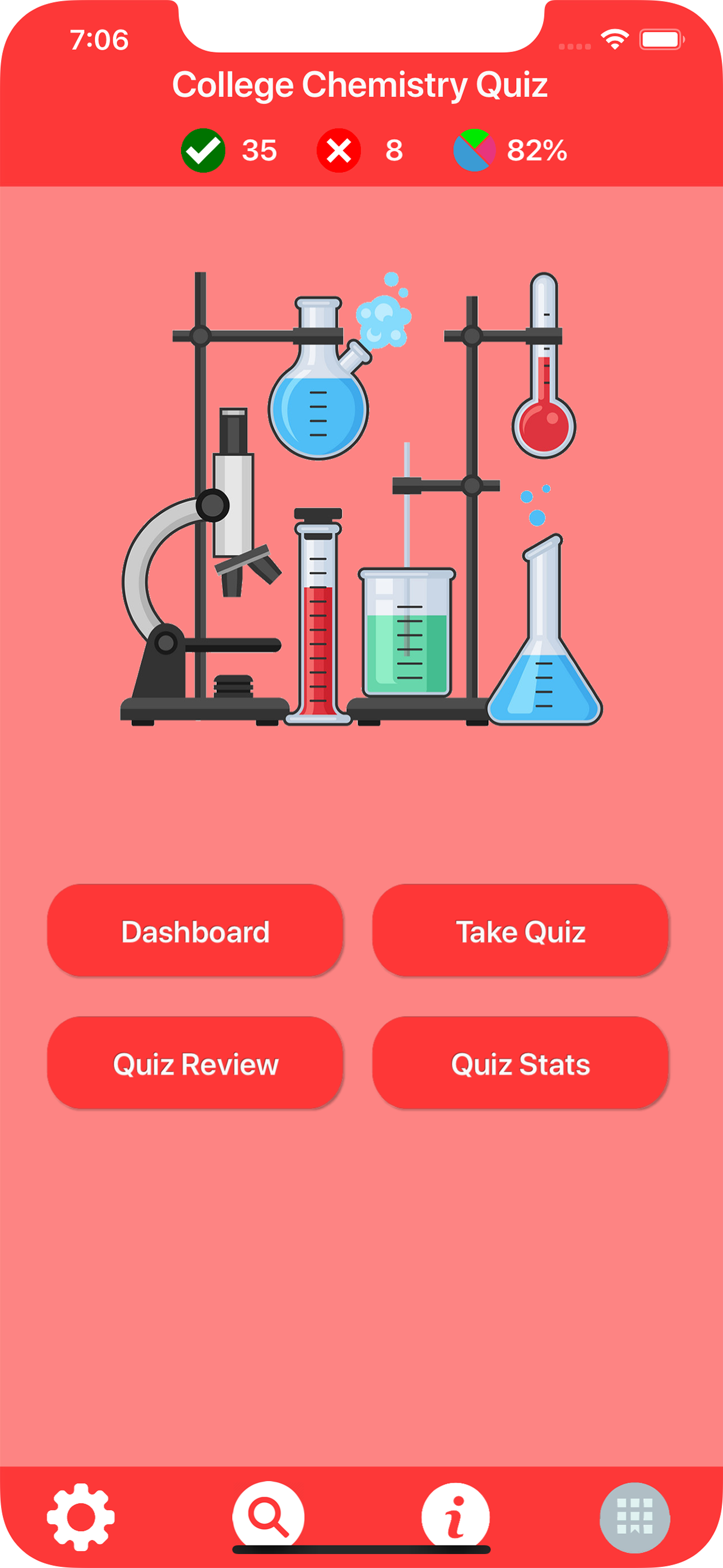
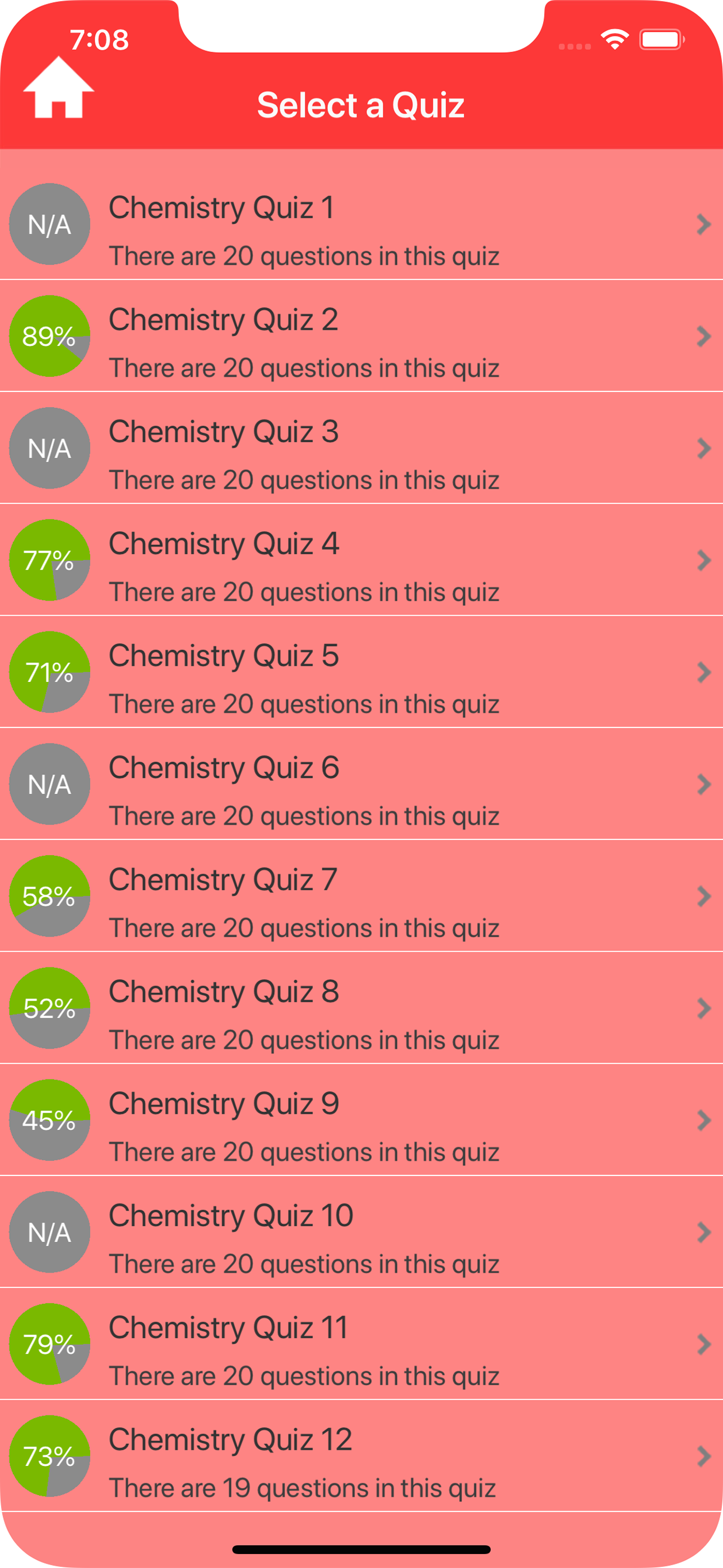
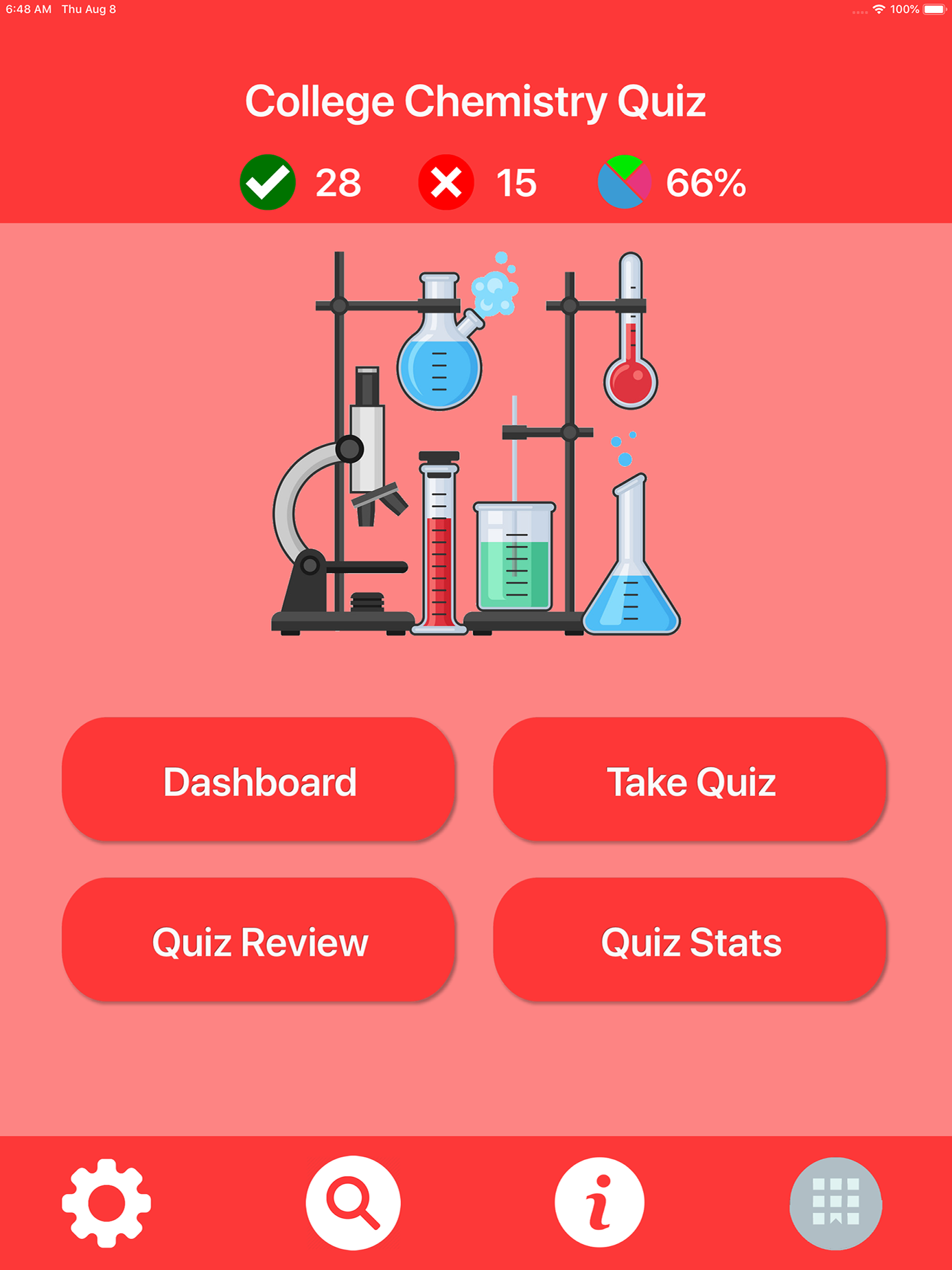
Test your knowledge of elements, reactions, and chemical bonding! Learn, review, and master college chemistry with fun quizzes. College Chemistry Qui...


