Check the acquisition promise
Read the store headline, screenshots and description. What problem is the app promising to solve?
Study the storefront ↗
Hans Zanger · iOS
Explore the ad evidence, study the storefront, and build your next acquisition hypothesis.
01 / Creative research
Read the store headline, screenshots and description. What problem is the app promising to solve?
Study the storefront ↗Explore apps with direct store-link matches. Compare their hooks and formats without assuming the same approach works here.
Browse observed advertisers ↗Store rankings and revenue estimates describe market context. They do not establish ad spend, conversions or ROAS.
Review the market context ↗02 / Storefront & product
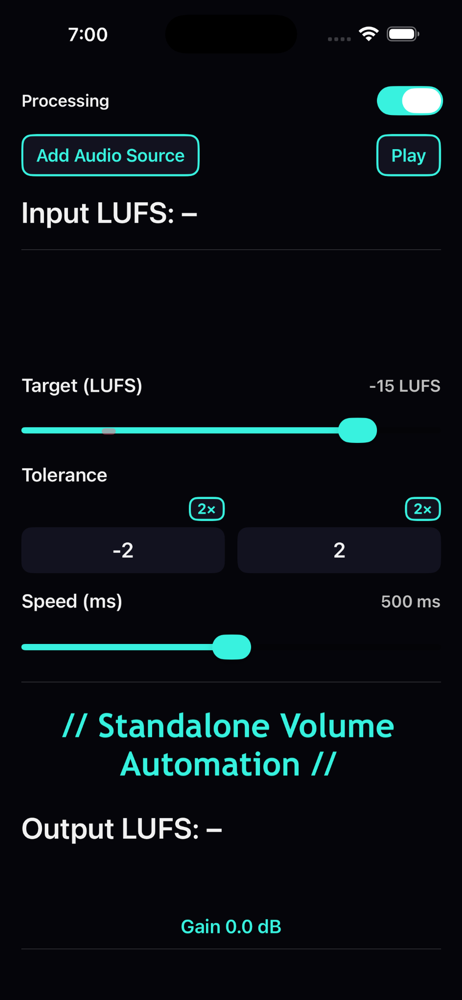
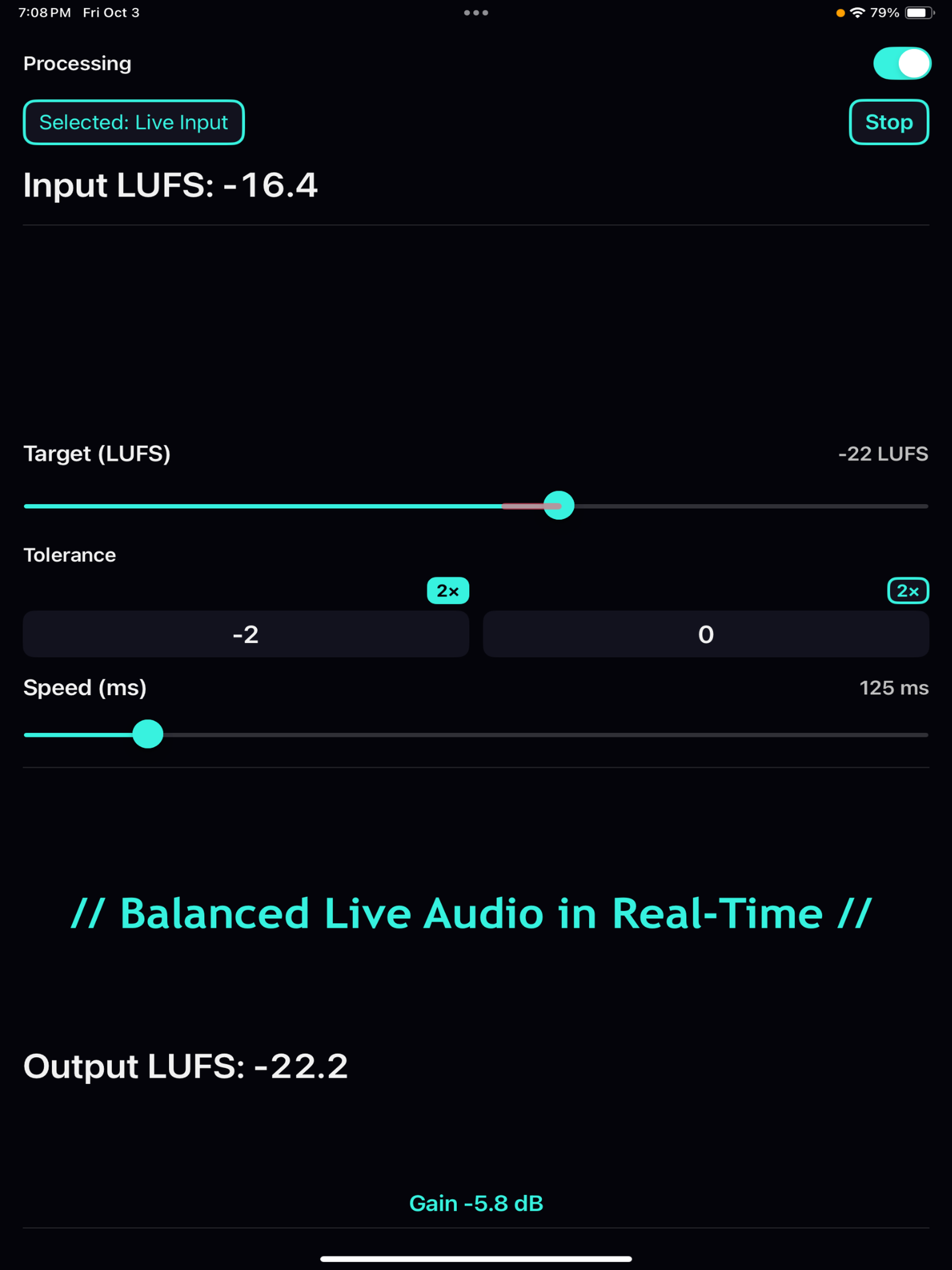
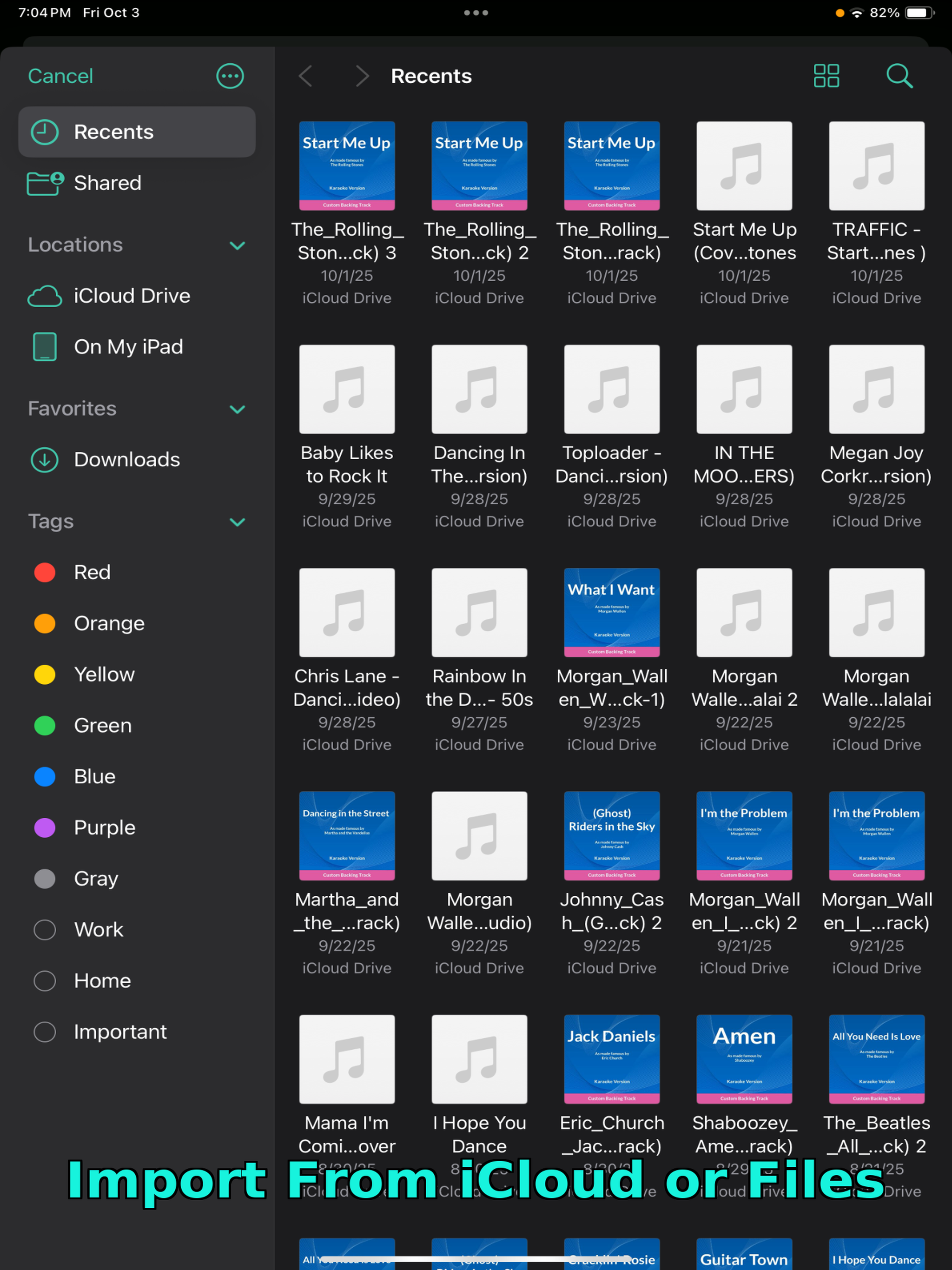
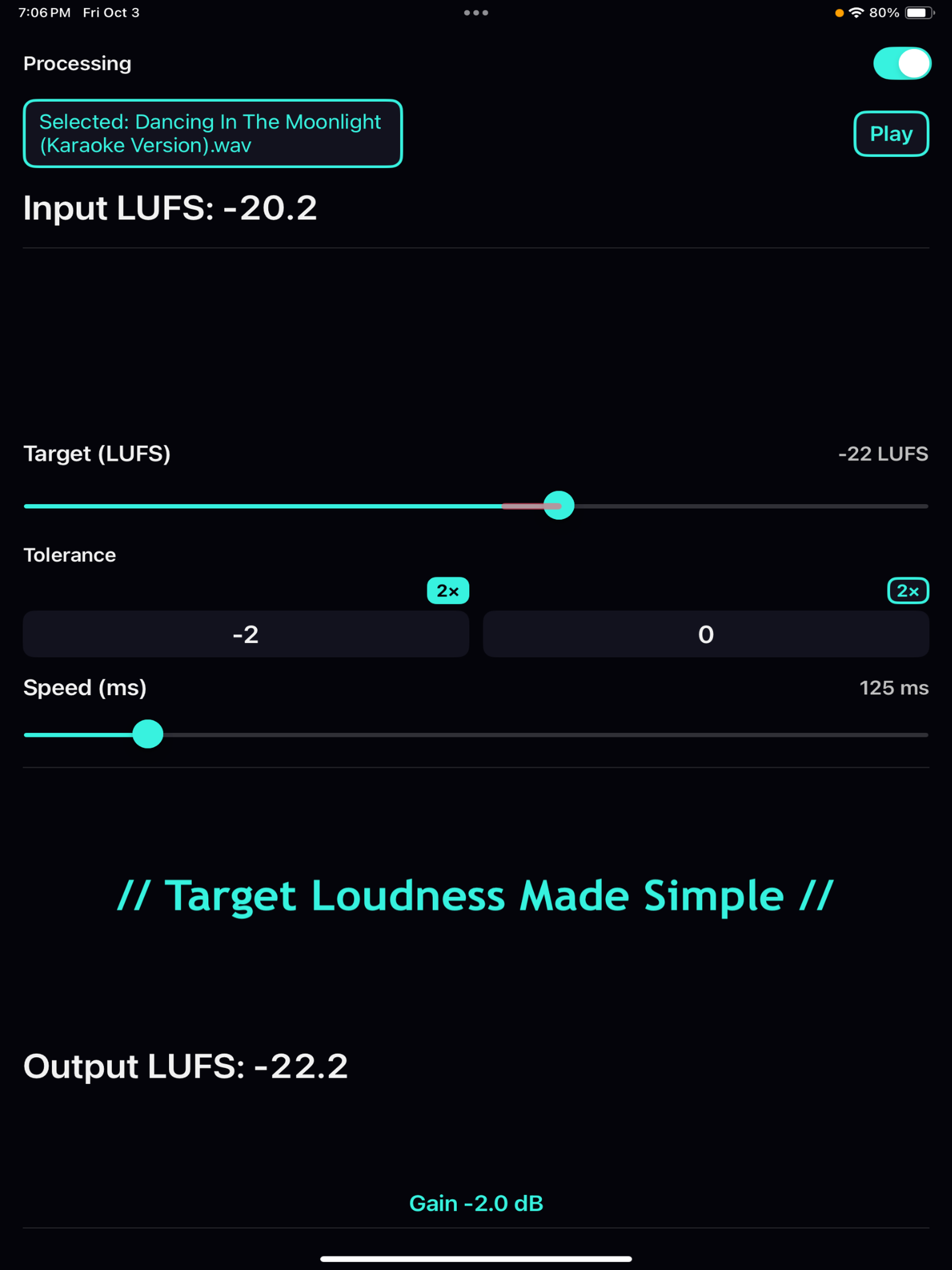
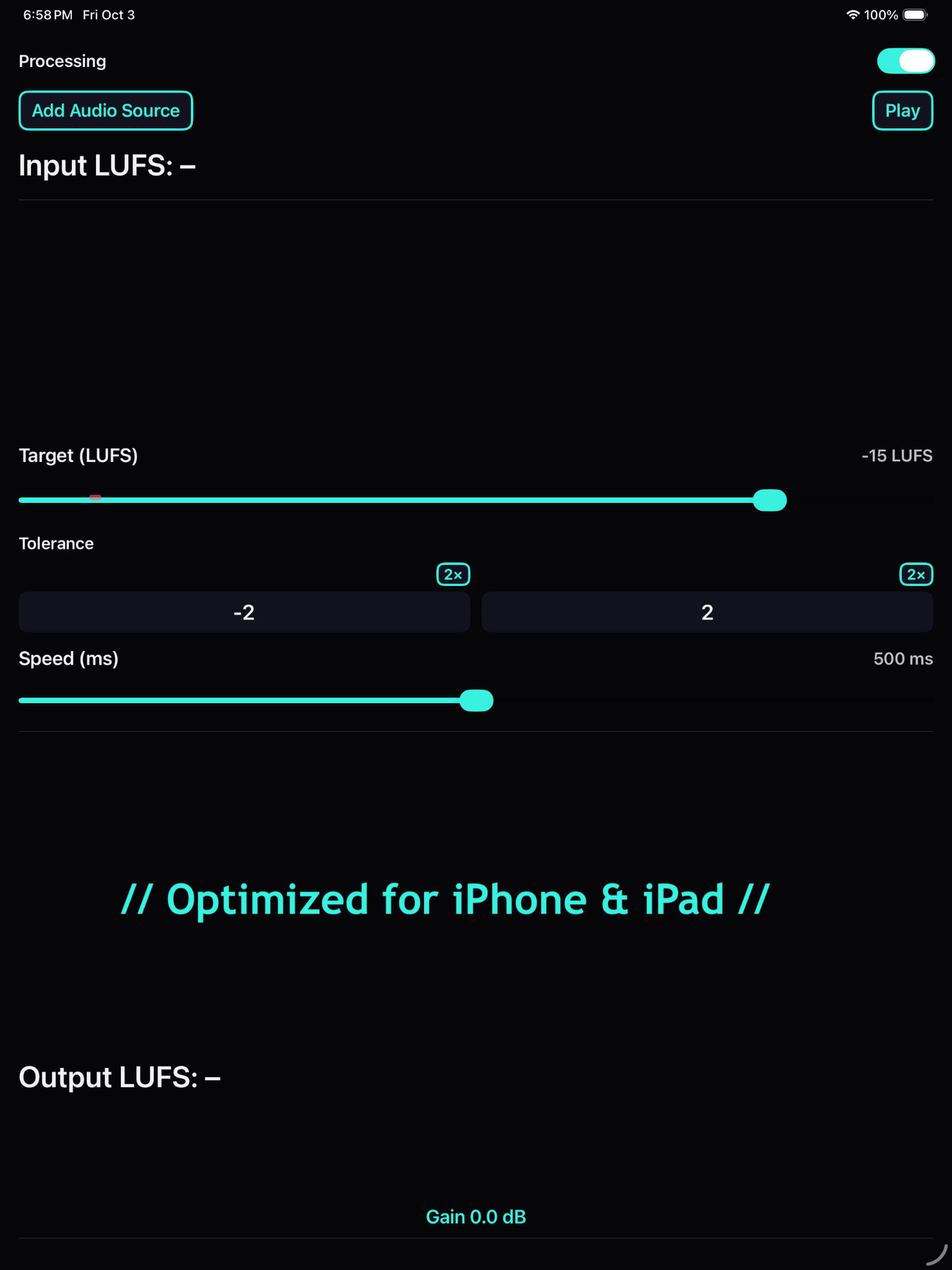
Study the product story and store experience behind the acquisition funnel.

03 / Market context
Keep revenue, downloads and store rankings separate from advertising performance.
Automatic leveling does not work and produces very high pitched feedback. There is no documentation or guide for this app.
This app has been an absolute game changer for me. I have been a professional “one man band” for over 20 years utilizing backing tracks for my performances and have always had to deal with volume fluctuations in my tracks. Depending on where I get my tracks, the end result was always having to manually go in and try to adjust volume in an effort to achieve sound consistency. This app allows you to make manual settings and truly “set and forget” it with total confidence. No more worrying about louder peaks and even brings up volume for click prompts that I need to hear clearly through my monitor. Bravo and thank you!
The app is very intuitive, easy to navigate, and easily handles audio with a wide range of loudness. Using the live input setting before going into a mixer/PA ensures speaker output stays consistent no matter how loud/quiet the input source is.
The Leveler is a standalone audio app that automatically balances loudness in real time or from file input. Built on LUFS standards, it delivers consi...