Check the acquisition promise
Read the store headline, screenshots and description. What problem is the app promising to solve?
Study the storefront ↗
Artem Popov · iOS
Explore the ad evidence, study the storefront, and build your next acquisition hypothesis.
01 / Creative research
Read the store headline, screenshots and description. What problem is the app promising to solve?
Study the storefront ↗Explore apps with direct store-link matches. Compare their hooks and formats without assuming the same approach works here.
Browse observed advertisers ↗Store rankings and revenue estimates describe market context. They do not establish ad spend, conversions or ROAS.
Review the market context ↗02 / Storefront & product
Study the product story and store experience behind the acquisition funnel.


03 / Market context
Keep revenue, downloads and store rankings separate from advertising performance.
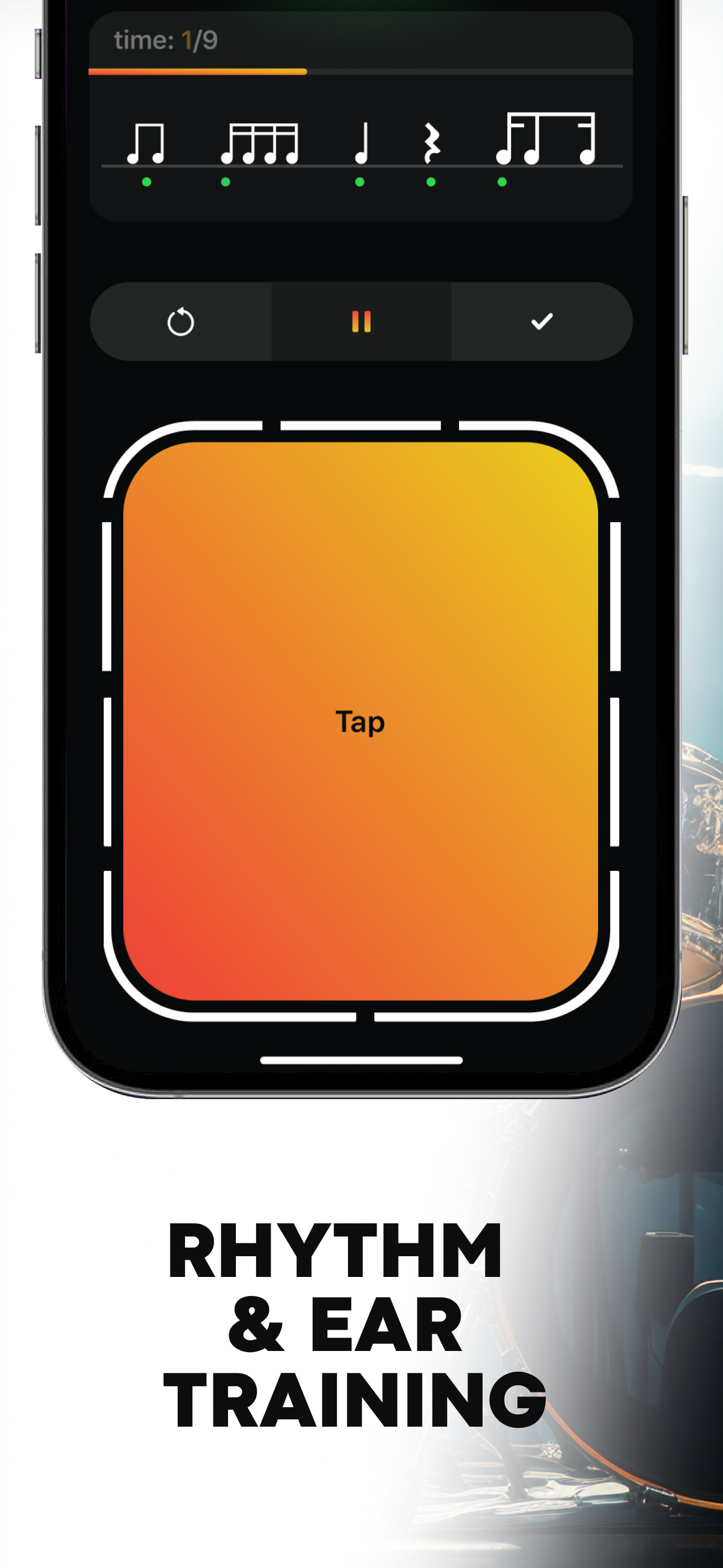
Love the app for the UI, the feel of it, even the sounds and clicks with the notes. The lack of rest notation makes the function very confusing and even almost unusable in some cases, particularly with 16th note exercises.
I’m a really big fan of how the UI looks and works, but the only thing that really I feel sets me AND the app back (A LOT) is the fact that there’s no rest notation, and while I sometimes can get what’s going on, it’s just ultimately really confusing. Another note I have would be a more visible indicator of the time signature (maybe on the tapping button).
Your 4th lesson is wrong, "half and quarter notes". in what world are half notes worth 3 beats? And in the next lesson, they are worth 4 and 2 beats. 😤please fix I like that it's free. Also I feel like the tap sound is off and it messes me up.
Rhythm Ear Trainer is the ultimate tool for honing your rhythm skills and developing a keen musical ear. With a plethora of features designed to enhan...