
Check the acquisition promise
Read the store headline, screenshots and description. What problem is the app promising to solve?
Study the storefront ↗
Kacper Kaczmarzyk · iOS
Explore the ad evidence, study the storefront, and build your next acquisition hypothesis.
01 / Creative research
Read the store headline, screenshots and description. What problem is the app promising to solve?
Study the storefront ↗Explore apps with direct store-link matches. Compare their hooks and formats without assuming the same approach works here.
Browse observed advertisers ↗Store rankings and revenue estimates describe market context. They do not establish ad spend, conversions or ROAS.
Review the market context ↗02 / Storefront & product
Study the product story and store experience behind the acquisition funnel.


03 / Market context
Keep revenue, downloads and store rankings separate from advertising performance.
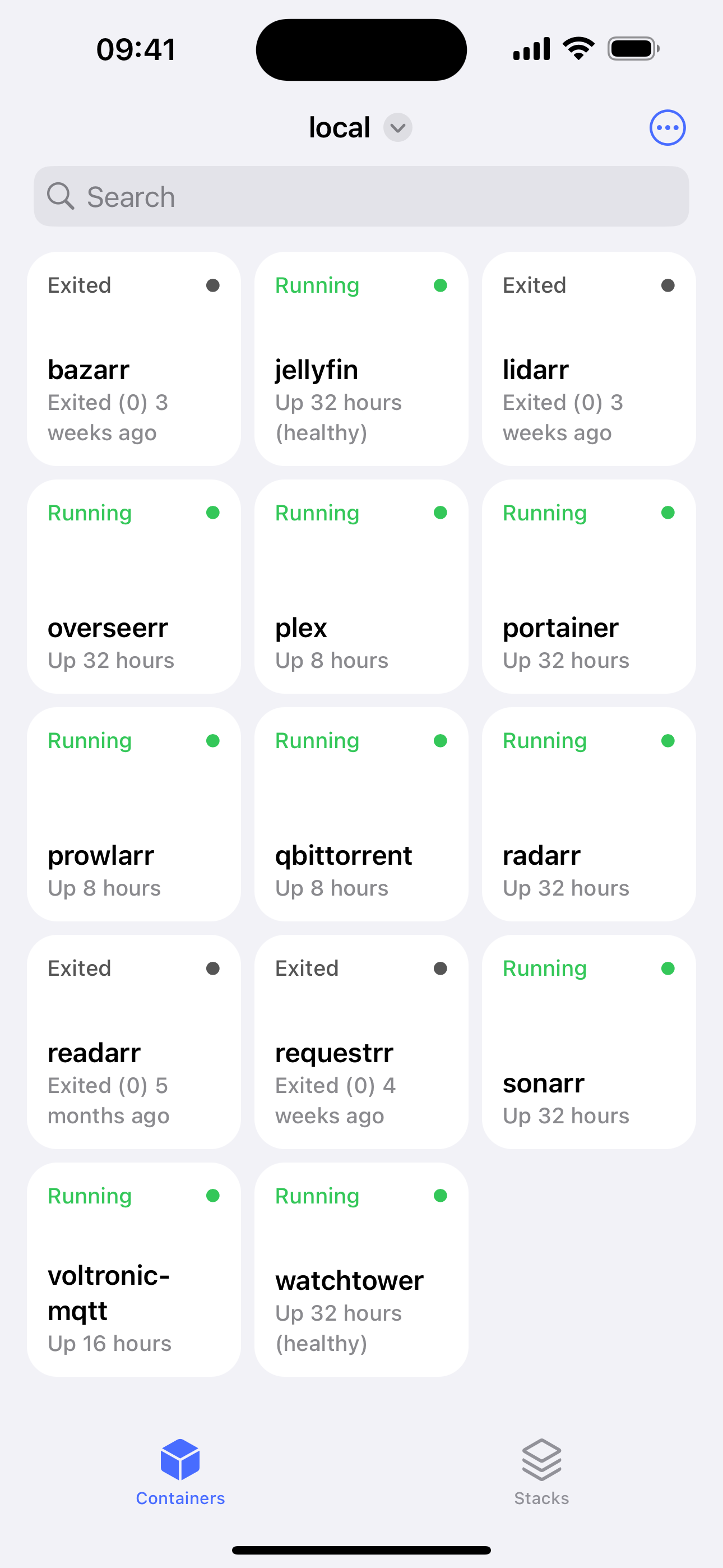
I use Harbour with a UTM Linux VM that’s running Docker Engine. The UX is a lot cleaner than Docker Desktop for Mac and I get similar performance. Harbour is much nicer to use than other Docker manger GUIs that I’ve tried. Overall a great experience, my only suggestion would be to keep adding more Portainer features to build out Harbour’s usefulness so people don’t have to switch into the web UI.
I truly enjoy using my services with docker but there was never a good app for it. All of them were riddled with ads, but not Harbour. Not only is it open source but the developer puts so much hard work into it. I 100% recommend buying and using.
I have had this app for some time now and it has came in so handy. The steps I had to take prior to this were to remote in then use a tiny screen to navigate to my containers. Now I have access to all my containers to check on status, stop, start, and remove. This is super easy to setup and I recommend any one using docker to get Harbour.
Meet Harbour - Portainer management app for iOS! Note: Portainer (https://portainer.io) is required to use Harbour. Multiple Servers & Endpoints Eff...