Check the acquisition promise
Read the store headline, screenshots and description. What problem is the app promising to solve?
Study the storefront ↗
Erudite Apps LLC · iOS
Explore the ad evidence, study the storefront, and build your next acquisition hypothesis.
01 / Creative research
Read the store headline, screenshots and description. What problem is the app promising to solve?
Study the storefront ↗Explore apps with direct store-link matches. Compare their hooks and formats without assuming the same approach works here.
Browse observed advertisers ↗Store rankings and revenue estimates describe market context. They do not establish ad spend, conversions or ROAS.
Review the market context ↗02 / Storefront & product
Study the product story and store experience behind the acquisition funnel.



03 / Market context
Keep revenue, downloads and store rankings separate from advertising performance.
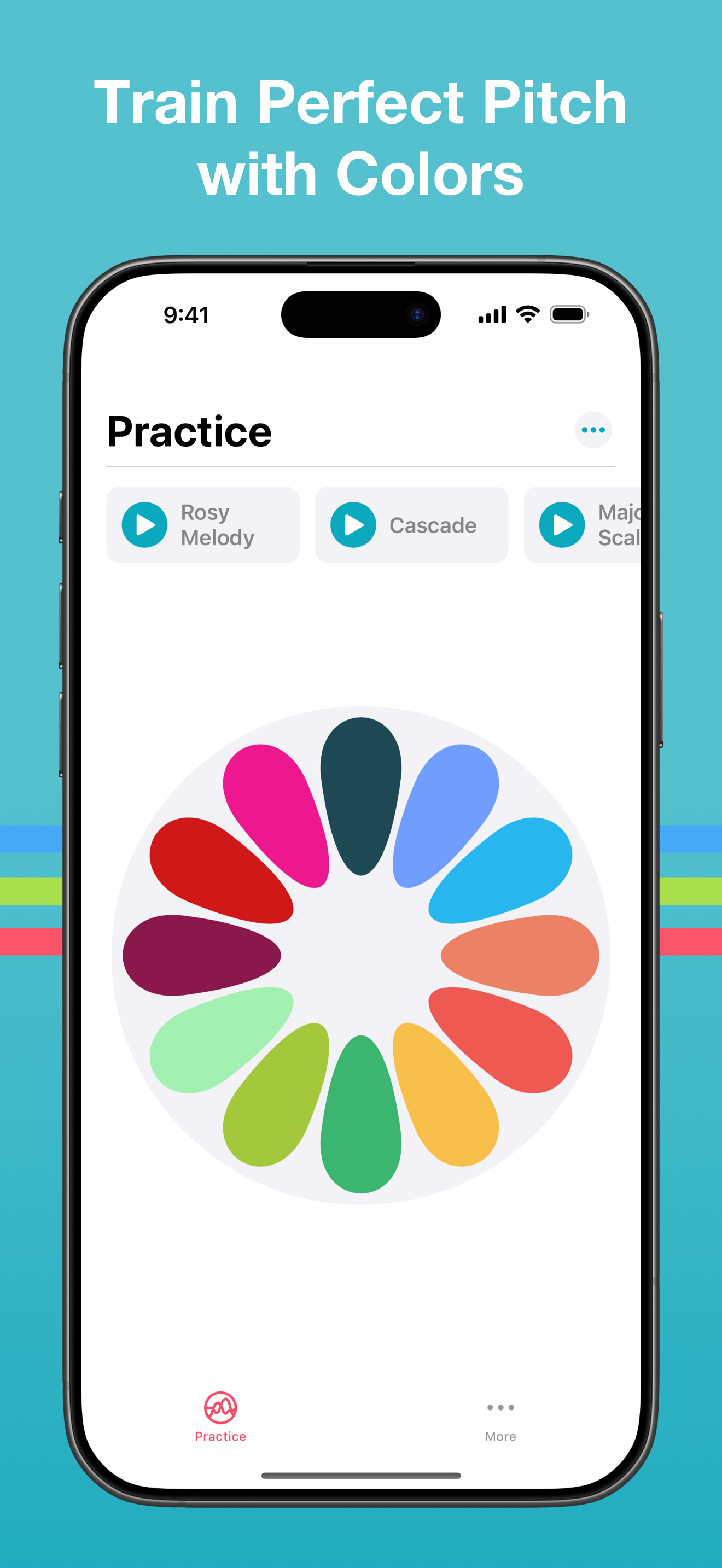
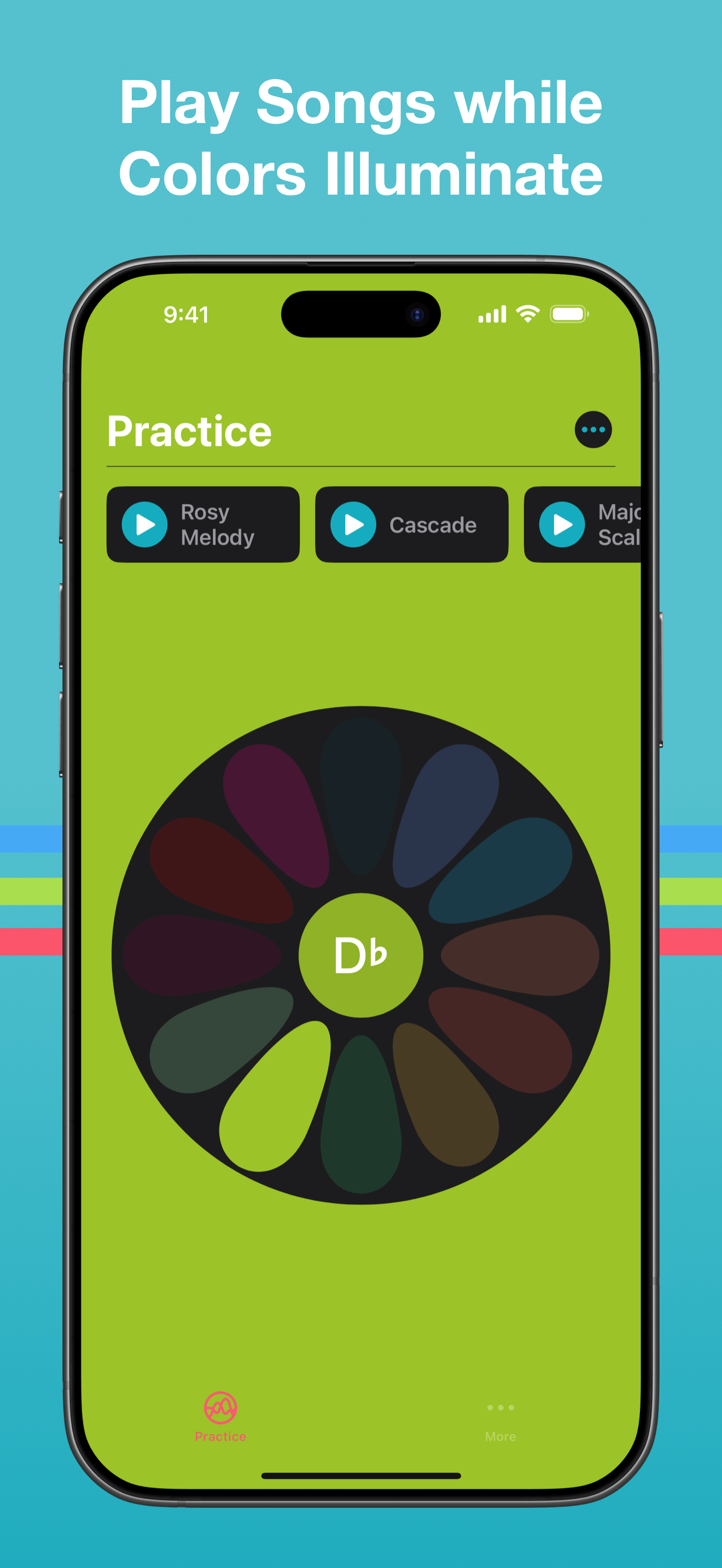
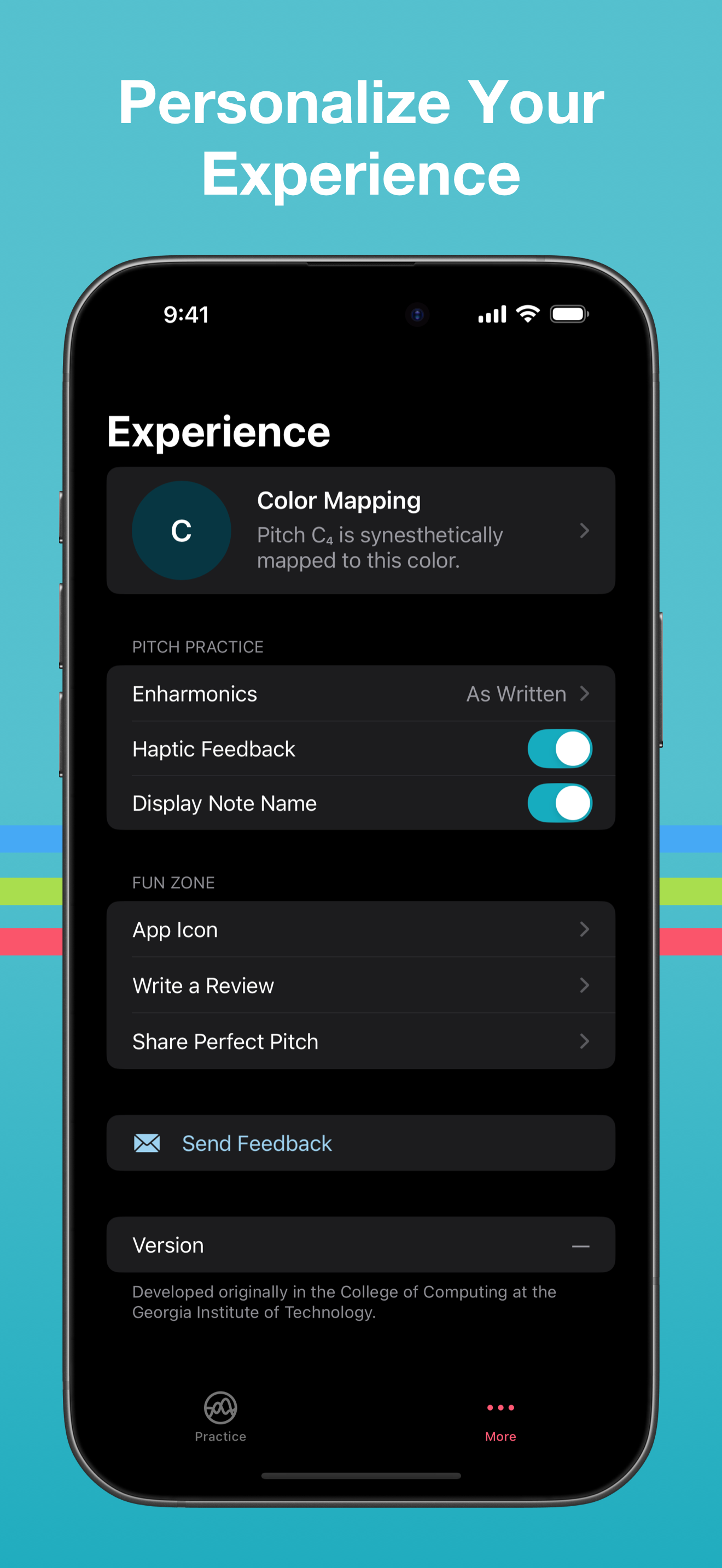
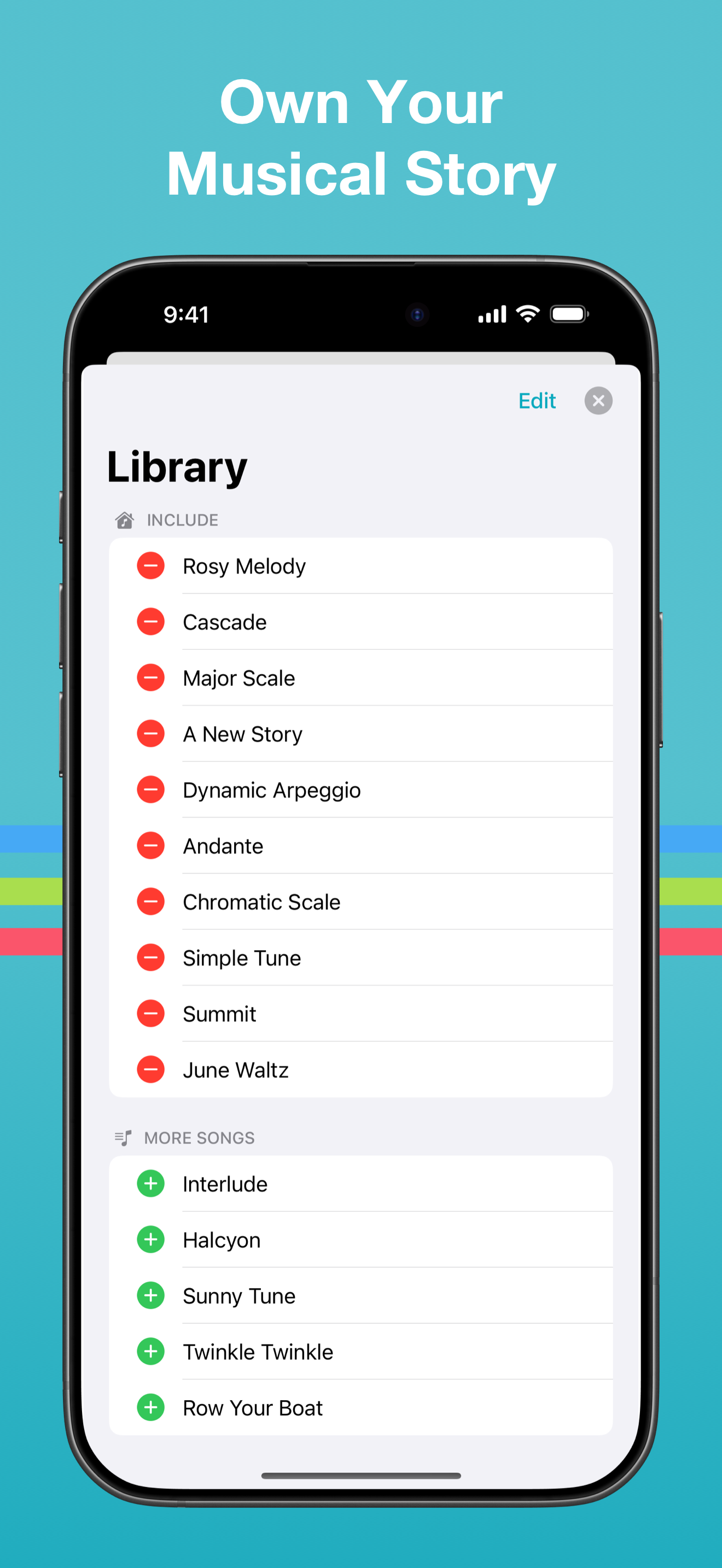
The app is pretty, but relatively simple. All you can do is assign colors to the notes and listen to preset simple scales or melodies that highlight each note and color together as each note plays. Over time, you would probably start to make color associations with the notes and start to "see" the pitches you are hearing like looking at a painting with your ears. But it would be kinda difficult to remember to do it regularly as the experience doesn't really leave you dying to come back to the app tomorrow. It doesn't have any sort of instruction or gamification with things like varying difficulty levels you can work your way through and track your progress and accuracy. These would be nice additions to see, maybe starting with a few notes and the middle of the keyboard, then progressing to more tones and the higher and lower registers. It could also add an option to change the instrument, starting with simple pure sine waves and showing a progression from the simpler timbres like flute to ones with lots of overtones like French horn or a human voice. It could also have an option for pitch recall at the most advanced level where the device can listen to you hum or sing a note and tell you how far off you were from center. If users submit their game play data,the developer could track whether or not people were actually getting better at pitch recognition, and deliver this data to new users so they know what to expect and how much time they would have to dedicate to learning the skill.
Looks promising. But does it work with AirPods? I’ve got mine in and paired but the sound is still coming out of the speaker.
I don’t get it. Why are people saying this is good? It’s just little songs with notes and colors. How long would you have to watch this to get any association between the notes and colors and melodies? I’m guessing it would be way longer than most people would want to listen to these same songs. It doesn’t even have an opportunity for you to see if you’re gaining any pitch recognition. There’s no exercises, no feedback. Just little songs with a strange sounding synthesizer that isn’t even musically pleasing. They’re definitely songs that would keep playing in your mind - ear worms - but you’d have to listen and watch for quite some time to make the pitch association. I mean, quite some time! I have serious doubts this would work. I don’t see any of the reviewers saying, “Yes! Now, I have perfect pitch!” I suspect there’s a reason.
LEARN VIA SYNESTHESIA. Train to gain the coveted ability of perfect pitch through synesthetic associations. Perfect Pitch is designed to capitalize on...