Check the acquisition promise
Read the store headline, screenshots and description. What problem is the app promising to solve?
Study the storefront ↗
Denisha Vadukia · iOS
Explore the ad evidence, study the storefront, and build your next acquisition hypothesis.
01 / Creative research
Read the store headline, screenshots and description. What problem is the app promising to solve?
Study the storefront ↗Explore apps with direct store-link matches. Compare their hooks and formats without assuming the same approach works here.
Browse observed advertisers ↗Store rankings and revenue estimates describe market context. They do not establish ad spend, conversions or ROAS.
Review the market context ↗02 / Storefront & product
Study the product story and store experience behind the acquisition funnel.




03 / Market context
Keep revenue, downloads and store rankings separate from advertising performance.
I signed up for the Hard Plan challenge with a group of friends to feel connected and get back to exercising during the pandemic. While we all appreciated the variety of exercises, we soon discovered that the challenge consisted of doing increased reps, up to numbers like 140 by the end. Even the warmup exercises, which never needed to be increased, were up near a hundred by the end. This program seems to have been designed by a computer, not someone with an education in exercise science. My friends and I could put together a much better program that isn’t nearly as taxing on the legs. There were too many leg exercises! And while many programs promise a workout that only takes a few minutes a day, we were spending up to 45 minutes to get these done - and we even started capping the reps in the second half of the challenge. I wouldn’t recommend this program, but doing a 30-day challenge can be fun with friends. Just find a better one than this.
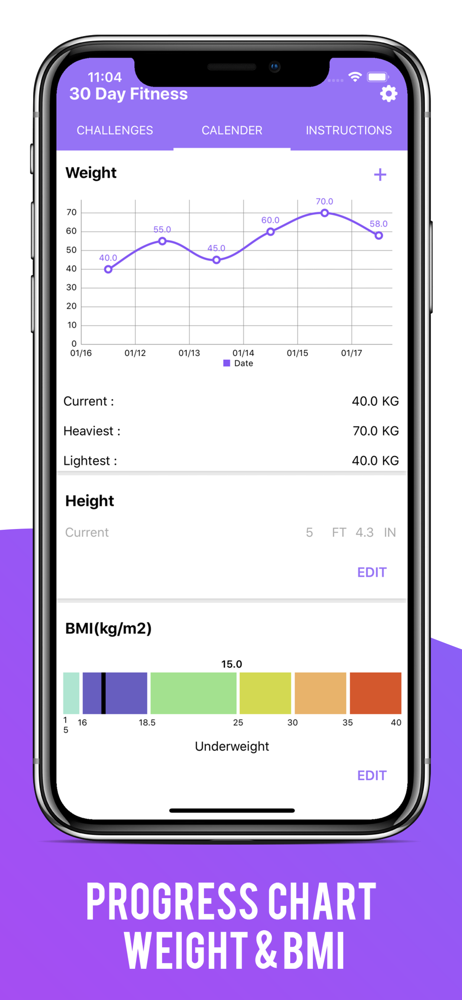
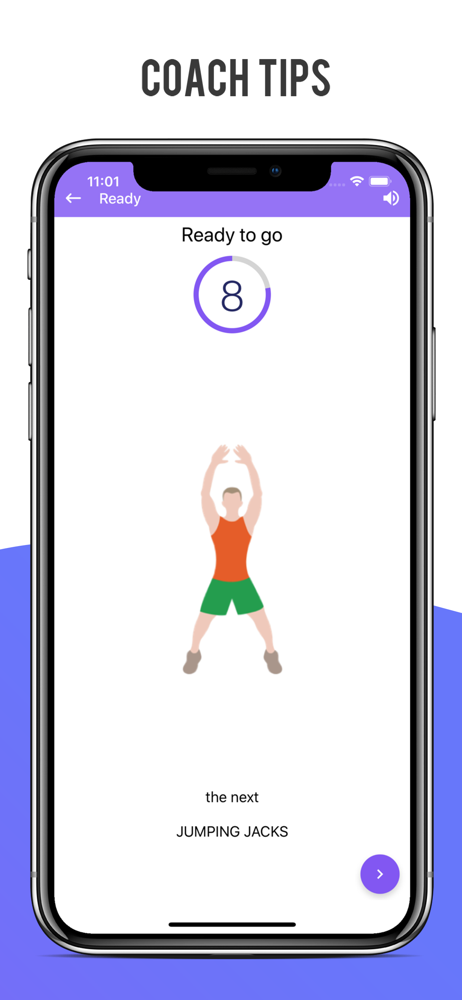
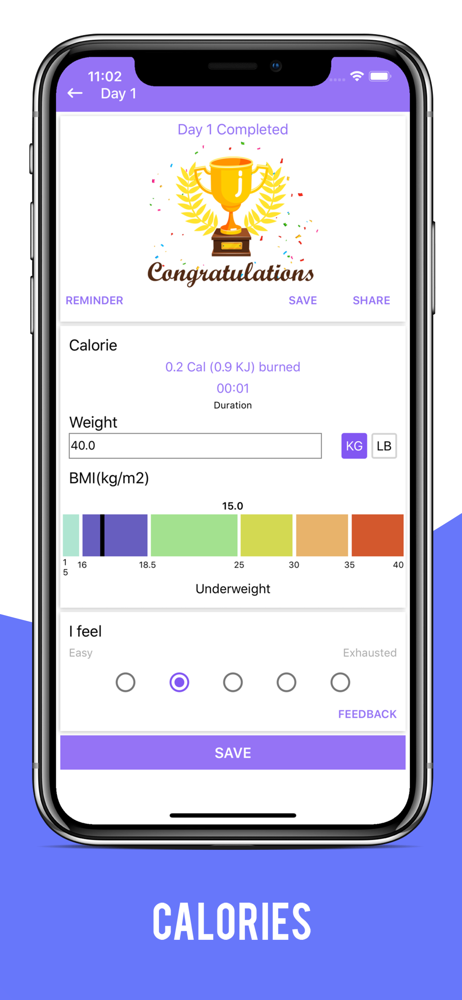
30 Day Fitness Workout has a collection of simple 30-day exercise challenges, where you can set the number of exercises for each day with rest days in...