Check the acquisition promise
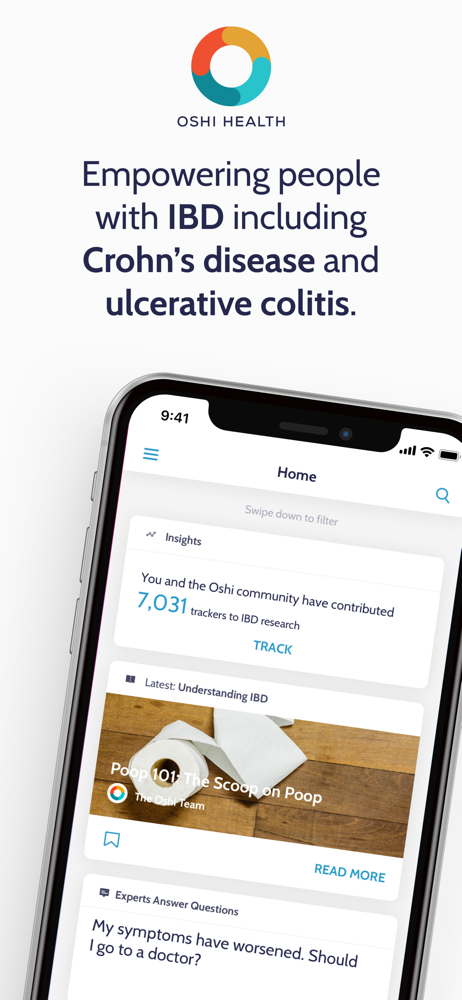
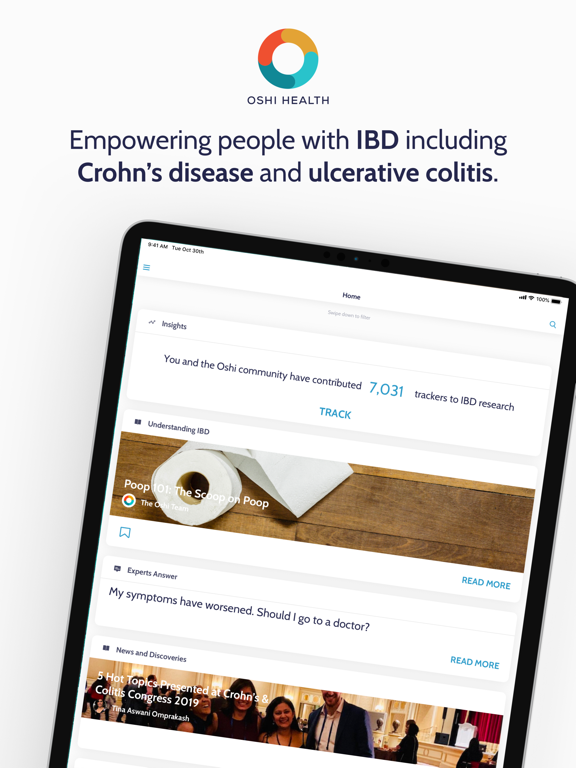
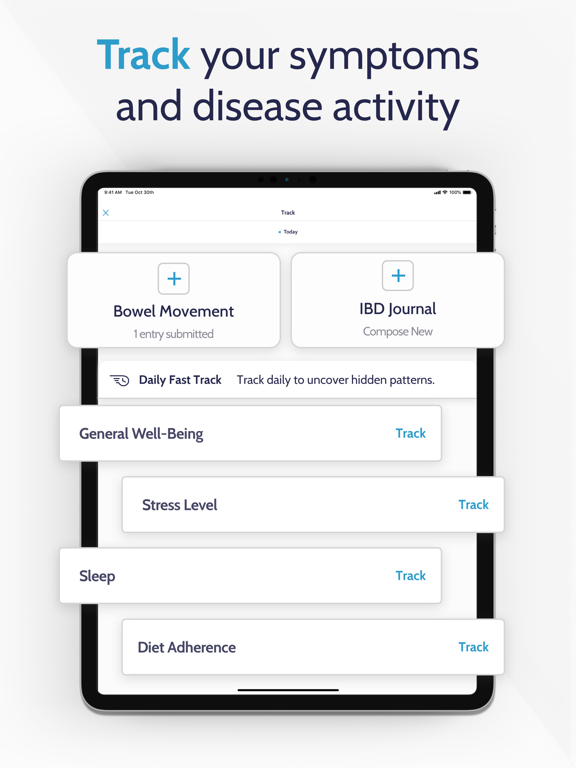
Read the store headline, screenshots and description. What problem is the app promising to solve?
Study the storefront ↗
Oshi Health, Inc. · iOS
Explore the ad evidence, study the storefront, and build your next acquisition hypothesis.
01 / Creative research
Read the store headline, screenshots and description. What problem is the app promising to solve?
Study the storefront ↗Explore apps with direct store-link matches. Compare their hooks and formats without assuming the same approach works here.
Browse observed advertisers ↗Store rankings and revenue estimates describe market context. They do not establish ad spend, conversions or ROAS.
Review the market context ↗02 / Storefront & product
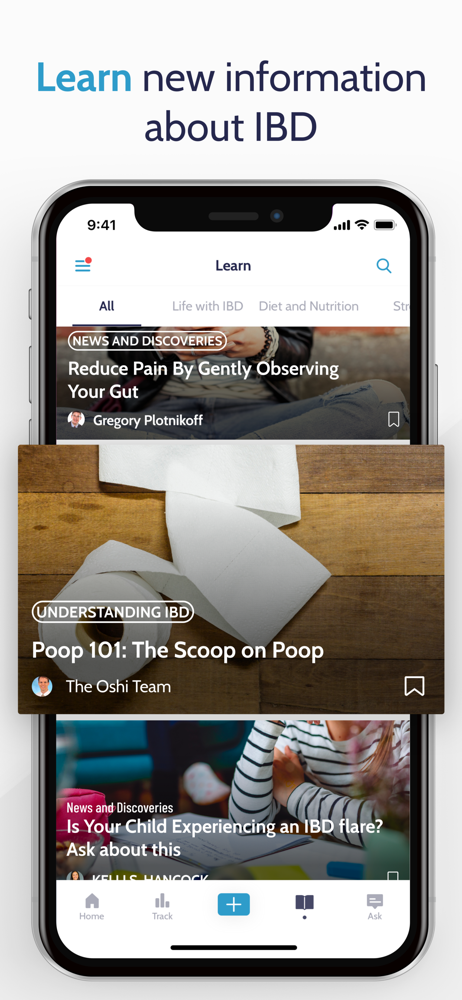
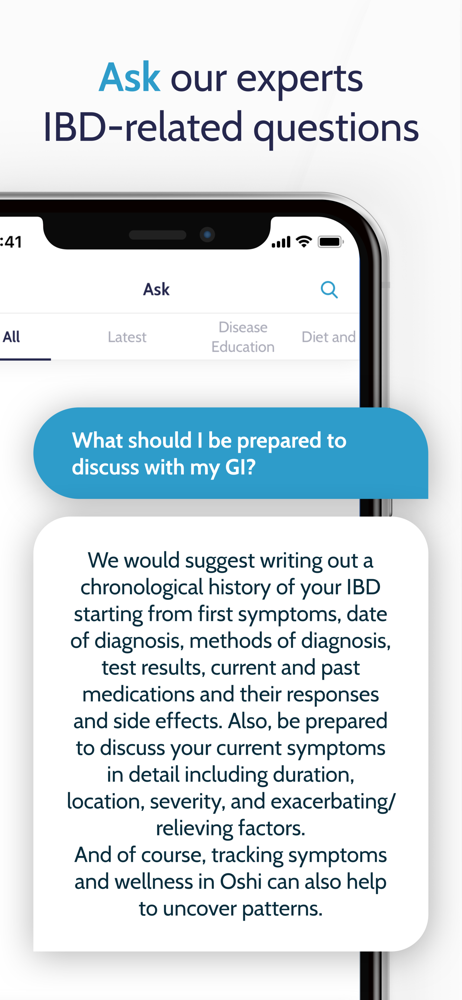
Study the product story and store experience behind the acquisition funnel.


03 / Market context
Keep revenue, downloads and store rankings separate from advertising performance.
This is the best symptom tracker I’ve found. Most of the other options are either too narrow, not built for chronic GI stuff, or clunky and buggy. However, this still isn’t a super intuitive app (i.e. having to enter a completely different menu to add more than one medication). But definitely the best in a overall sub-par field. Biggest complaint I have is that I can’t add other symptoms to track- bloating, headache, ect.— or at least I haven’t been able to figure it out yet. Other improvements include better integration for other health trackers like smart watches and Apple Health (ie automatically uploading sleep and exercise), and more extensive in-app food journaling.
I just started using the app, and it seems useful so far, but my only immediate concern is that it doesn’t let me enter more than one medication. I have multiple that relate to my UC and need to track all of them, not just one. Update: I recently found another issue that needs to be fixed. On the daily symptom tracker there is the following question: “How well do you feel your disease is under control?” This is on a scale of zero to ten. The wording of the question itself insinuates that zero is something like “completely out of control” and ten is “completely in control”. Now keep for the scale is provided to suggest otherwise. However, in the long-term symptom tracker questionnaire, it has the exact same question, but this time it provides a key for the scale that is the exact opposite of how the question is worded (i.e. zero is “no disease activity” and ten is “worst disease activity “). This is poorly edited and confusing. If the app eventually starts being used for reporting tracking info to doctors, we’ll be barreling towards a misunderstanding.
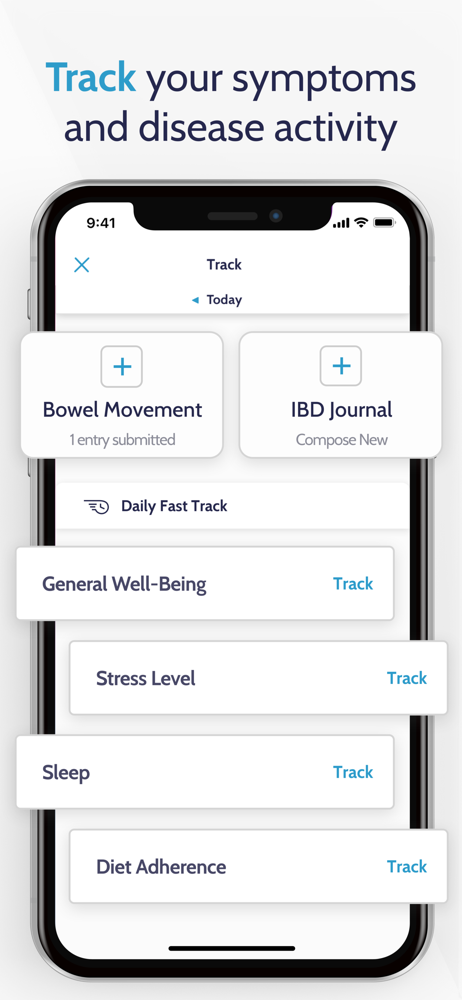
I have been suffering from Crohn’s since 2009 and I am thrilled that such a usable, convenient and free resource exists. Oshi has taken guidance from IBD patients by listening to their requests and suggestions. As well as consulting with various health professionals and offering Q&A style questions answered by Physicians and GI’s. As a Crohn’s patient, I am adamant about tracking. I love looking at the numbers, tracking trends, seeing results and correlating why I might be feeling a specific way. Oshi allows you to track nutrition, fitness, stress, sleep and symptoms within the app to better manage your health and overall well-being. It simplifies and streamlines exactly what I’ve been doing subconsciously for over 9 years since I was diagnosed. I just wish I had something like this when I was first diagnosed, it would have made the transition much smoother. I can’t wait to see what the future brings by blending the latest technology with health! Thank you Oshi
Your lifestyle - including stress, diet, sleep, and exercise - may affect IBD symptoms and well-being. Keeping track of these factors - and finding re...