Check the acquisition promise
Read the store headline, screenshots and description. What problem is the app promising to solve?
Study the storefront ↗
TOON,LLC · iOS
Explore the ad evidence, study the storefront, and build your next acquisition hypothesis.
01 / Creative research
Read the store headline, screenshots and description. What problem is the app promising to solve?
Study the storefront ↗Explore apps with direct store-link matches. Compare their hooks and formats without assuming the same approach works here.
Browse observed advertisers ↗Store rankings and revenue estimates describe market context. They do not establish ad spend, conversions or ROAS.
Review the market context ↗02 / Storefront & product
Study the product story and store experience behind the acquisition funnel.


03 / Market context
Keep revenue, downloads and store rankings separate from advertising performance.
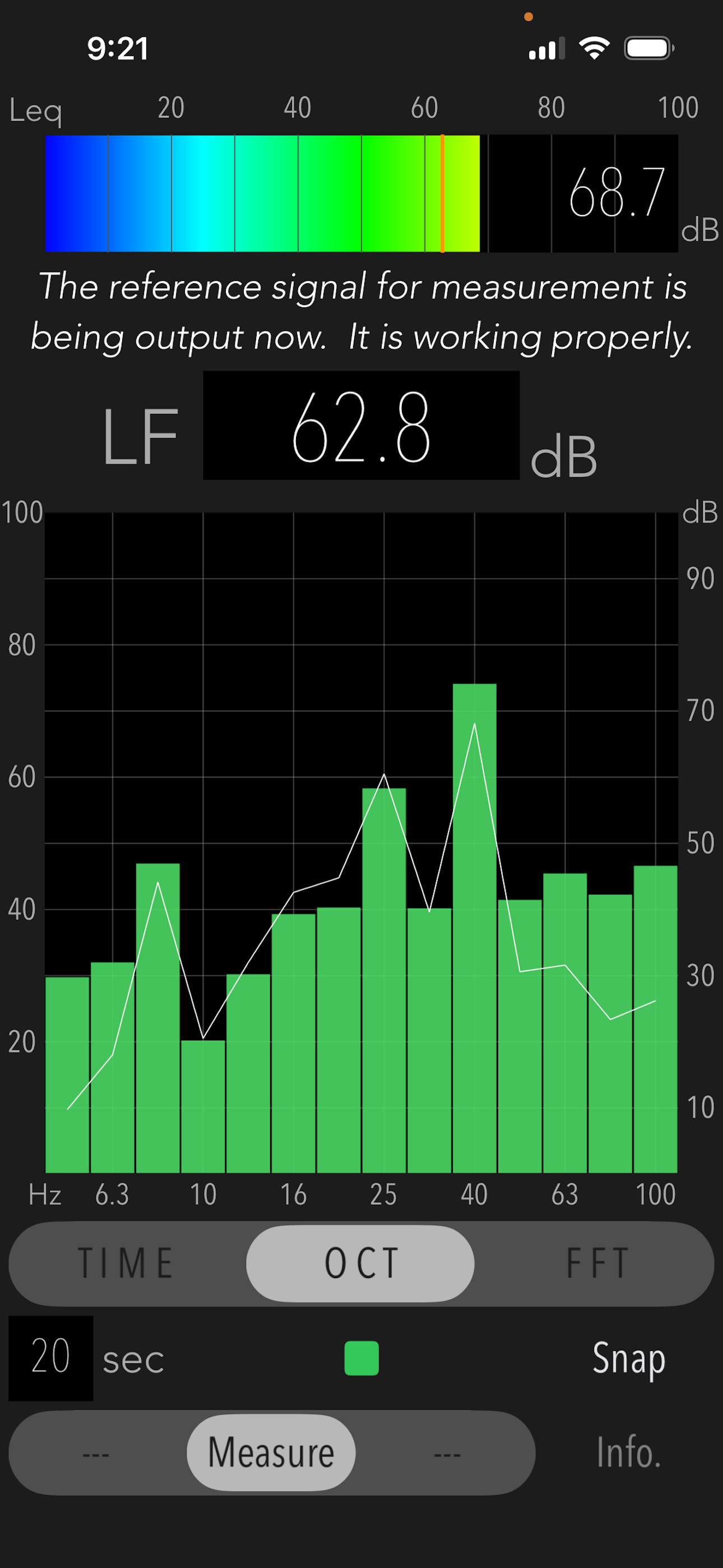
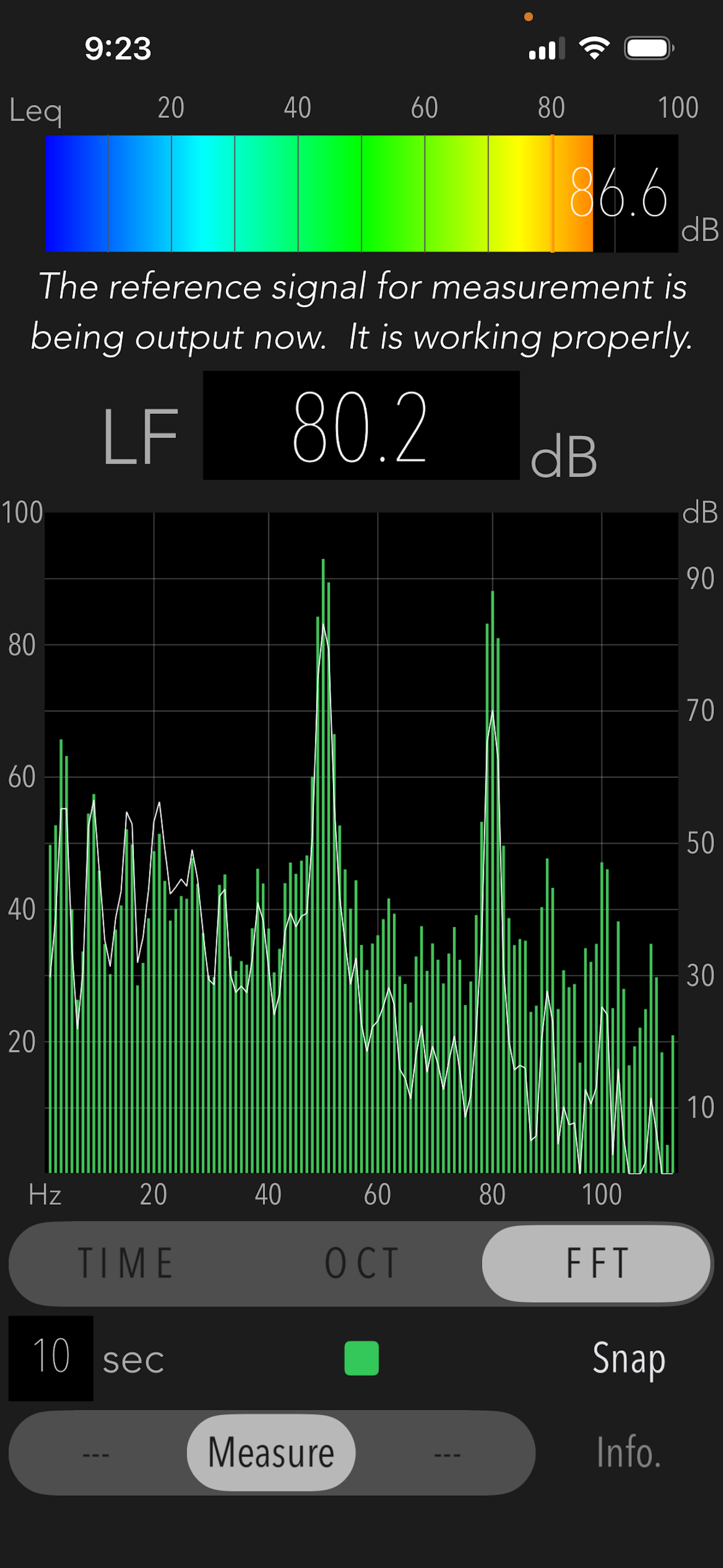
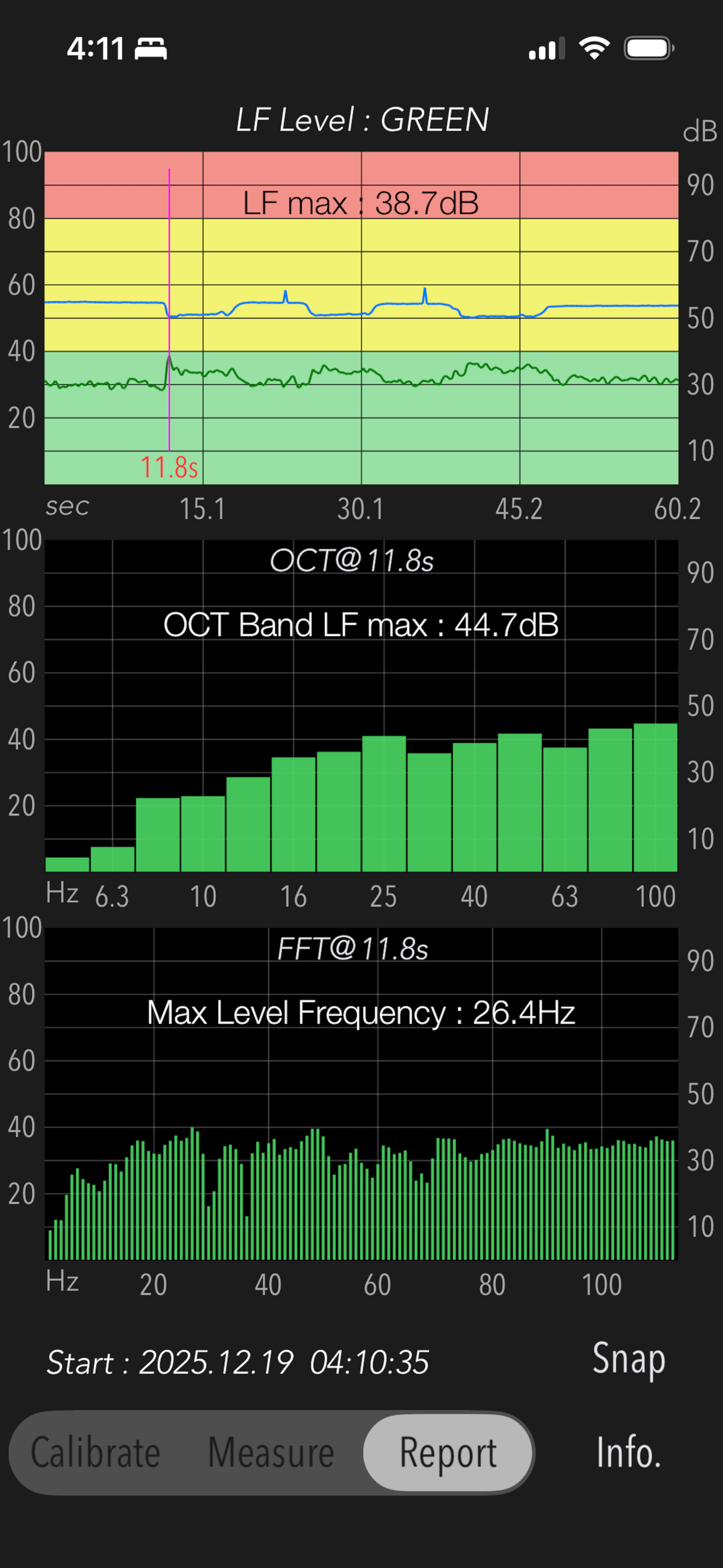
This app had a slight learning curve, but it’s well designed to lead one through what to do. It’s easily well-calibrated enough for my purposes, and getting it to work with the tiny iPhone mic was ingenious. Extremely worth the value. Update: I realized after I wrote the above that it almost looks like a fake review. I’m a meditator who is very sensitive to sound in the environment. LF sound is hard to localize, but I was able to use this app, in addition to my other senses, to walk around and eventually find many intermittent LF sources in my vicinity, made easier by the multimodal sharp peaks in the FFT when I got closer to and farther from different sources.
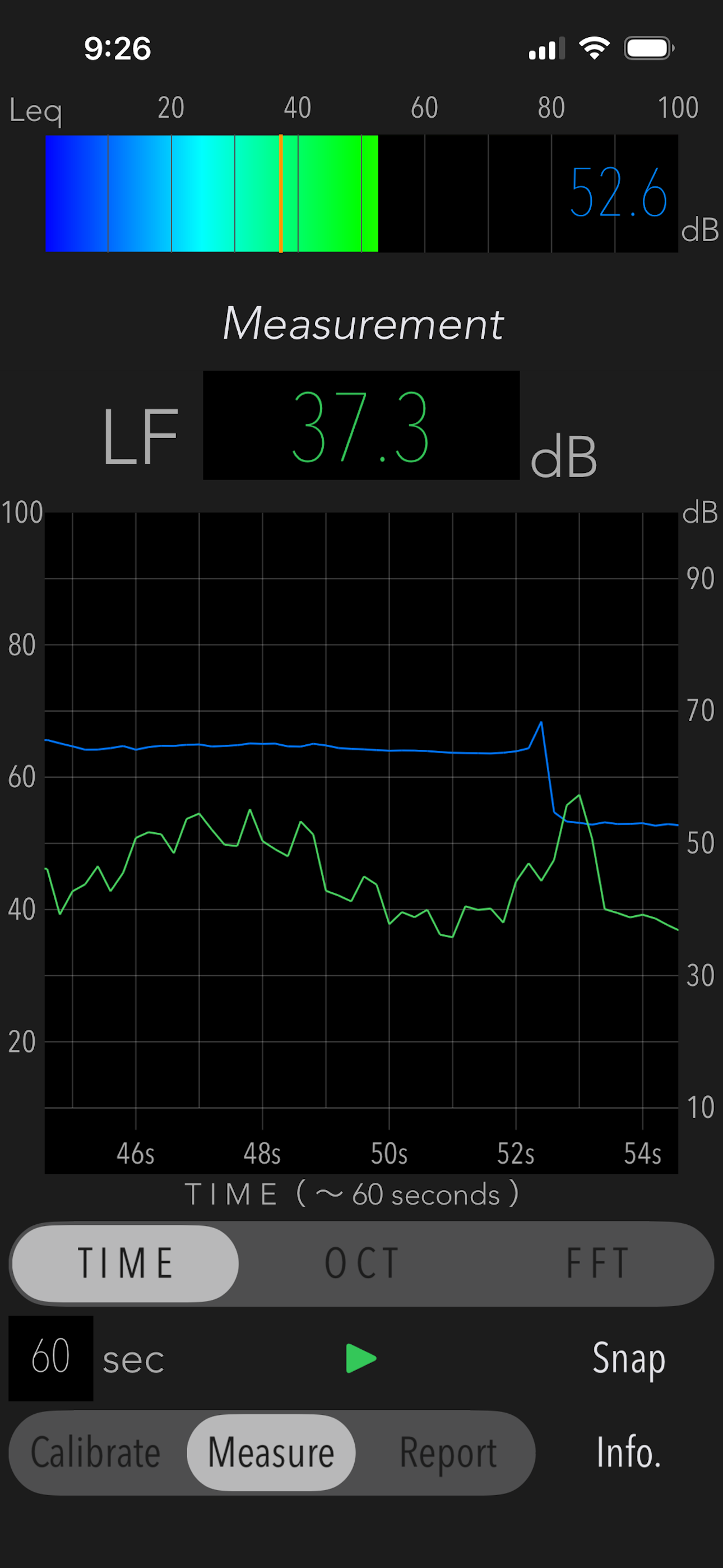
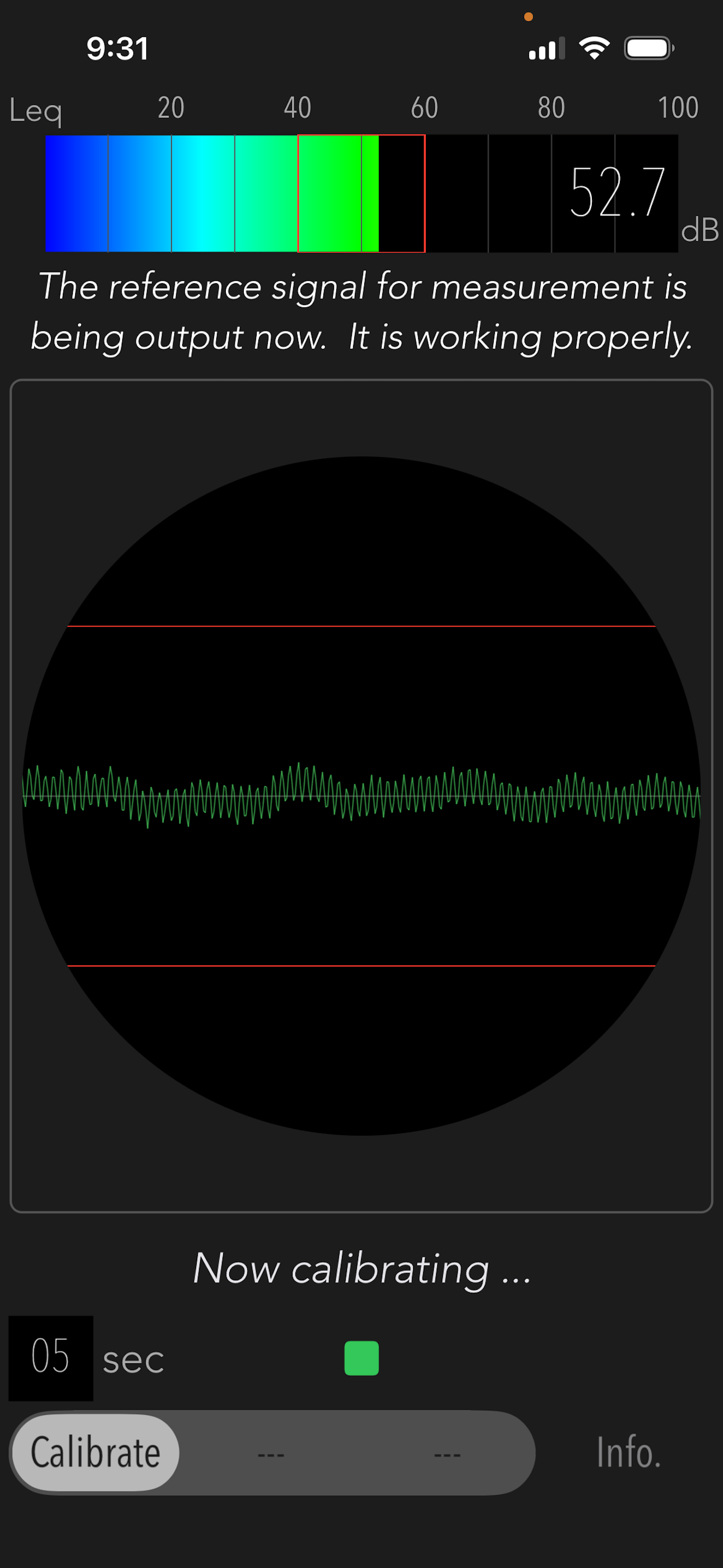
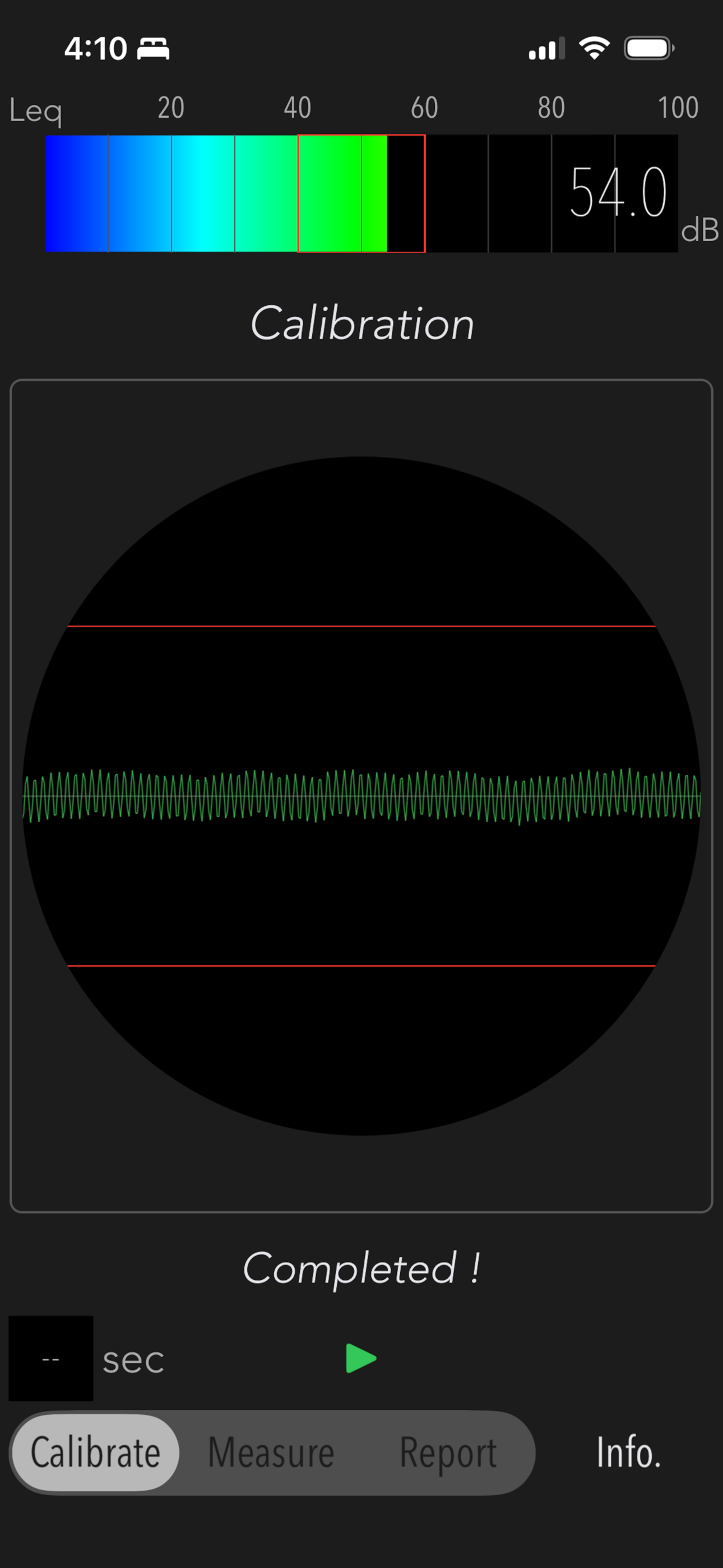
This app isn’t as intuitive as other noise detection apps. You have to tune it first by adjusting the volume on your phone, as it sends out a reference signal. The other thing that is not intuitive is it doesn’t show you a live readout of decibels versus frequency like some of the other apps. You have to essentially push “record” and it takes a reading over 60 seconds, then push another button to get the report. I’m giving it four stars though because it seems pretty accurate. When I’m sensing my neighbor’s bass, it reflects in the report as well (the report shows you the decibels versus frequency and is color-coded to reflect low, medium, or high noise levels), and when I’m not sensing it, it reflects that too.
It cannot detect 120 Hz or above because it is outside the range, and 20 Hz and below seems to get lost in the background noise. Both 30 Hz and 110 Hz are detected.
"Low Frequency Detector" is a new acoustic measurement tool for detecting low-frequency sounds that is hard to hear in normal situation. The human e...