Check the acquisition promise
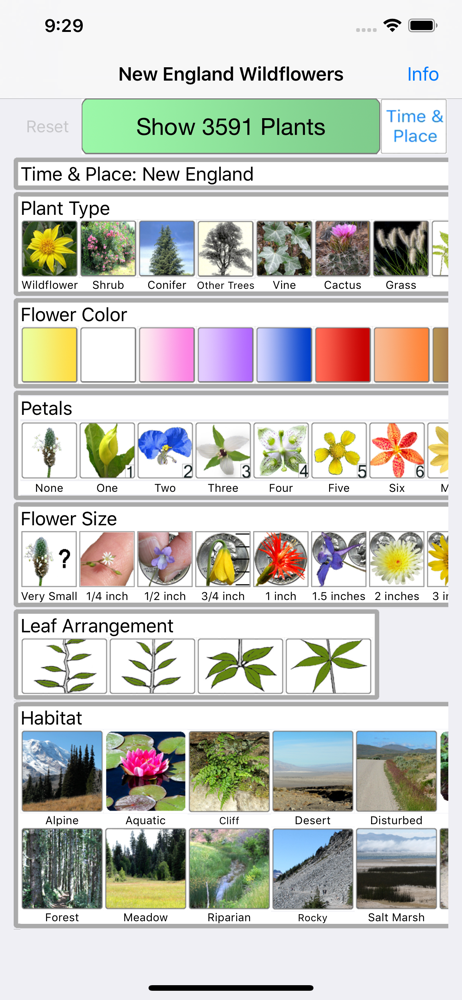
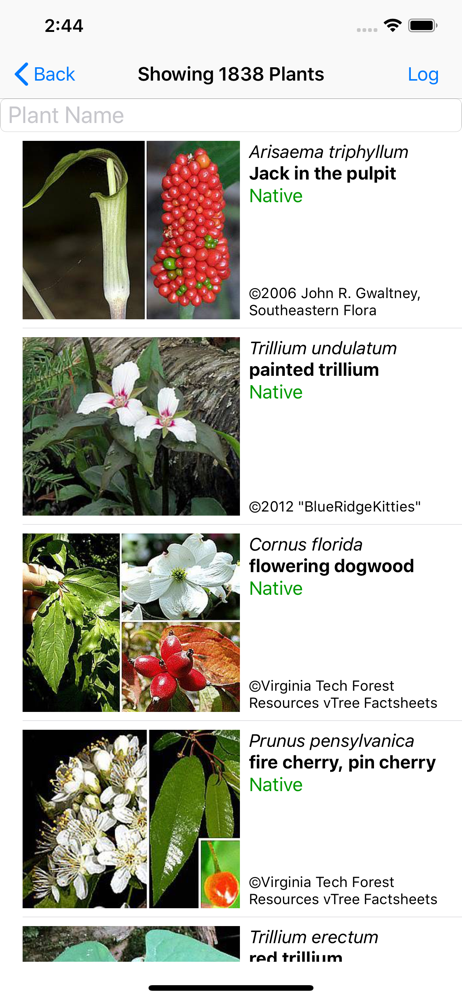
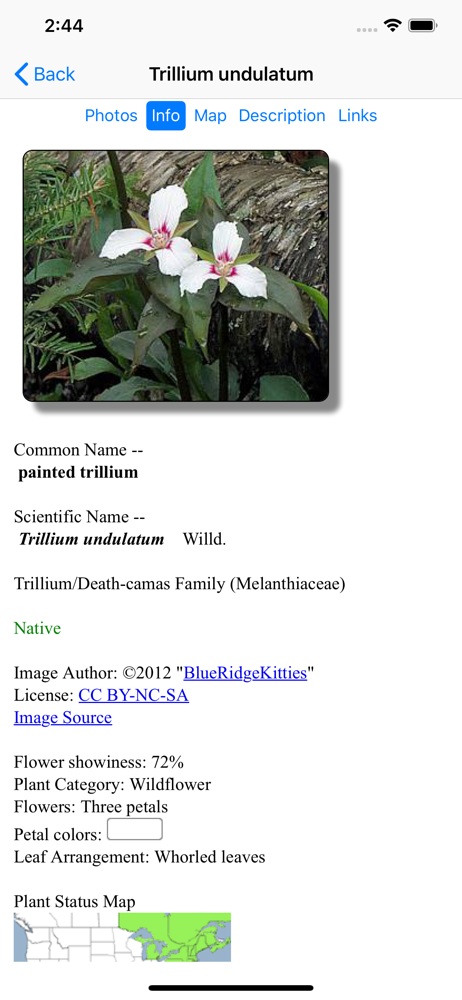
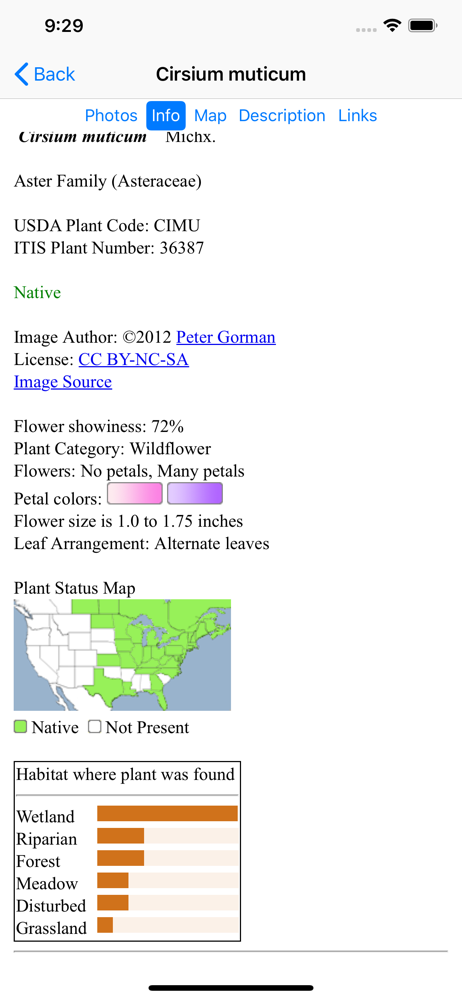
Read the store headline, screenshots and description. What problem is the app promising to solve?
Study the storefront ↗
Wildflower Search · iOS
Explore the ad evidence, study the storefront, and build your next acquisition hypothesis.
01 / Creative research
Read the store headline, screenshots and description. What problem is the app promising to solve?
Study the storefront ↗Explore apps with direct store-link matches. Compare their hooks and formats without assuming the same approach works here.
Browse observed advertisers ↗Store rankings and revenue estimates describe market context. They do not establish ad spend, conversions or ROAS.
Review the market context ↗02 / Storefront & product
Study the product story and store experience behind the acquisition funnel.

03 / Market context
Keep revenue, downloads and store rankings separate from advertising performance.
You can have all your inaccurate photo ID apps! I want THIS app! This is the most accurate app I have found for what I need. I have the Maine one too, even though it’s marked obsolete in the app store, I’m glad it’s still available! And they are completely FREE! I learn my plants better using this because you are taking notice of characteristics important about the plants. It’s better than any other app I have found for quick IDs in the field, and once you ID there’s time later for more in-depth study at home. The only thing I can think to make it better for me, would be to either be able to add favorite plants to my own list and save my own notes and/or locations on specific plants. Thank you devs for a very awesome app!
⭐️⭐️⭐️⭐️⭐️⭐️⭐️⭐️⭐️⭐️⭐️ More useful than any field guide book I’ve ever purchased. This may not be set up precisely the way a professional academic flora guide is set up, but it works just fine on your phone when you’re trying to figure out a plant ID. If you’re a professional botanist you probably don’t need one of these anyway. If you just want to be able to pull your phone out of your pocket and find out what that plant is then you’re in the right place. Then you can use the awesome built in glossary reference on the description tab to sound like a professional botanist, or at least understand what you read. If you know (or think you know) a plant’s genus, species, or common name you can type it in and even a part name will bring up match results to check against. Make sure you check out the info tab so you can learn how to create logs. This app is so intuitive that you can jump right into IDs without instructions, but there’s a bit more in there and it doesn’t jump out at you. —— Developer: I love this app, but I’ve been using it for a while now without knowing I could log and send in data. I’d suggest a quick tutorial or a red notification dot, otherwise that might go unnoticed. The instructions are quite clear once you do notice them. Please add a way to sort the full database by family, that’s all that’s missing. (Unless you feel like moving on to insects🤞) Thank you! You’ve brought this autodidact a great deal of enjoyment!
I’m a volunteer docent at a local natural area. I take people on guided walks identifying native and naturalized plants. I recommend this app to everyone. Still I wish the plant descriptions were organized in such a way that it was easy to locate the descriptions of each aspect of the plant’s morphology (leaf, flower, leaf arrangement etc) as well as some interesting facts about the plant. Understanding that this is a cooperative effort this might be difficult to take on. I’m also noticing that some plants are missing.
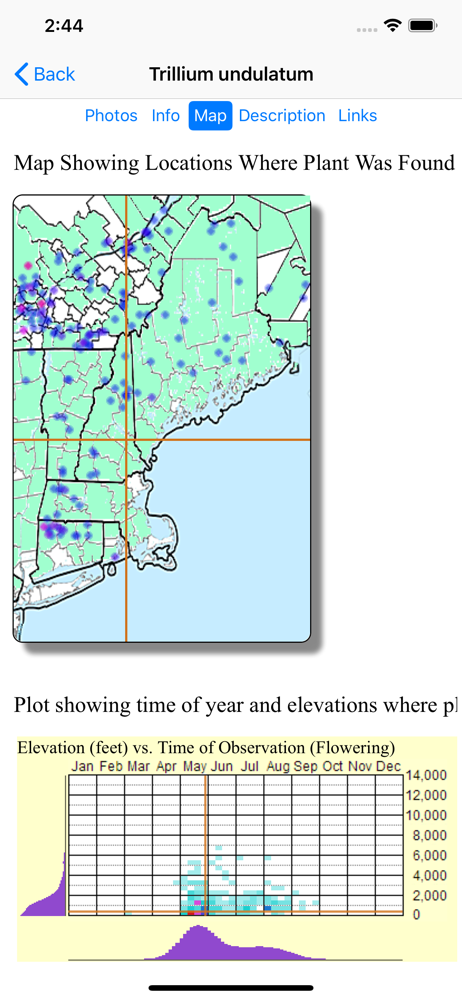
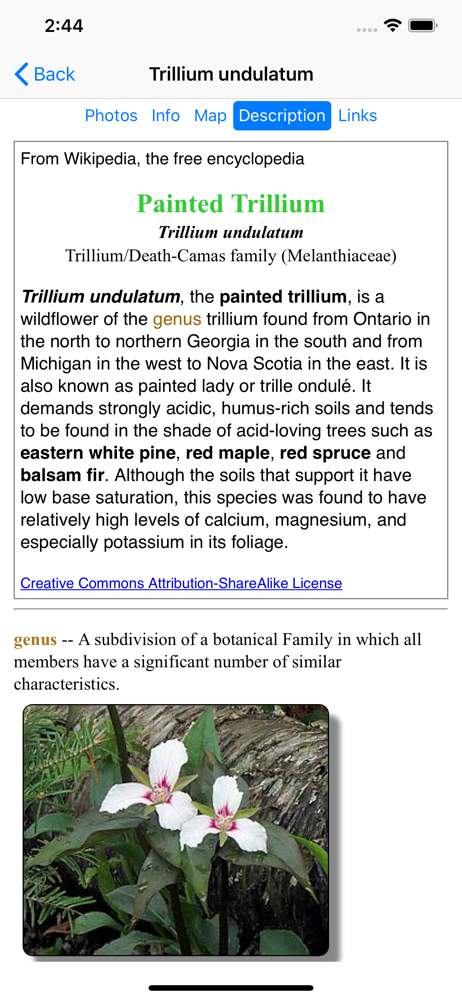
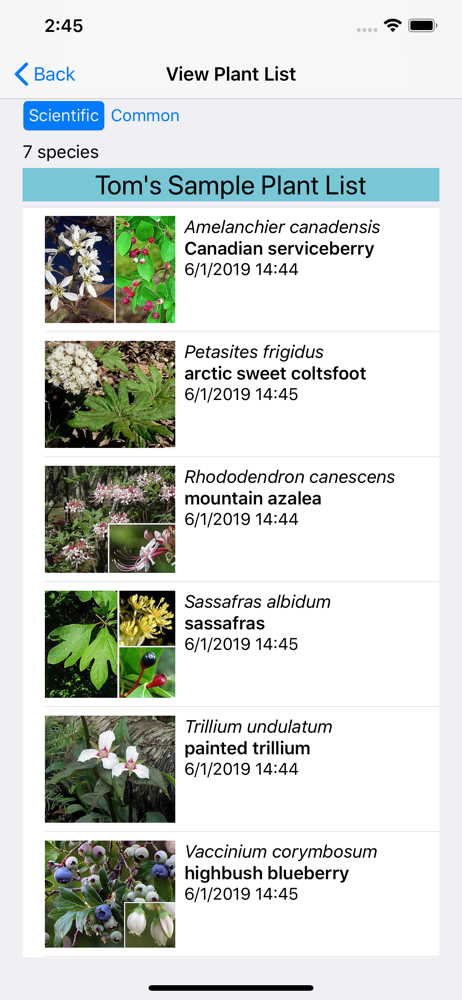
This App, which operates without an internet connection, helps you find and identify plants. When you give the App information about a plant, such as...