Check the acquisition promise
Read the store headline, screenshots and description. What problem is the app promising to solve?
Study the storefront ↗
FabFilter · iOS
Explore the ad evidence, study the storefront, and build your next acquisition hypothesis.
01 / Creative research
Read the store headline, screenshots and description. What problem is the app promising to solve?
Study the storefront ↗Explore apps with direct store-link matches. Compare their hooks and formats without assuming the same approach works here.
Browse observed advertisers ↗Store rankings and revenue estimates describe market context. They do not establish ad spend, conversions or ROAS.
Review the market context ↗02 / Storefront & product
Study the product story and store experience behind the acquisition funnel.

03 / Market context
Keep revenue, downloads and store rankings separate from advertising performance.
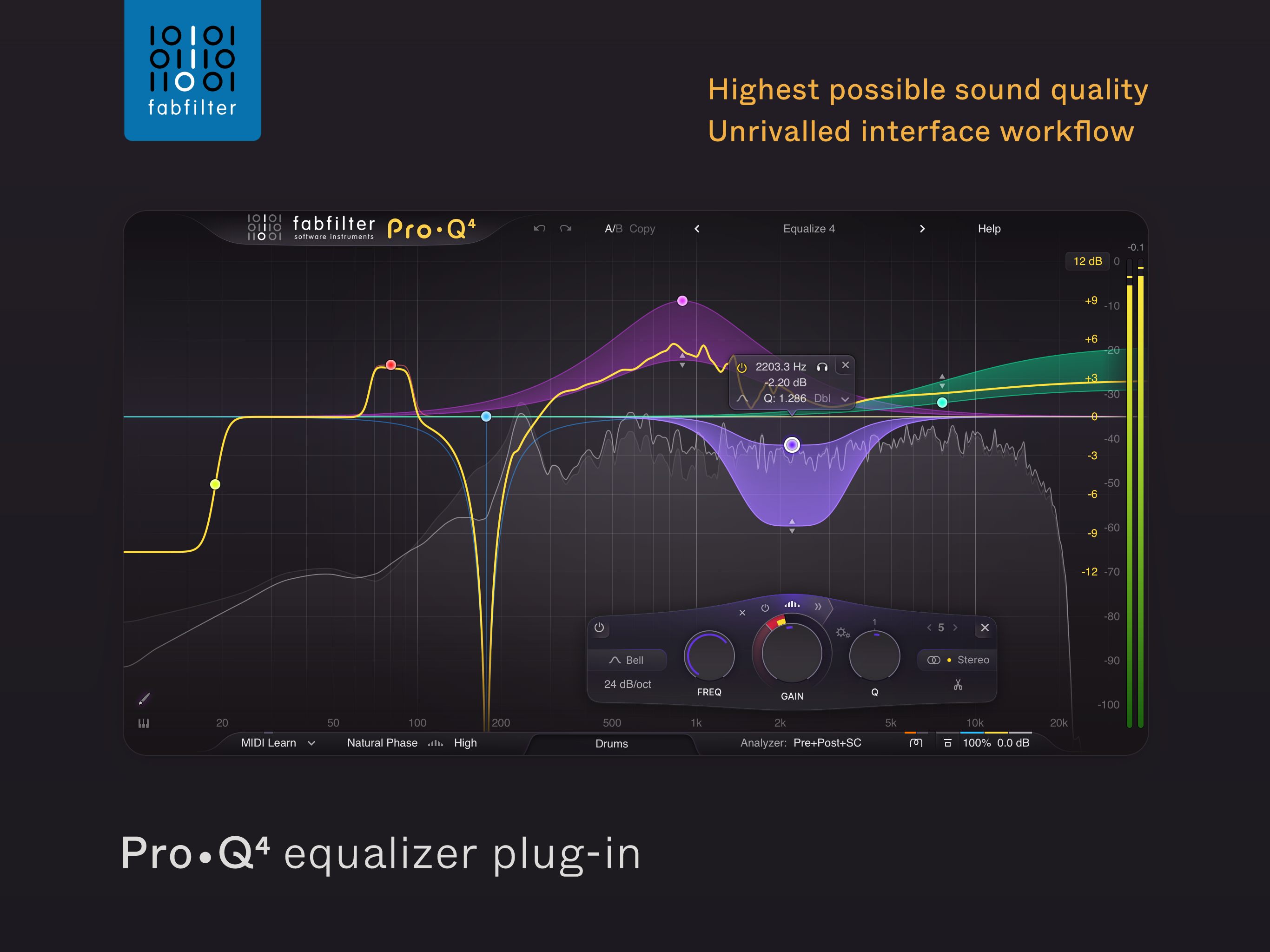
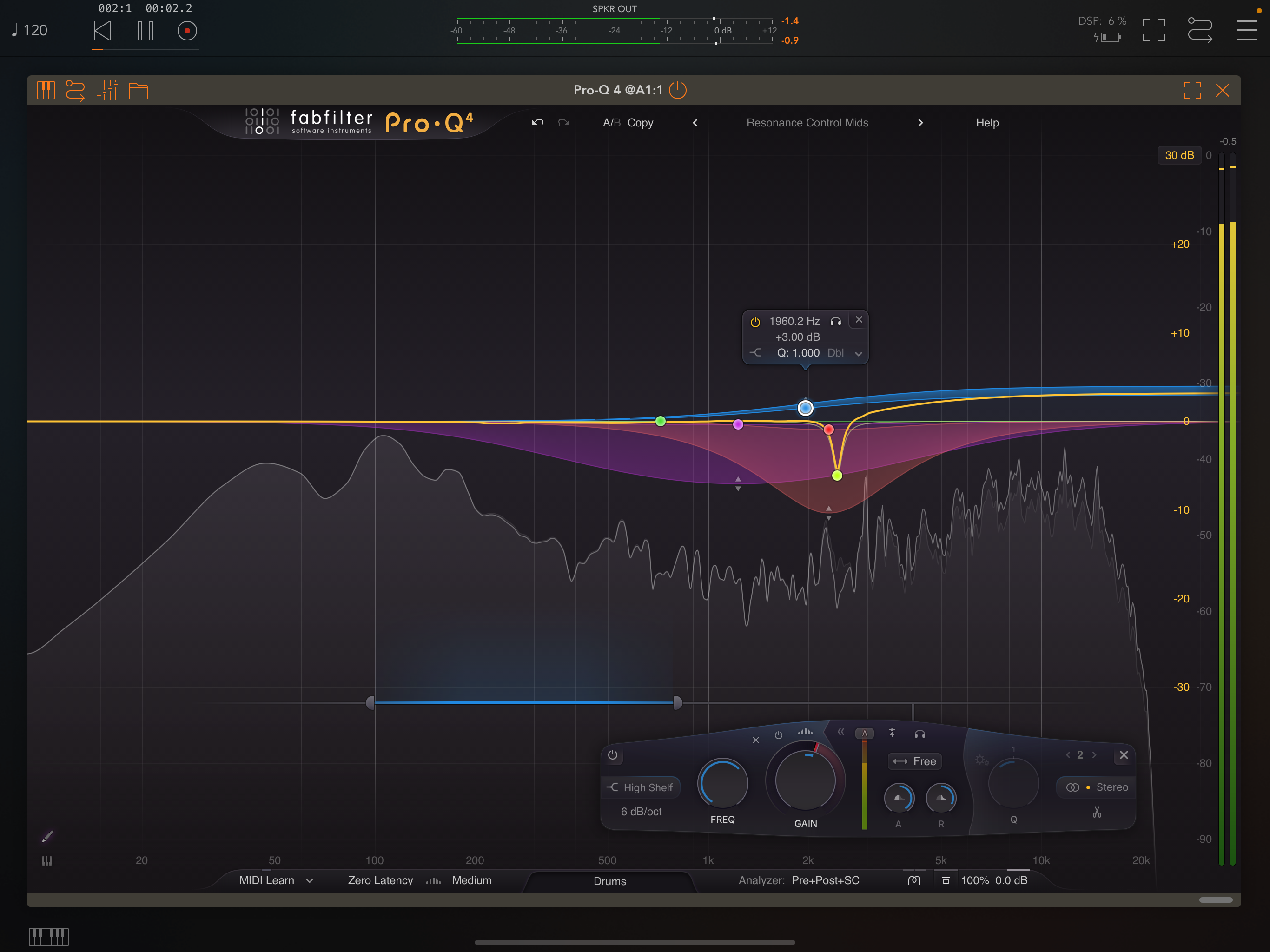
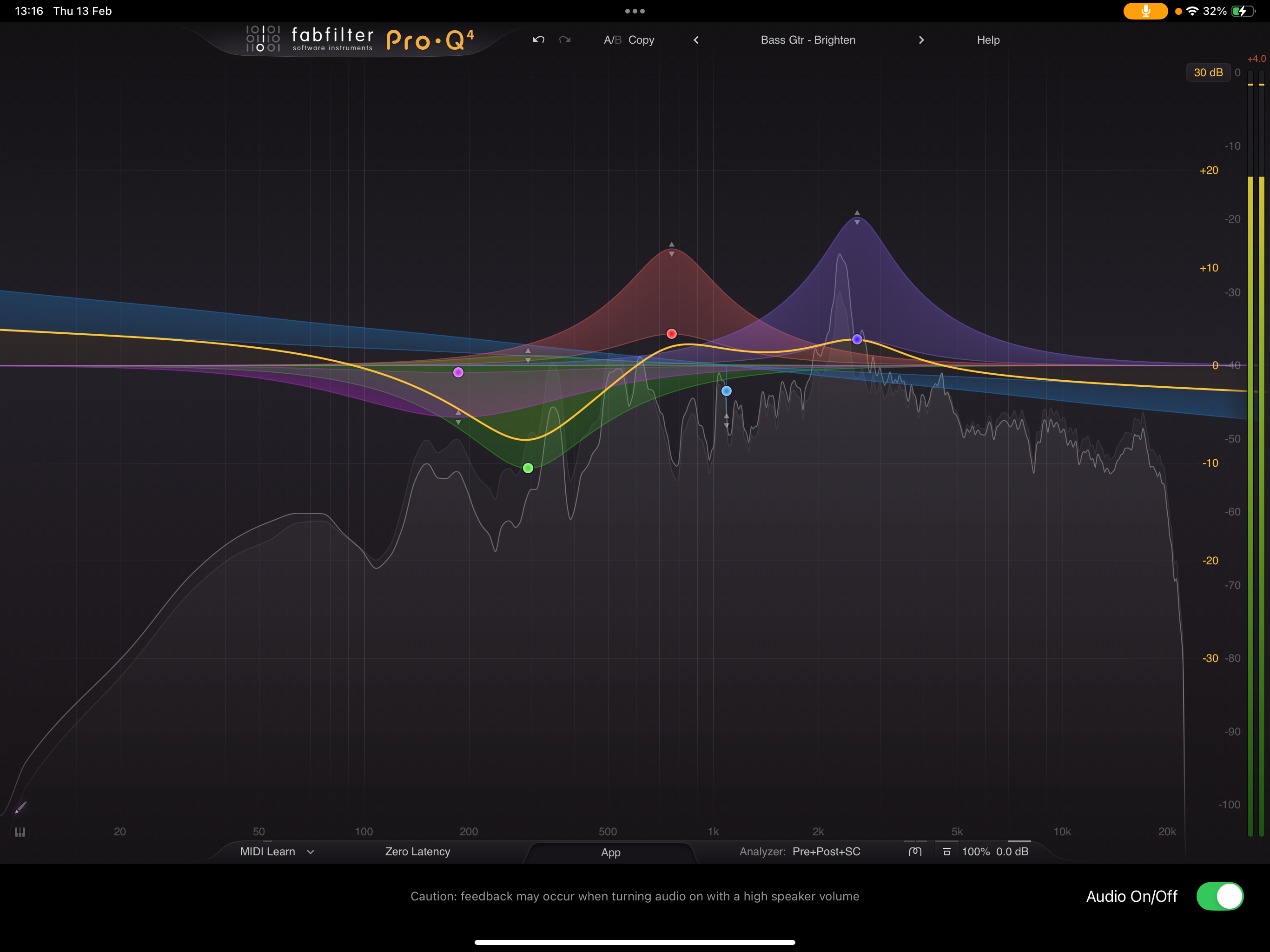
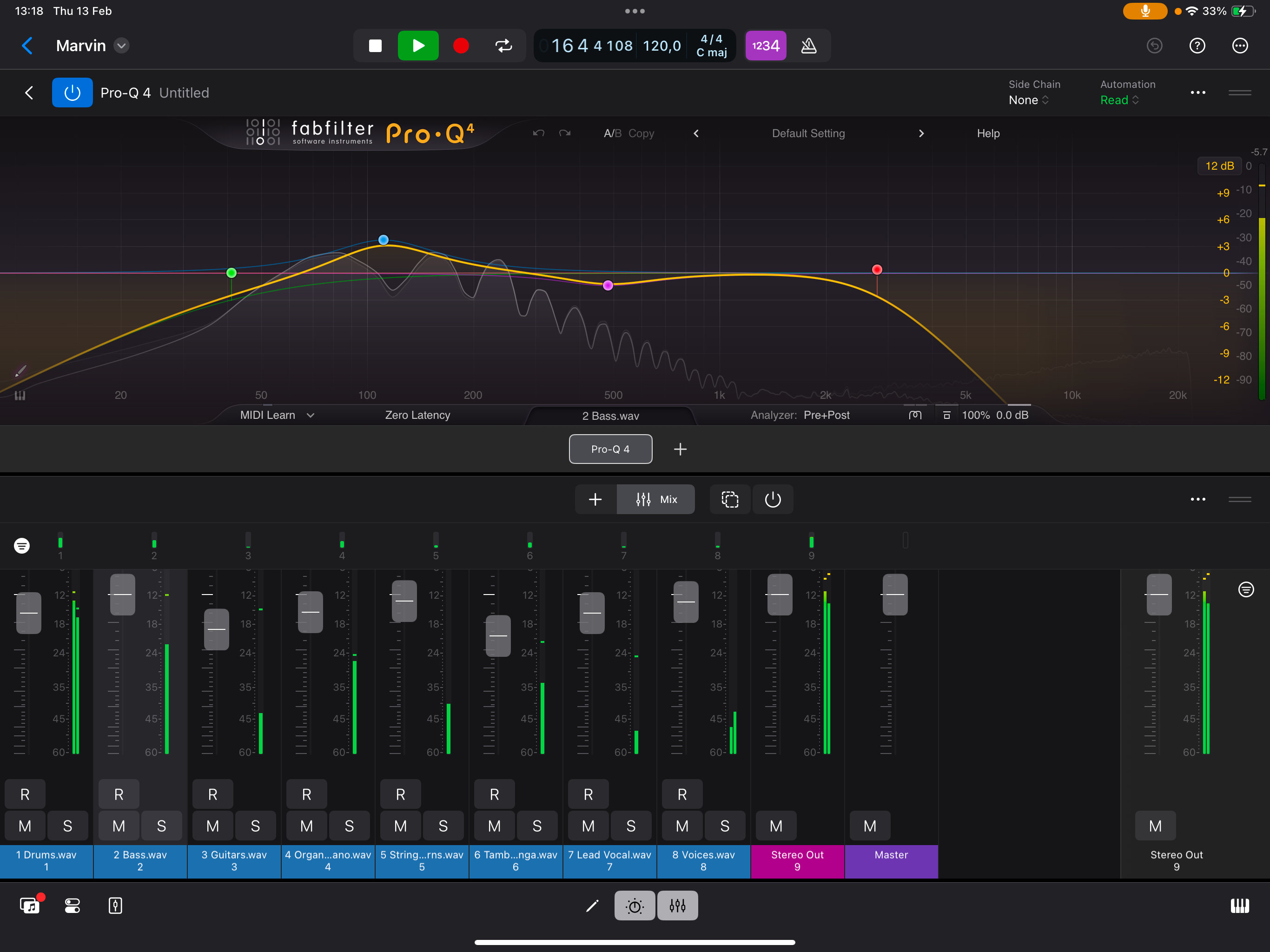
I was looking for an upgrade from Logic Pro’s stock EQ plug in, which is fine, but I was coming into some limitations with the band count. I heard all the pros use pro q-4 and on iOS for 30$ that’s a complete steal. So I got it, and boy was it an upgrade. Not only is it an EQ, but a multi-band compressor, and even has options for saturation too! This plug in has gone above and beyond my expectations and I can’t go a day in the studio without using it. Nice work FabFilter.
Plugin is desktop sound, auv3 has no multitouch, huge disappointment
I love all of fabfilter plugins (including this one) however it doesn’t work best in Logic Pro for iPad. Strains the software and lags the program especially using the new dynamic EQ feature. (It functions different than the pro Q3 previous plugin.) I’ll add that I have the newest iPad at its maximum capabilities. 4 stars.
FabFilter Pro-Q 4 is a top-quality EQ plug-in with up to 24 bands, perfect analog modeling, dynamic EQ, linear phase processing, and a gorgeous interf...