Check the acquisition promise
Read the store headline, screenshots and description. What problem is the app promising to solve?
Study the storefront ↗
University of Wisconsin Nutrient and Pest Management Program · iOS
Explore the ad evidence, study the storefront, and build your next acquisition hypothesis.
01 / Creative research
Read the store headline, screenshots and description. What problem is the app promising to solve?
Study the storefront ↗Explore apps with direct store-link matches. Compare their hooks and formats without assuming the same approach works here.
Browse observed advertisers ↗Store rankings and revenue estimates describe market context. They do not establish ad spend, conversions or ROAS.
Review the market context ↗02 / Storefront & product
Study the product story and store experience behind the acquisition funnel.



03 / Market context
Keep revenue, downloads and store rankings separate from advertising performance.
Good app, saves time. Took a few tries to figure out how it worked. Best of all it was FREE!
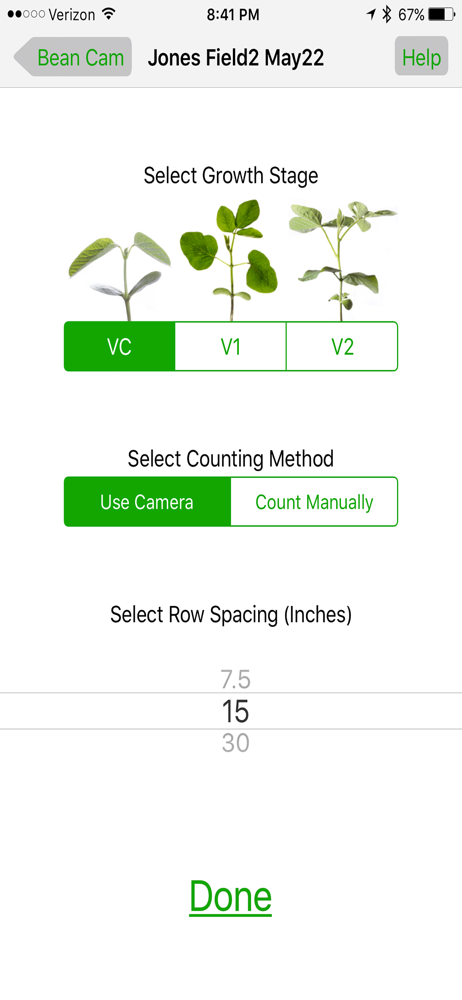
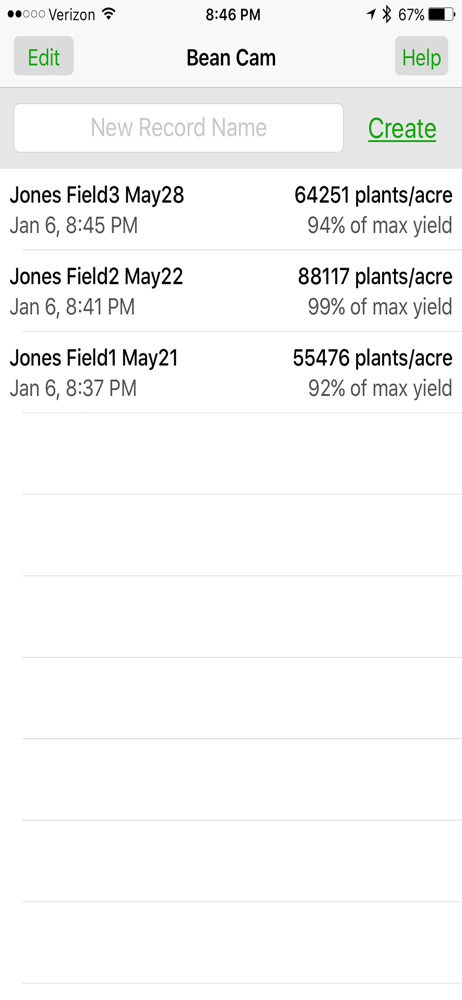
This has both a camera use counter and a calculator to do traditional counting. It worked on low stand counts, saving time because only counted by hand one of the five samples needed per field. It also had helpful replant and yield percentage numbers for a gps location in WI.
This app is worthless it does not calculate stand any better then a blind man would with no hands. Im counting 130-135k to the acre the traditional way and this things stupid picture is saying i have 90k and wont even calibrate to the number i counted in the area the pic was taken. Plus if i have to take the time to count every time anyhow whats the point of having this and even if it did work it would save me what... 3-5 minuets at most. Blah!!! Hope some Wisc. Grad student didnt have this as a project. If so they should be picking up road kill off the side of the road. Anyways theres my two cents worth. Hope it helps you out in growing soybeans the Wisconsin way.
This app will calculate plant stand (plant population) by averaging five plant count samples randomly taken within a soybean field at the VC, V1 or V2...