
Check the acquisition promise
Read the store headline, screenshots and description. What problem is the app promising to solve?
Study the storefront ↗
Campaign Against Living Miserably (CALM) · iOS
Explore the ad evidence, study the storefront, and build your next acquisition hypothesis.
01 / Creative research
Read the store headline, screenshots and description. What problem is the app promising to solve?
Study the storefront ↗Explore apps with direct store-link matches. Compare their hooks and formats without assuming the same approach works here.
Browse observed advertisers ↗Store rankings and revenue estimates describe market context. They do not establish ad spend, conversions or ROAS.
Review the market context ↗02 / Storefront & product
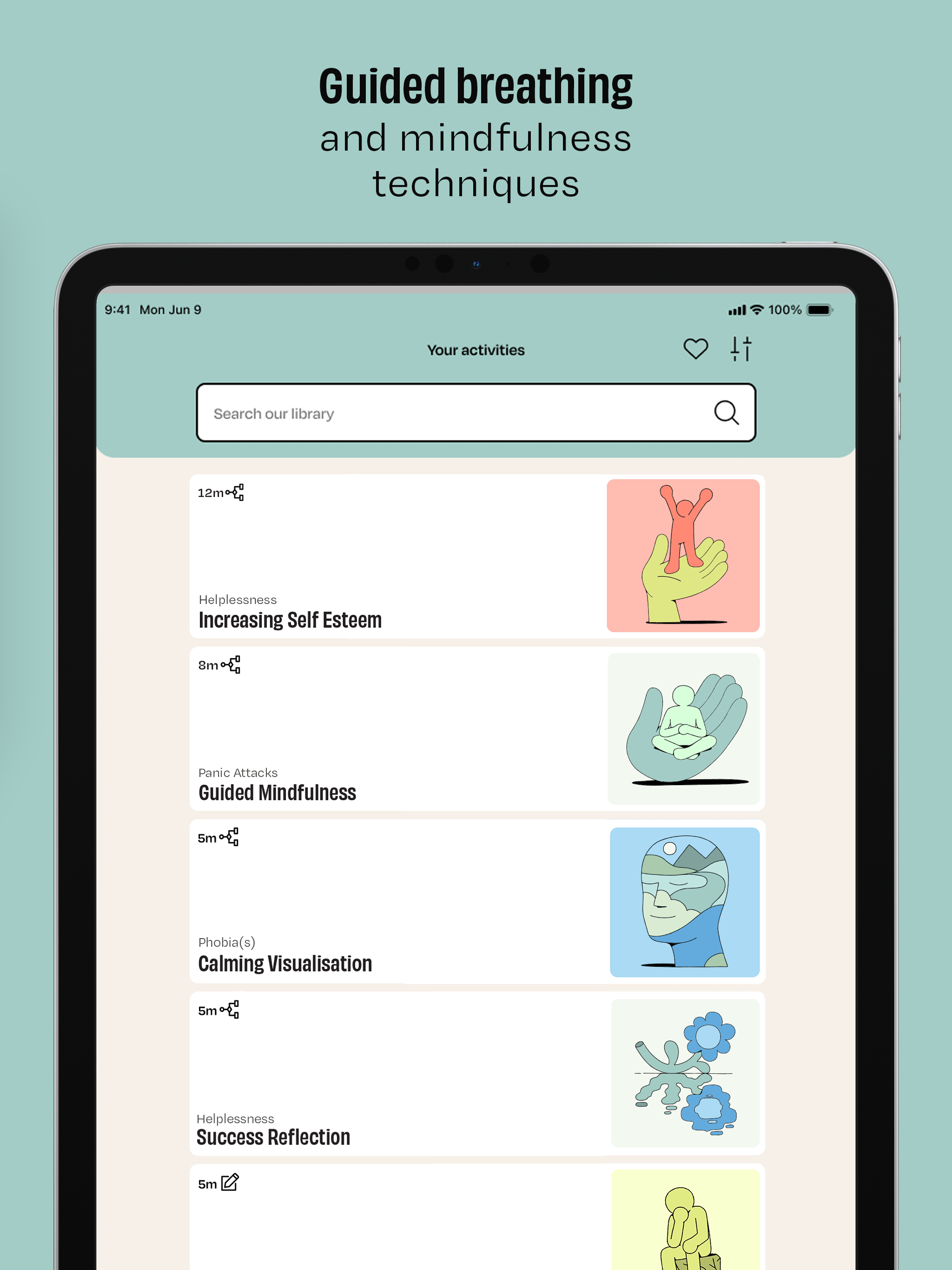
Study the product story and store experience behind the acquisition funnel.


03 / Market context
Keep revenue, downloads and store rankings separate from advertising performance.
I know they’re numerous mental health apps out there but this is my favorite by far. First, I like that the content on the app has been created by doctors and mental health professionals which makes me more confident using it. Another bonus is it’s free. I used to pay $50 annually for an app. Also, it’s easy to navigate and uses STT so when I’m in the journaling area I can speak rather then type out the entry. TBH, I would rather not type and probably wouldn’t journal if the app didn’t have this feature. I’d also say the Activities section has a lot of content and definitely helps me to relax and deal appropriately with situations that arise. Definitely worth downloading!
While installing this app, I was concerned when it seemed that I was giving consent about something like data retention with no option to opt out at that moment. It said I could change preferences later in settings. I couldn't find any way to do that in the settings though. So I read the Privacy Policy to find out you have to contact them separately to opt out of their data collection for marketing and advertising. One example--They say "We may receive personal data about you from various third parties and public sources as set out below:" Sources include analytics providers and advertising networks. Websites do this all day long but I feel like a mental health app doesn't need to do this. So my long-winded take is that I feel like they should tell you up front that they are going to profile you from third-party sources and also use this information to show you ads. It also should be easier to opt out. But I'm not going to ding the app on stars. It seems like a good app. And they are seemingly honest in their privacy policy. It's too bad though that I am needing to read privacy policies.
I recently thought to myself, wouldn’t it be awesome if there were apps that reach millions of people to provide mental health care that can be inaccessible or inconvenient for many people? Watching the mental health of my family and friends declining into stagnation during the quarantine and unable to access mental health care myself without insurance coverage in my state, MindEase has really helped me to stay afloat. It is an ingenious tool that will greatly benefit so many.
CALMzone is our free app designed to help you deal with anxiety and look after your head. CALMzone gives you practical tools to improve your mood an...


